
The euro has formed the financial foundation of Europe since 1999, but its real value is shrinking dramatically. Today, the euro is worth only about 57 percent of its original value. Inflation, expensive food, and rising energy costs are putting families under considerable pressure. This decline in purchasing power stems directly from these developments. The common currency is thus experiencing a significant loss of intrinsic value.
The Growing Burden of Everyday Expenses
A look at long-term price data reveals the extent of this trend. Inflation is driving up key prices, and the rate of inflation now affects all areas of life. Food prices, in particular, are rising sharply, and energy prices are reaching new record highs – especially for electricity, gas, heating oil, and fuels. As a result, the value of money continues to decline, forcing many households to reorganize their finances.
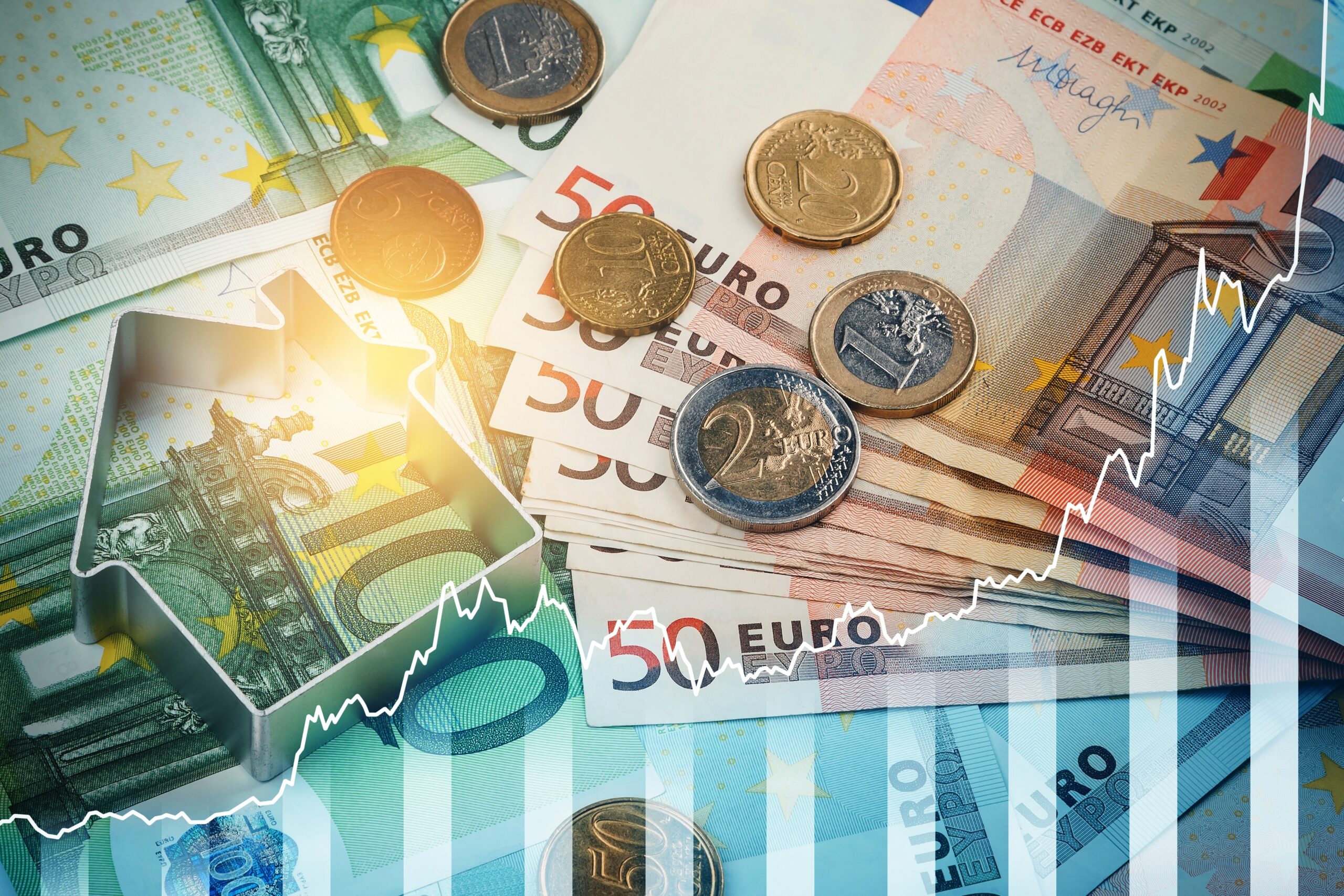
Fresh produce like fruit, meat, and milk is particularly expensive. Many of these food items have reached almost double their previous price levels, as demand remains unchanged. This significantly reduces purchasing power, putting additional strain on everyday finances.
The Power of Price Shocks
The years 2022 and 2023 are shaping a new reality. Soaring price increases dominate the markets, and inflation is creating price levels that remain persistently high. Energy costs are rising sharply, with food prices following suit. At the same time, electricity, heating, and increased transportation costs are driving up bills, leaving households with little financial flexibility.
Such price jumps don’t simply disappear. The effects become entrenched in the long term, as each new price level sets the foundation for future price movements. This further reduces purchasing power, and the euro’s value continues to depreciate. The common currency is thus under sustained pressure.
A Quarter Century with Lasting Consequences
Rents and services are also rising noticeably, but no sector has such a powerful impact as food and energy. These two items account for almost half of the total loss of purchasing power since the introduction of the euro. They affect every household, regardless of lifestyle.
After 26 years, only a remnant of the euro’s original value remains. Purchasing power is steadily shrinking, and the value of money is losing stability. The consequences are felt not in abstract financial models, but in the supermarket, at the gas pump, and on the dinner table. There, the real force of inflation is unavoidably evident. (KOB)