
At the end of March 2026, the EU called on its member states to prepare for potential prolonged disruptions to energy markets. This was triggered by tensions in the Middle East, which primarily threaten the supply of diesel and kerosene. In Brussels, the focus is therefore on cost-cutting measures in the transport sector, while supplies are currently considered secure. If restrictions worsen, motorists, air travelers, freight companies, and businesses would be particularly affected. However, there are currently no concrete EU-wide bans, only appeals, national contingency plans, and preparations for stricter interventions in the event of a crisis. (energy: 31.03.26)
Brussels warns, but doesn’t yet impose driving bans
The debate isn’t about a complete halt to mobility, but rather about taking precautions. The EU Commission is demanding closer coordination among member states because unilateral actions could put additional strain on the market. At the same time, governments should avoid measures that could actually increase fuel consumption.
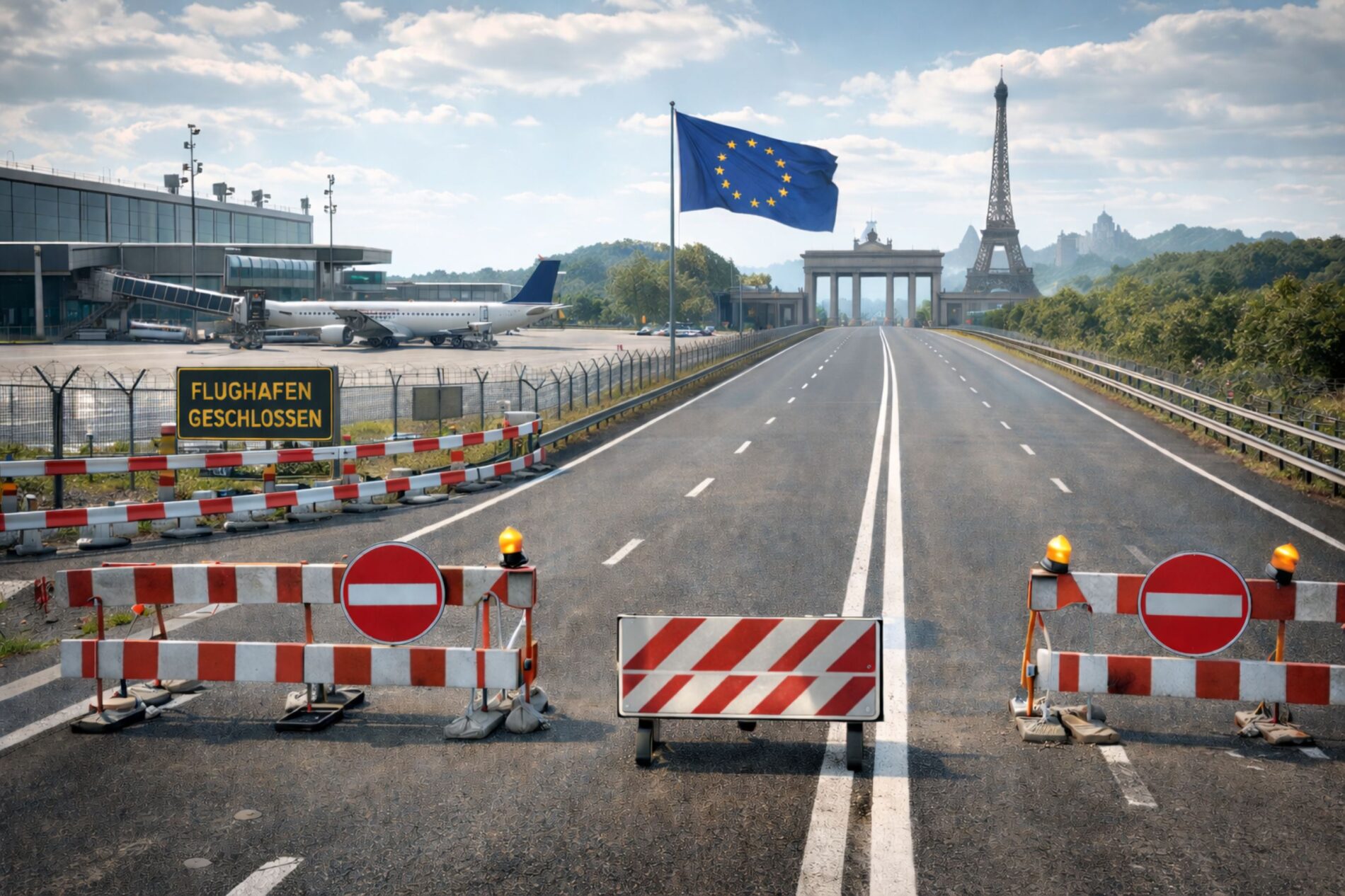
The focus is on short-term savings in the transport sector, where oil consumption is particularly high. Lower speed limits, more working from home, a greater shift to buses and trains, and fewer business trips are therefore being discussed. Replacing short flights with train connections is also playing a role, while private car journeys are receiving more political attention. This shows that the EU wants to reduce consumption before actual supply shortages occur.
The real risk lies with diesel and kerosene
The danger currently concerns refined products more than crude oil itself. Diesel and jet fuel, in particular, are considered critical vulnerabilities because shortages would quickly disrupt daily life. Therefore, the discussion about travel and driving is not coincidental, but rather the direct consequence of a looming shortage of precisely these products.
This would have noticeable consequences for consumers, even if no mandatory measures are yet in place. Rising fuel prices would be very likely, while airline tickets could also become more expensive. Freight companies, commuters, and airlines would be the first to feel the pressure, and supply chains could once again be strained. This would be critical for Germany, because road freight transport and many everyday journeys depend heavily on diesel.
Voluntary measures today, national interventions tomorrow
Brussels is still primarily relying on voluntary savings, but the next stage of escalation is clearly visible. The EU points to existing emergency instruments and strategic oil reserves, which are intended to stabilize the market in a crisis. At the same time, authorities are considering further crisis tools should the situation worsen. These include interventions that have already been discussed or used in previous energy crises.
How real such steps are can be seen in an example from Slovenia. There, fuel sales were temporarily restricted because gas stations were in danger of running out of fuel. This was not an EU directive, but it sent a clear signal of what national governments can do in a crisis. The headline about supposedly radical travel and driving bans is therefore too simplistic. A more accurate description is: The EU is preparing for a serious energy crisis, and traffic could be the first sector to be restricted if the situation escalates. (KOB)