
Plastic flowerpots are not a luxury item, but a functional means of transport. They hold the soil together, protect the roots, and prevent moisture from ending up in the car or home. Nevertheless, the EU wants to ban these flowerpots as single-use packaging. The goal sounds good, but the path to achieving it could create new problems. Precisely because the pots are used so extensively in retail, any change in the system is immediately noticeable, both in terms of price and quality. (bild: 25.01.26)
Packaging Law in the EU Green Deal: Symbolic Politics with Real Side Effects
The EU wants to reduce waste and promote reuse, which is why packaging regulations are being tightened. This affects not only classic disposable items but also plastic plant pots. This regulates an item that is often thrown away but also serves a protective function in retail. Furthermore, a ban doesn’t automatically replace plastic; it simply shifts material flows and costs. If a replacement product breaks more quickly or weighs more, resource consumption increases despite good intentions.
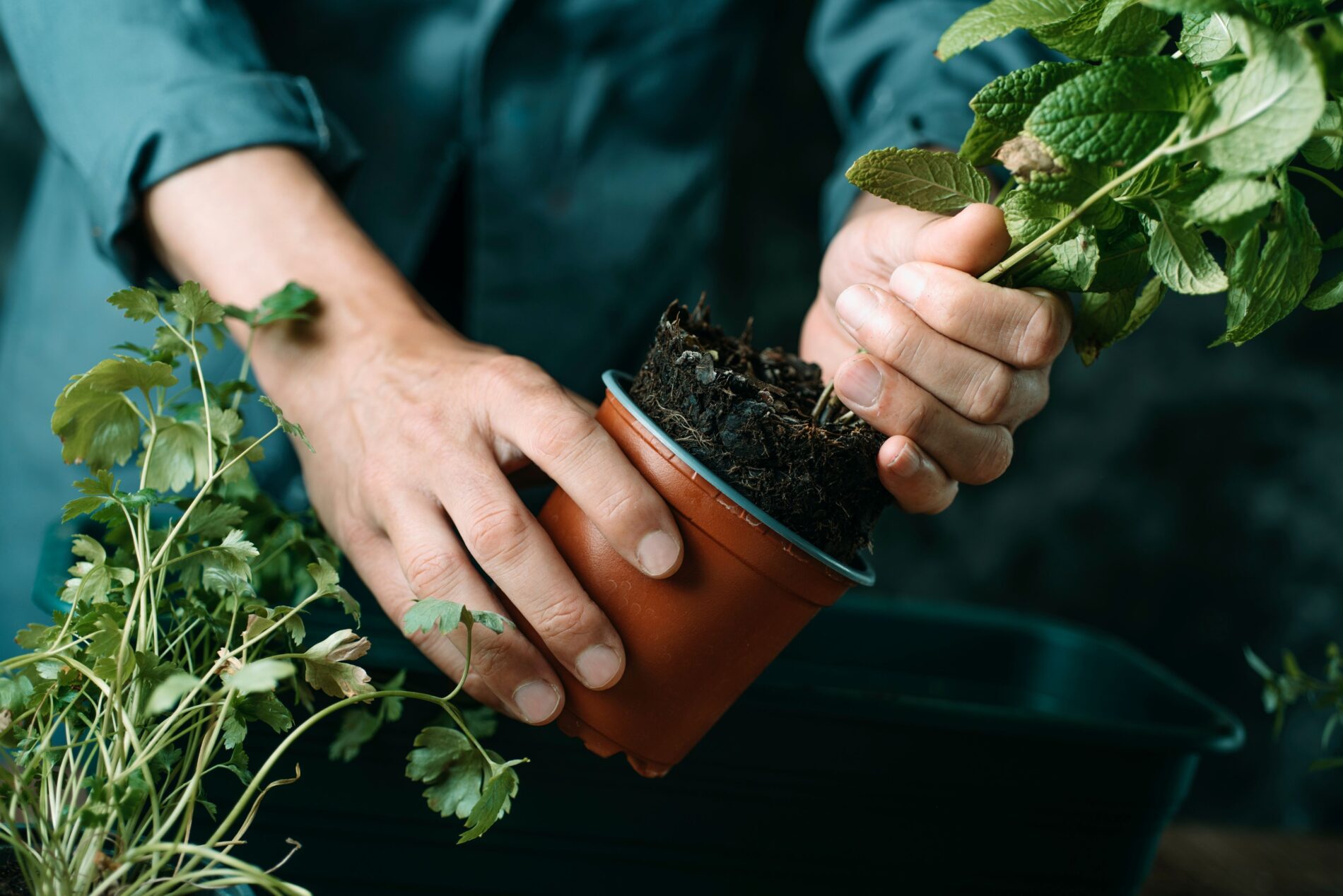
By 2030, more plastic products are to disappear, following the ban on plastic bags. However, the comparison is flawed because a bag usually only serves a carrying function, while a plant pot provides stability and protection from moisture. Therefore, durable alternatives are needed; otherwise, everyday life will be frustrating and lead to additional waste. Consumers often react to such changes by making alternative purchases, for example, by using additional packaging or new transport aids.
The industry warns against an overly broad interpretation and a practical disruption in retail
The Central Horticultural Association (ZVG) criticizes the fact that a previous exemption for robust pots is apparently to be eliminated. Hans Joachim Brinkjan, Deputy Secretary General of the ZVG, speaks of a miscalibration and says: “The Commission’s interpretation is surprisingly broad and does not correspond to the listing of flower pots in the annex of the EU Packaging Regulation.” This puts not only a product at risk, but also the question of legal clarity. If the interpretation and the annexes diverge, businesses are planning on uncertain ground.
There is also a practical point to consider: selling plants is mass logistics under time pressure. Pots need to be standardized for machines, pallets, and transport routes to function smoothly. If every retailer uses different formats or material quality varies, waste and breakage increase. While less plastic is used, more merchandise is damaged. This is neither ecologically nor economically sound.
Alternatives to plastic flowerpots sound appealing, but often fall short due to moisture issues, stability, and cost
Compostable materials are touted as a solution, but the reality is complex. Industrial compostability doesn’t automatically mean that the flowerpots will actually end up in the appropriate recycling stream in everyday use. Furthermore, many materials are more fragile, while potted plants are often wet and sit on shelves for days. If pots become soggy or crack, retailers have to restock, increasing waste and labor costs.
Bioplastics seem like a compromise, but they are considered difficult to compost. This means a simple label change without any real environmental impact, as the material will ultimately be incinerated or sorted out anyway. Cardboard, in turn, is viewed skeptically by environmentalists themselves, as the German Environmental Aid (DUH) calls it “not an ecological alternative and also completely unsuitable for transporting moist plants.” Thus, a seemingly obvious alternative solution fails in its core function: the safe delivery of moist plants.
Reusable Packaging and Clay: Ecologically Sound, but Logistically Risky
Reusable packaging sounds logical because deposit systems can prevent waste. At the same time, reusable packaging requires returns, sorting, cleaning, and storage space, while retailers are already under pressure to provide sufficient space and staff. This creates fixed costs, which ultimately end up being passed on to the customer. Furthermore, reusable packaging only works if return rates are high; otherwise, an expensive parallel system of new purchases and losses is created.
Clay and terracotta are durable but heavy and fragile. This increases transport weight and risk, while at the same time requiring more packaging to prevent breakage. This can worsen the CO₂ balance, even though the material appears more “natural.” Moreover, the price of goods in the discount and supermarket segments increases significantly because low margins prevail there.
What’s missing now: A robust reality check instead of pure prohibition logic
The project could ultimately have the exact opposite effect if alternative materials generate more waste or require additional packaging. Therefore, clear criteria are needed, such as minimum stability, moisture resistance, and standard formats. Furthermore, a transition phase with verifiable pilot projects would be advisable to avoid a rushed change in 2030. Without viable alternatives, the ban will primarily be one thing: expensive, complicated, and ultimately potentially less sustainable than promised.