
In Brussels, the EU’s Climate Change Advisory Board is urging a fundamental transformation of agriculture and food production, because, according to experts, the sector is not reducing its climate impact quickly enough. This call is prompted by a new report from the independent body, chaired by German climate economist Ottmar Edenhofer, which makes it clear that European climate targets are hardly achievable without more significant interventions. Methane emissions from livestock farming and nitrous oxide from fertilizers are particularly critical. At the same time, agriculture itself is suffering from droughts, floods, and new pests. The Advisory Board therefore recommends pricing emissions based on the polluter-pays principle, reducing climate-damaging agricultural subsidies, and promoting a more plant-based diet. Simultaneously, the transformation should be socially cushioned to ensure that farmers receive support and that low-income households do not suffer further from higher food prices. (fr: 14.03.26)
Agricultural System Under Scrutiny Due to High Emissions
Food production is one of the largest sources of emissions in Europe. Agriculture, processing, transport, and consumption together account for around one-third of total greenhouse gas emissions in the EU. Emissions from livestock farming are particularly significant, while fertilizers also release considerable amounts of nitrous oxide. Therefore, the report focuses precisely on the areas where the greatest leverage lies.
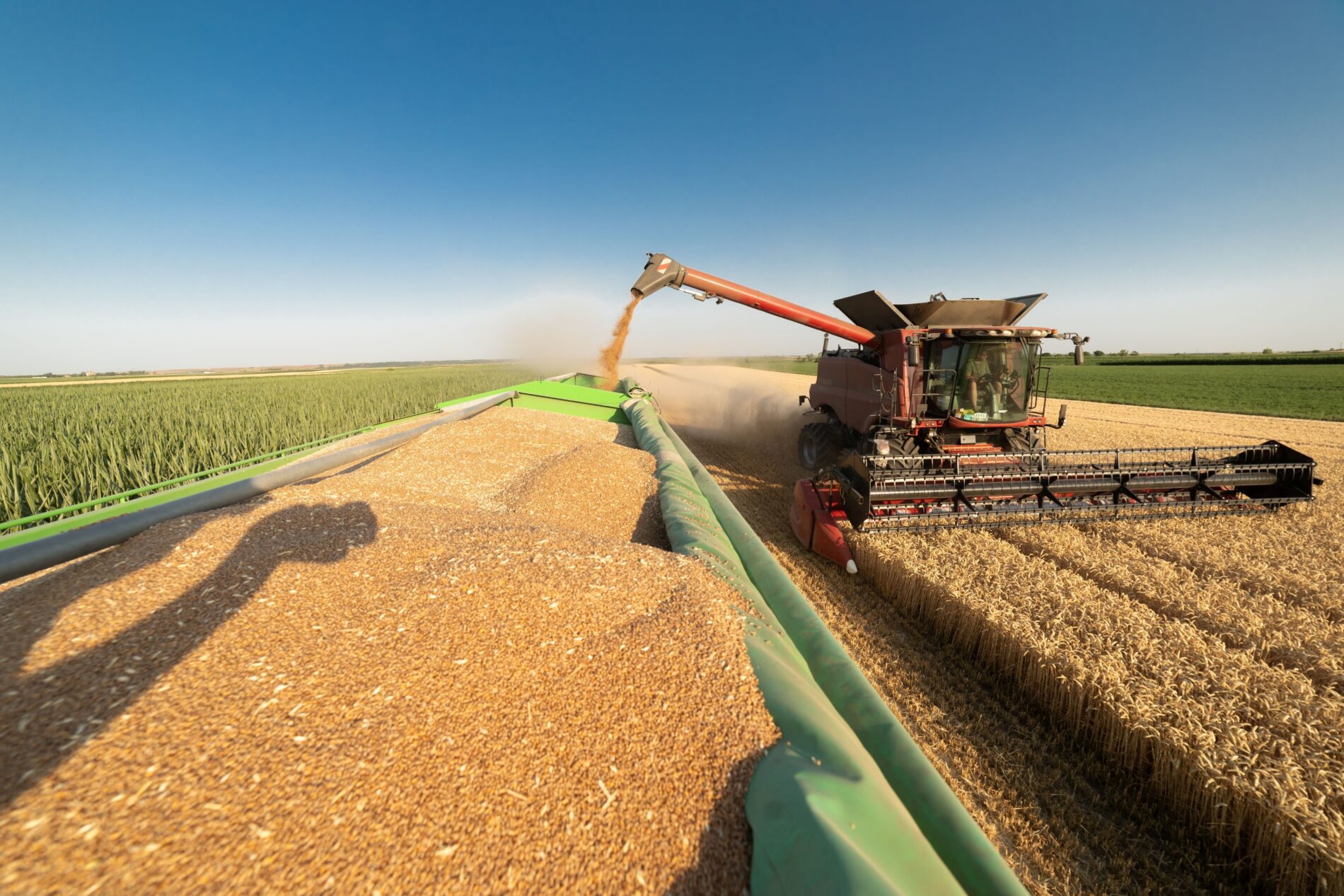
The advisory board demands that agriculture pay more for its climate impacts in the future. Revenues from such a levy could, however, be partially reinvested in farms, for example, for climate-friendly technologies, improved soil protection, or measures to store carbon in soils and forests. Furthermore, the experts recommend aligning the EU’s Common Agricultural Policy more closely with environmental and climate performance and reducing subsidies that are harmful to the climate. This would significantly shift the current logic of agricultural policy.
Less red meat consumption should noticeably reduce emissions in agriculture
The proposals focus not only on production but also on consumption. The climate advisory board considers a more climate-friendly diet to be a key lever, because red meat and dairy products in particular cause high emissions. Plant-based foods perform significantly better, while cattle farming is especially burdensome due to methane emissions and feed production. Therefore, the experts recommend lower demand for animal products and a more plant-based diet.
Studies support this approach. A study published in the journal Nature Food concluded that eliminating tax breaks for meat products in the EU could significantly reduce food-related emissions. According to the study, this could save around 30 million tons of CO2 equivalents per year, which would correspond to about five percent of the emissions from the European food system. This figure also demonstrates that even changes in prices and consumer behavior would have a measurable impact.
Political resistance is likely to slow down the reforms
The advisory board emphasizes, however, that such a transformation would only be sustainable with social safety nets. According to the experts, farmers need financial assistance, advice, and investment programs to enable them to adapt their production methods. Furthermore, the board believes that climate protection must not lead to a significant increase in food prices for poorer households. Therefore, the report links stricter regulations with compensation mechanisms.
Politically, the path ahead will be difficult. Agricultural policy is among the most contentious areas in the EU, while emissions taxes and interventions in dietary habits regularly encounter fierce resistance from farmers’ associations. Edenhofer therefore made it clear that the progress made so far is insufficient. “The sector must do significantly more in the coming years – to contribute to climate neutrality while simultaneously securing farmers’ livelihoods, strengthening rural regions, and ensuring Europe’s food supply in a constantly changing climate,” he said. The upcoming reforms to EU agricultural policy and the debate on climate targets after 2030 could therefore become a pivotal decision for Europe’s food system.