
Poland is pushing ahead with its new nuclear power plant as a key project in its national energy transition, and the EU has approved crucial state funding for it. The European Commission has thus given the green light to a project that strengthens Poland’s position in the European energy market and simultaneously initiates a profound transformation. The Prime Minister spoke of a historic moment because the funding is now being disbursed. Both the Republic and the Brussels authorities are relying on a model that creates long-term planning certainty and brings the construction of a new nuclear plant within reach. (spiegel: 09.12.25)
Financial Assistance as a Strategic Lever
The Polish government is providing approximately 30 percent of the costs, while additional loan guarantees secure the financing. This brings the total to around €42 billion, elevating the project to the top tier of European energy investments. The structure also incorporates contracts for difference (CFDs), as these reduce price risks and stabilize revenues. The funding thus creates a framework that convinces market participants and facilitates technological modernization. At the same time, this move signals the Republic’s intention to significantly reduce its reliance on fossil fuels in the future.
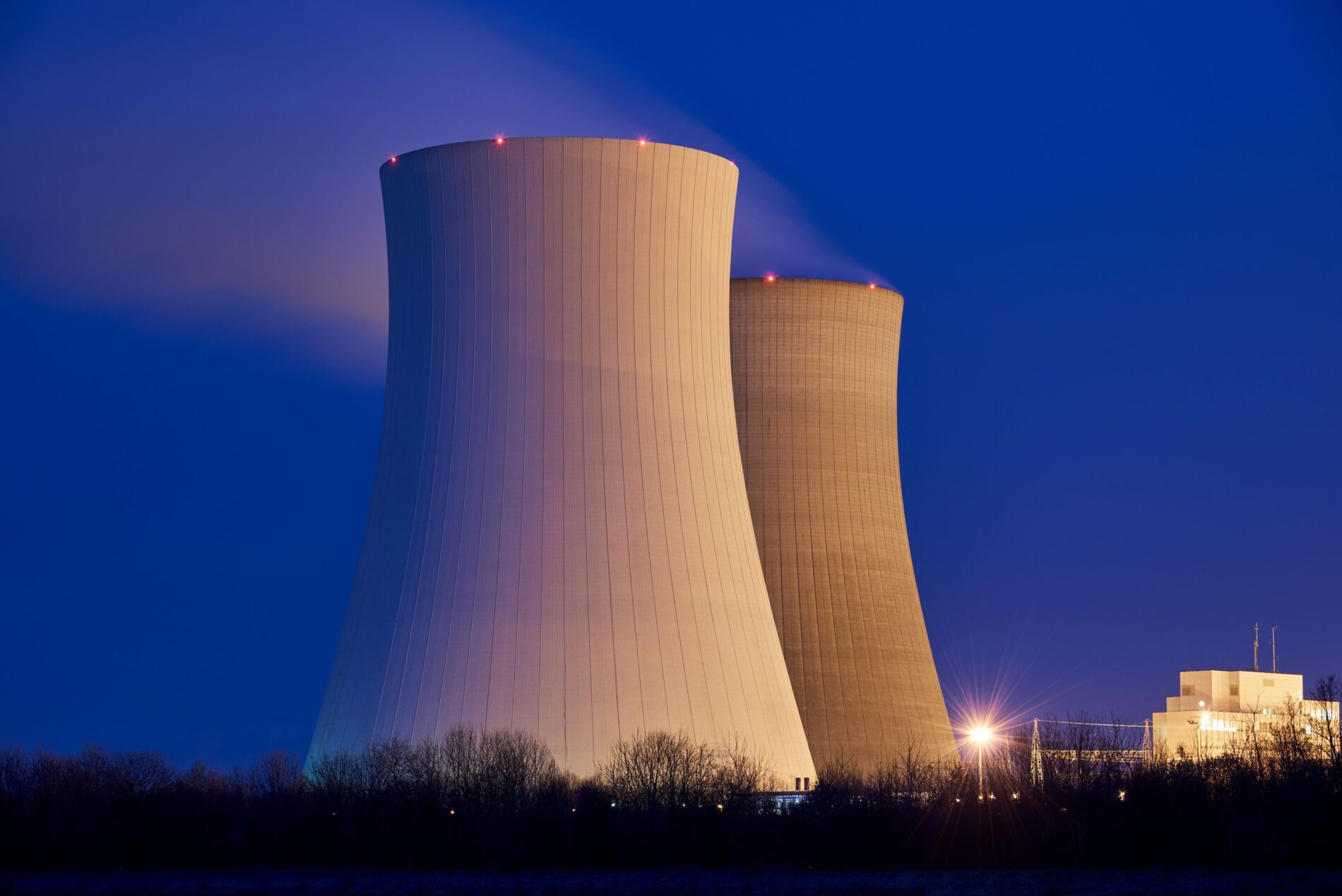
The contract for the technical implementation was awarded to Westinghouse back in 2022. At that time, coal-fired power plants covered almost three-quarters of the country’s electricity demand. This finding demonstrates the profound impact of the energy transition and the growing importance of alternative technologies. The new nuclear power plant is intended to form the long-term foundation of a more robust energy supply.
Location Advantages and a Shift in Policy
The Lubiatowo-Kopalino site, near the Baltic Sea, is considered geologically stable and offers favorable infrastructure. Authorities are planning to begin construction in 2026, despite the enormous logistical challenges. Three reactors with a total capacity of approximately 3,750 megawatts will form the backbone of the project. Commissioning is scheduled for 2033, allowing Poland to rapidly build significant capacity and visibly deepen its transformation in the energy sector.
The coastal location offers advantages in cooling processes and protects against bottlenecks that could occur in inland regions. At the same time, this move demonstrates Poland’s clear energy policy direction, as the neighboring country, unlike Germany, is committed to nuclear power. The Republic sees this approach as a way to cushion fluctuating yields from renewable sources while simultaneously reducing import dependency.
Geopolitical Dimension and New Market Mechanisms
The European Commission emphasizes that its approval of the financial assistance is intended to ensure a level playing field in the internal market. The Brussels authority is thus creating a review process that provides transparency and guidance for investors. This approach strengthens confidence in complex energy projects, even though national interests differ significantly. Poland is using this framework to fundamentally modernize its energy system while simultaneously increasing market stability.
The political, economic, and strategic implications extend far beyond the project itself. The country is shifting the balance in the energy mix, reducing fossil fuel capacity, and establishing a technology that enables long-term security of supply. The combination of financial assistance, subsidies, and political resolve creates a constellation that is redefining Poland’s role in Europe.