
Eterna has filed for insolvency under self-administration at the Passau District Court after a key financing deal fell through. The well-known shirt manufacturer is reacting to an acute liquidity shortfall but intends to continue operations without interruption. The goal is to secure the company’s financial viability, tap into new sources of capital, and stabilize the brand in the long term. (textilwirtschaft: 16.12..25)
Eterna Opts for Self-Administration and Restructuring
The decision to pursue insolvency proceedings under self-administration was deliberate, as Eterna wishes to retain operational control. Management remains in office and manages the restructuring process itself, while the court oversees the proceedings. This structure is designed to enable swift decisions while simultaneously maintaining the trust of business partners.
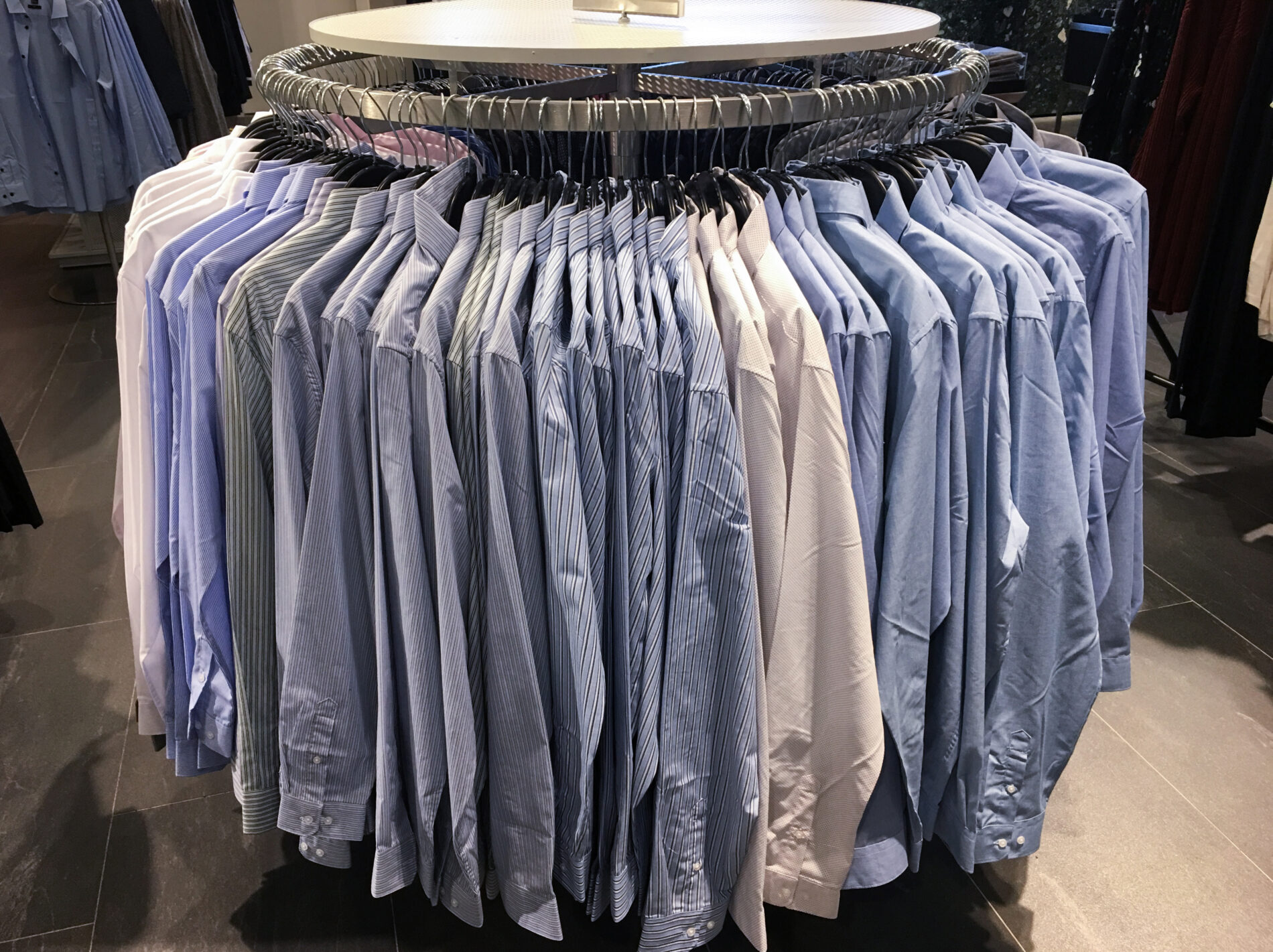
The fashion manufacturer has been a fixture in many offices for decades. Business shirts from Passau are considered a reliable standard for formal attire. More than 400 employees work at the headquarters, and their jobs are to be preserved as part of the restructuring. This is precisely why the restructuring is the focus: it aims to create economic stability without jeopardizing the core business.
Investor interest strengthens the chances of successful restructuring
To support the restructuring, the restructuring expert Georg Bernsau from the law firm K&L Gates LLP has been brought in. He is overseeing discussions with creditors and potential investors. According to him, more than 20 concrete inquiries have already been received. “The interest is enormous,” Bernsau explained, referring to the brand’s appeal.
This investor interest gives Eterna some leeway, as fresh capital can facilitate the implementation of the planned measures. Simultaneously, intensive negotiations are underway with financial creditors, as their approval remains necessary for key steps. The self-administration process consolidates these processes and establishes a clear legal framework.
Real Estate Dispute as the Trigger for the Crisis
The immediate cause of the insolvency filing was a dispute over the company’s headquarters in Passau. Some of the financial creditors refused to approve the planned sale of the building with subsequent leaseback. This model was intended to secure short-term liquidity but could not be implemented outside of insolvency proceedings.
This step is now to be implemented as part of the restructuring. In addition, the company plans to completely outsource its logistics. This measure is intended to reduce costs and simplify internal processes, while management focuses more on product development and sales.
Eterna Between Tradition and Market Change
Eterna is one of the few remaining names in the classic German textile industry. While numerous competitors have changed or abandoned their business models, the company has remained true to the apparel segment. This continuity strengthened the brand identity but also increased its dependence on a challenging market environment.
The apparel industry is suffering from changing demand and rising costs. Nevertheless, formal business attire remains relevant, especially in the high-end segment. This is precisely where the company sees its opportunity, provided the restructuring is successful and the cost base is sustainably adjusted.
Previous Restructuring and Long Company History
Back in 2021, the shirt manufacturer used a court-supervised restructuring tool to avoid insolvency. The realignment at that time provided short-term relief but could not permanently resolve the structural problems. The current self-administration process is therefore intended to continue and allow for more fundamental adjustments.
The company was founded in Vienna in 1863. Its current location in Passau has existed since 1927. The fashion manufacturer became known, among other things, for its non-iron cotton shirt, which was introduced in the 1980s and remains a core product to this day.
Decision about the Future Draws Near
The coming months will determine the brand’s future. Eterna is relying on a sustainable restructuring, reliable investors, and a clear strategic direction. Whether the relaunch succeeds depends on how consistently the self-administration insolvency process is utilized and whether investors and creditors support the chosen path.