
The debate surrounding the costs of the energy transition is intensifying, as the question of what a complete energy supply actually costs increasingly remains unanswered. The example of a medium-sized German city demonstrates that electricity prices, infrastructure costs, and land use are significantly higher than often portrayed. The interplay between wind power, large-scale storage, and security of supply, in particular, has consequences for electricity prices that affect both households and businesses. At the same time, electricity prices for industry are rising, while the need for battery storage requires enormous investments, and the land use for wind power deeply impacts existing landscapes. (gfrei: 15.12.25)
Energy Transition Costs: A Real-World Assessment of a German City
The calculation model is based on a city with approximately 70,000 households and an annual electricity demand of about 237 gigawatt-hours. The goal is to supply electricity entirely without fossil fuel or nuclear power plants, while maintaining stable grid availability. This objective highlights that the costs of the energy transition depend not only on generation but are primarily determined by redundancies and storage. The total expenditures for the energy transition clearly demonstrate the significant financial burden per municipality.
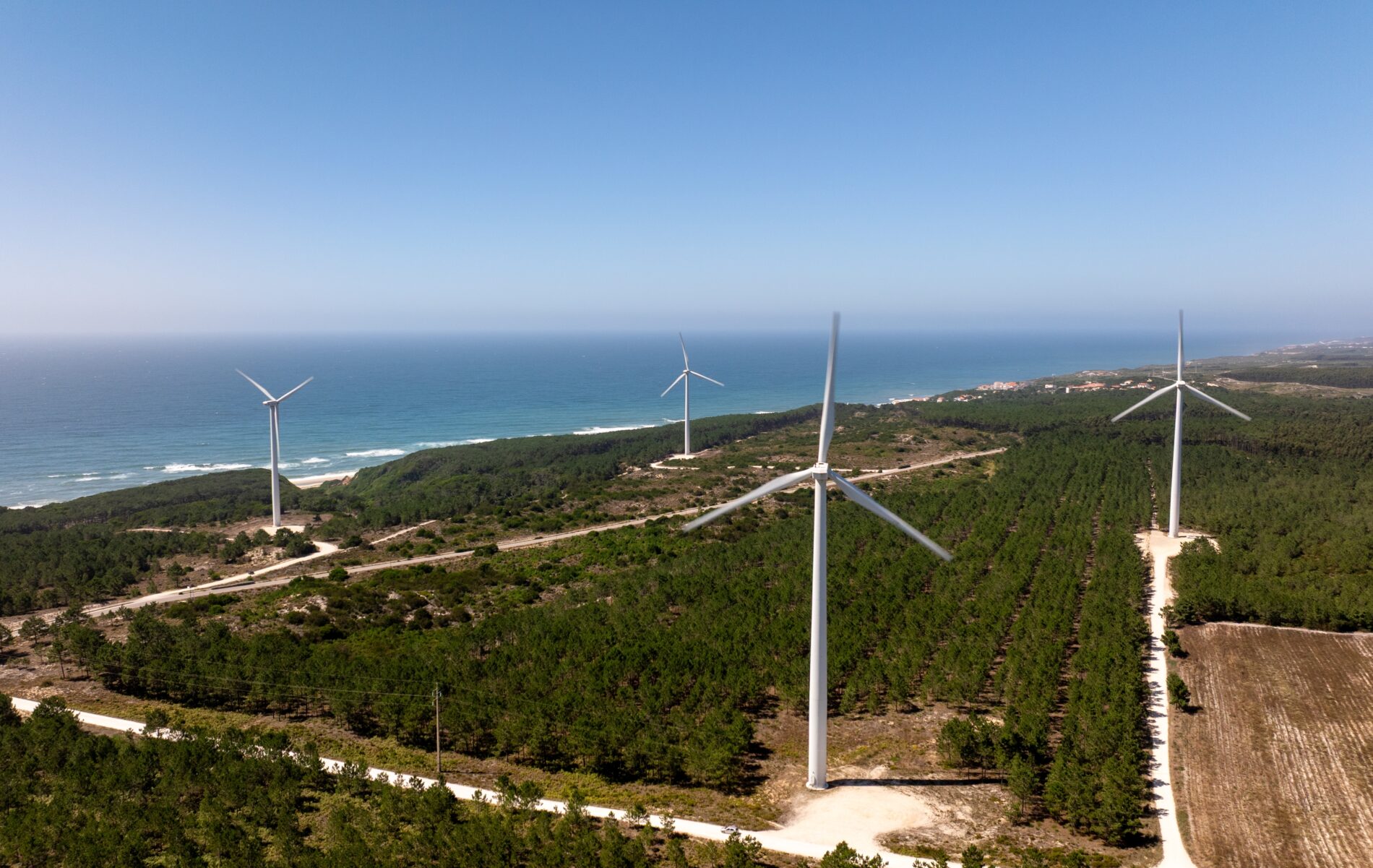
To meet demand, 35 modern wind turbines would be needed. This number is derived from the base load plus a reserve for extended periods of low wind. A large-scale lithium-ion battery storage system with a capacity of 4.6 gigawatt-hours is also planned. This energy system illustrates how significantly the need for battery storage increases as security of supply becomes a priority. At the same time, this increases long-term costs for maintenance, replacement, and financing.
Land Use and Environmental Impacts
An often underestimated aspect is the space requirement. Each wind turbine, including infrastructure, requires approximately 0.12 square kilometers. In total, this results in around 4.2 square kilometers of land being used. The land consumption thus corresponds to several hundred hectares, which, depending on the location, are lost to agriculture or forestry. Particularly in forested areas, this leads to permanent disruption of established ecosystems.
Storage technology also requires space. Large batteries, substations, and safety zones require additional industrial land. This combination of generation and storage not only drives up the costs of the energy transition but also exacerbates conflicts of interest between energy policy, nature conservation, and municipal planning. The ecological cost of the energy transition thus remains substantial.
Billions in Investments and Their Consequences
The financial dimensions are clear. The construction of wind turbines requires investments of over €200 million. However, the majority of these expenditures are for storage. Battery technology alone exceeds the billion-euro mark, as a complete replacement is necessary after approximately ten years. This cost structure illustrates why the costs of the energy transition will increase in the long term, even when the technology is considered established.
Over a period of 20 years, total expenditures amount to around €1.43 billion. These investments directly impact electricity prices. The resulting consequences for electricity prices affect not only private households but, above all, the manufacturing sector. Persistently high industrial electricity prices jeopardize the competitiveness of entire industries.
Electricity Prices and Economic Burden
The investments result in electricity generation costs of more than 55 cents per kilowatt-hour. After taxes and grid fees, the end-customer price is around 97 cents. This development clearly demonstrates how electricity prices impact the consequences of the energy transition in everyday life. For many households, this means a massive additional burden, while businesses can barely maintain their calculations.
Energy-intensive companies, in particular, are under pressure due to the rising industrial electricity prices. In international comparison, locations are becoming less attractive. At the same time, the demand for battery storage remains high, as grid stability is impossible without it. The avalanche of costs thus continues.
Systemic Limits of the Energy Transition
Additional technical hurdles remain. Storage losses of around ten percent require more generation, which further increases the land use required for wind power. Even a broader energy mix would hardly alleviate the situation, as solar power is only available to a limited extent in winter. Furthermore, negative electricity prices during overproduction already cause considerable additional costs.
The city model thus soberly demonstrates that the costs of the energy transition are not merely a technical issue, but a structural problem. The total expenditures of the transformation often far exceed what is publicly communicated. An honest assessment of the energy transition therefore remains essential.