
Germany’s energy transition is reaching a turning point where excuses are no longer valid. Either the ideological status quo continues, with rising electricity prices, increasing pressure on industry, and a declining attractiveness of Germany as a business location, or policymakers recognize their mistake and fundamentally change course. High energy costs are burdening businesses and private households alike. The transformation of the energy supply is hitting the manufacturing sector hard. A desperately needed course correction will determine Germany’s competitiveness, its industrial future, and its economic viability.
Turning Point Between Ideology and Economic Reality
Electricity prices have been rising for years, despite promises of low costs from proponents of the energy transition. The reason is obvious. An industrialized nation needs electricity at all times, while wind and solar power fluctuate. Therefore, the system requires reserve power plants, grid expansion, storage facilities, and expensive energy imports. These dual structures place a constant burden on the economy. Industry pays the price because competitors abroad produce more cheaply. This turning point reveals the gap between political ambition and technical reality.
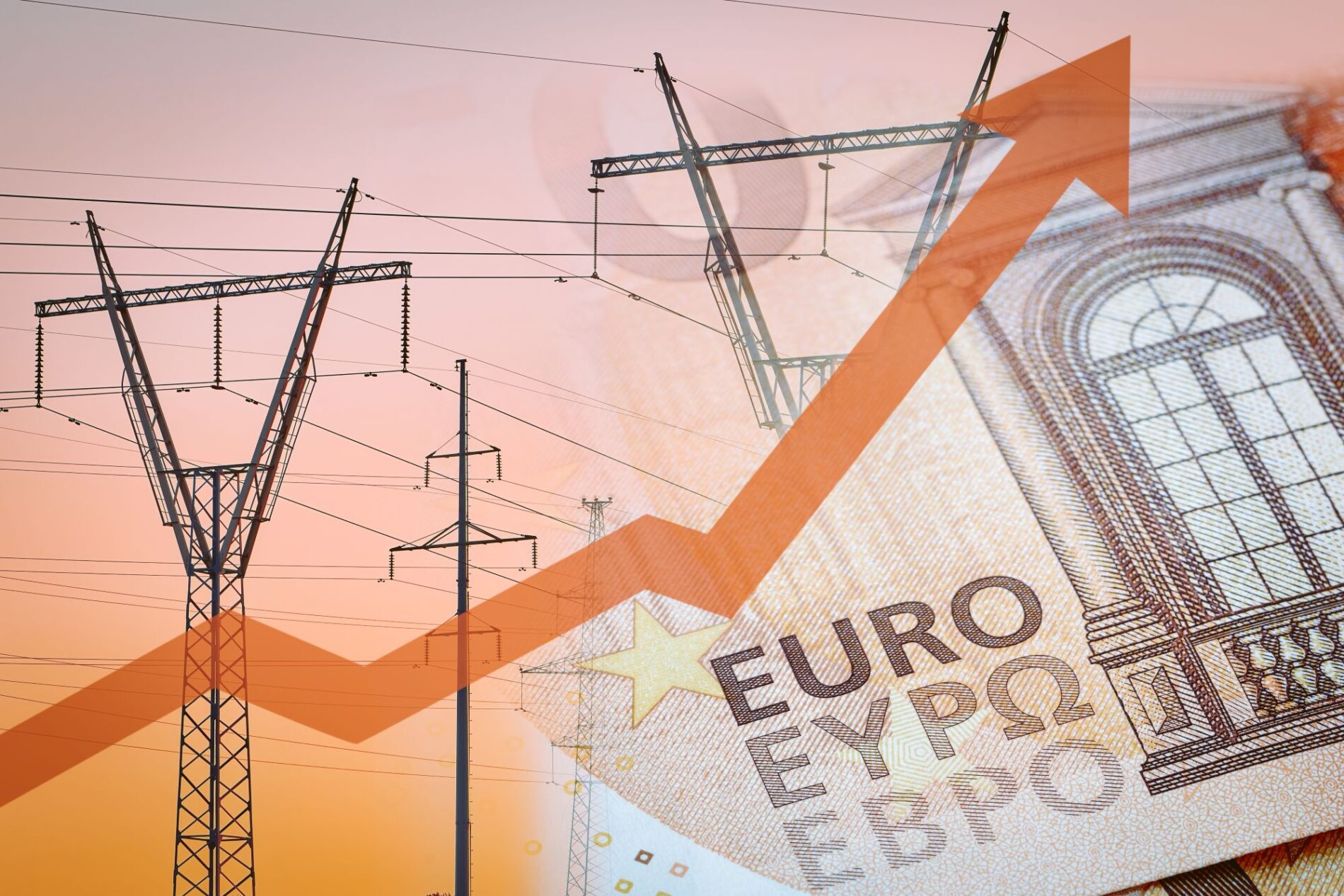
A look at Great Britain confirms this trend. There, too, policymakers relied on subsidies and guaranteed feed-in tariffs. Despite retaining nuclear power, electricity prices rose more sharply than in Germany. The manufacturing sector lost substance, while official bodies disclosed the costs. Such transparency is lacking in Germany, even though the EEG subsidy alone consumed around €220 billion by 2023. Further subsidies and grid costs increase the burden on the economy even more.
The energy transition is driving up electricity prices and cost structures.
Estimates already put total expenditures at around €500 billion. This sum illustrates the scale of the transformation. Nevertheless, an honest overall assessment is lacking. Instead, policymakers are focusing on detailed regulations and empty slogans. Electricity prices act as a permanent competitive disadvantage. Companies are calculating long-term, but without planning certainty. The tipping point is approaching because investments are drying up and capital is migrating out. The effects are already impacting the labor market.
The long-term projections appear even more alarming. Studies commissioned by the German Chambers of Industry and Commerce estimate costs of up to €5.4 trillion by 2050. Large portions of these costs are attributable to energy imports, grid infrastructure, and new generation facilities. This scale overwhelms even a robust economy. The economic base is thus losing its financial foundation, while the term “industrial crisis” takes on a more concrete form.
Industry under pressure, economic viability at risk
Industry is already reacting to this development. According to recent surveys, more than half of large companies are considering relocating abroad. High electricity prices are accelerating this exodus because international competitors are producing more cheaply. The manufacturing sector is shrinking gradually, even though it has long been considered the backbone of prosperity. The turning point is particularly evident here, as jobs and value creation are simultaneously at stake.
Internationally, this costly, unique approach has found few imitators. Sweden deliberately combines renewable energy with nuclear power to ensure security of supply and low energy costs. China primarily uses wind and solar power to meet rising demand, not as a replacement for fossil fuels. Global reality follows economic rationality. The upheaval in Germany is increasingly isolating the country as a business location.
Course Correction Instead of Political Self-Assertion
Politicians must finally acknowledge the mistakes made in the energy transition. This turning point demands a fundamental reassessment. Market-based instruments, rather than centrally planned control, appear necessary. A cross-sectoral CO₂ cap, international cooperation, and technological openness offer realistic options. Industry needs reliable framework conditions, not moral appeals, and certainly not ideological directives.
Continuing with the status quo will exacerbate the industrial crisis and permanently weaken Germany’s competitiveness. An honest course correction, on the other hand, opens up room for maneuver. This turning point separates political self-sertion from economic responsibility. Only this realization will secure long-term competitiveness, prosperity, and industrial strength. (KOB)