
“Energy-intensive industries have no future here”: With this warning, ifo Institute head Clemens Fuest describes the situation of key sectors in Germany. Steel and chemicals are particularly affected because these sectors depend on large quantities of affordable energy. According to Fuest, the triggers are political decisions that have exacerbated energy shortages, while restructuring the energy supply takes time. At the same time, there is a lack of new impetus from the private sector, while the war against Iran is further driving up energy prices. Therefore, higher costs, declining investments, and further burdens threaten Germany as a business location. (thepioneer: 13.03.26)
Energy-intensive industries are losing their competitive edge
Fuest directly blames German energy policy for the situation. He says: “We have chosen to be a country where energy is scarce. We all voted for this politically, and now we have to bear the consequences.” He is not describing a short-term price shock, but rather a structural problem for companies with high energy demands.
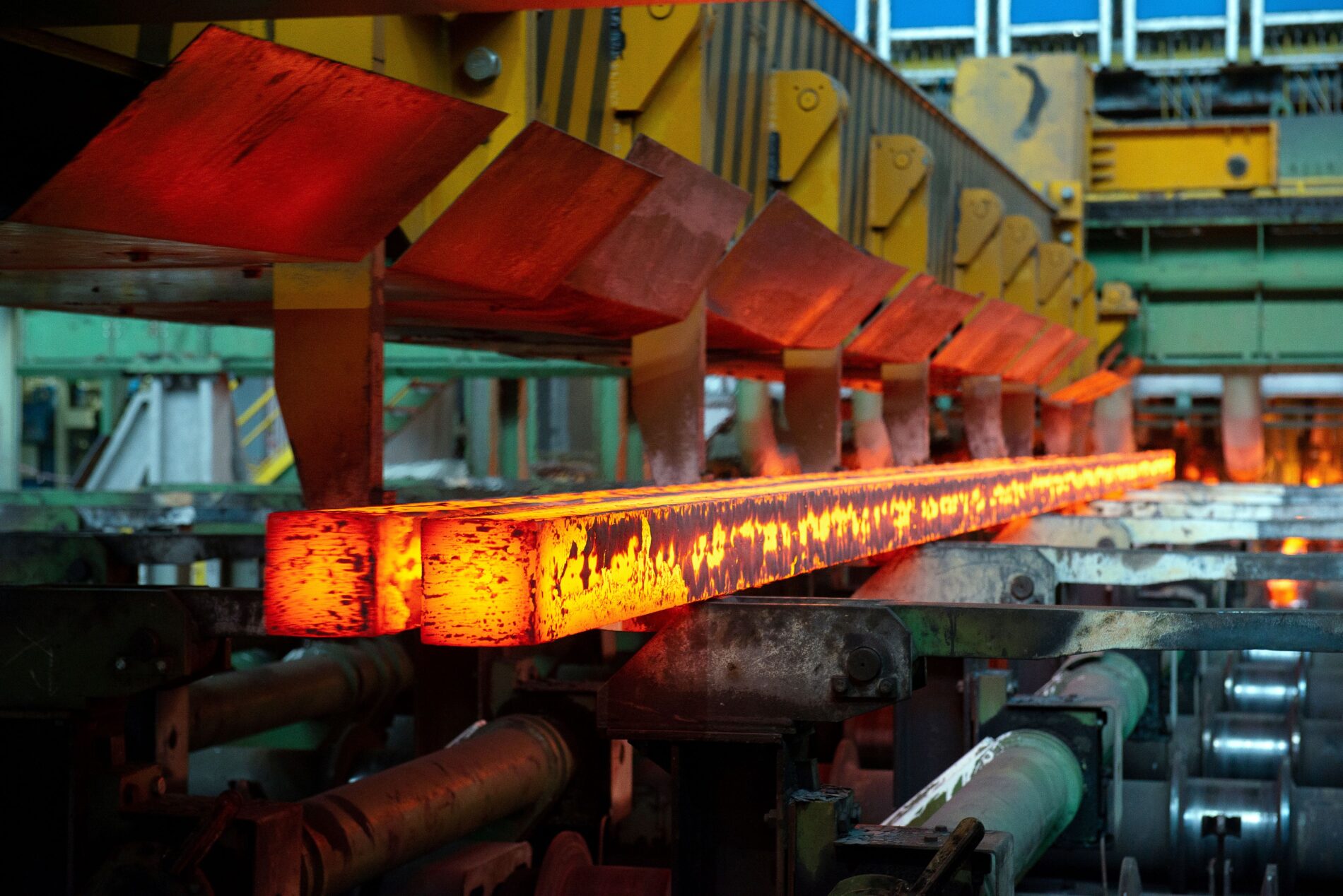
From his perspective, it is particularly critical that nuclear power plants have been shut down while the expansion of renewable energies needs to be reorganized. This is precisely why Fuest does not expect any quick relief for industry. He also does not consider new nuclear power plants a short-term solution, because planning, construction, and financing would take too long. He says, “That would be very, very expensive; it would take forever.”
Private Investment Remains Weak
Fuest also sees no turnaround in the economy, because investments in the private sector continue to decline. According to him, even the last quarter shows no signs of recovery, although the economy urgently needs new growth impetus. Therefore, there is a lack of activity precisely where new production facilities, modernization, and location decisions are needed.
He is therefore cautious in his assessment of the meager growth of 0.8 percent. In his estimation, the increase is primarily due to government spending, while companies continue to wait and see. He says, “We are not seeing an upswing in the private sector.” This is a warning sign, especially for energy-intensive industries, because high energy costs and weak investment reinforce each other.
High energy prices are impacting the entire economy
The war against Iran is adding to the pressure, as it is driving energy costs even higher. This affects not only oil but also many production chains that depend on stable prices. As a result, companies in industry, logistics, and manufacturing are facing increased cost pressures.
Ifo economist Timo Wollmershäuser warns of the consequences for prices and growth. He says, “High energy prices are eating their way through the entire economy.” Many companies are not yet passing on short-term additional costs, but this will change if prices remain high. Then, not only will direct energy costs rise, but also the prices of goods and services overall. This further exacerbates the situation for energy-intensive industries, as they suffer first from the increased costs and then from weaker demand.