
South Korea has restarted the Gori-2 nuclear reactor in Busan after nearly three years of shutdown. The 640-megawatt reactor at the Gori Nuclear Power Plant is one of the country’s oldest facilities, having first gone into operation in 1983. It was shut down in April 2023 after its 40-year operating license expired, prompting operator Korea Hydro & Nuclear Power (KHNP) to conduct extensive safety inspections and upgrades. However, the restart comes amid a severe energy crisis. This is due to the country’s heavy reliance on imports, as the blockade of the Strait of Hormuz following the Israeli-Palestinian conflict has halted crude oil deliveries via this route. This disruption is considered a key risk factor. At the same time, the reactor is expected to help stabilize the power supply and prevent shortages. (koreaherald: 04.04.26)
Regulatory Authority Approves Operation Until 2033
South Korea’s Nuclear Safety Commission (NSSC) has approved the continued operation of Gori-2 until 2033. However, the agency required additional reviews, particularly regarding technical modifications and procedures for handling incidents. KHNP had submitted the application for an extension early on. The operator also submitted a comprehensive safety report and the results of a public survey on radiation exposure.
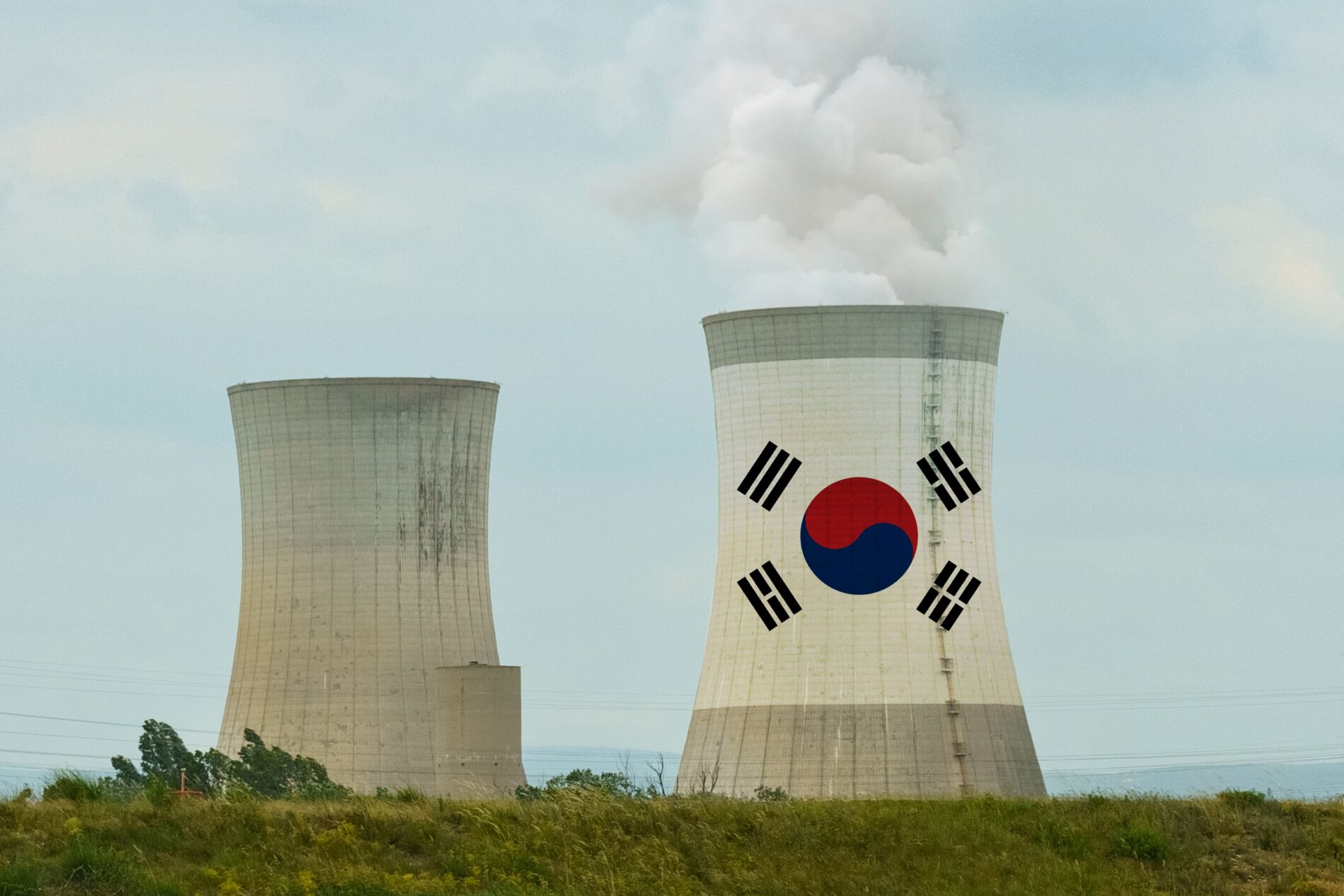
Gori-2 belongs to the early generation of South Korean nuclear power plants. Therefore, aging processes and safety standards are of particular concern. Nevertheless, the decision demonstrates a clear direction in energy policy. The government is once again relying more heavily on existing nuclear power capacity. This provides a continuous supply of electricity and reduces dependence on imports. This advantage is crucial, especially in times of crisis.
Extensions planned for other reactors
KHNP also plans to extend the operating licenses of nine other reactor units. These include Gori 3 and 4, Hanbit 1 and 2, Hanul 1 and 2, and Wolsong 2, 3, and 4. Their operating licenses expire before 2030. The government therefore wants to act early to avoid supply gaps. At the same time, the pressure on the energy system continues to increase.
This strategy strengthens the baseload capacity of the electricity grid. Nuclear power plants provide a constant supply of energy, while renewable sources fluctuate more. Therefore, extending the operating licenses of existing plants is gaining even more importance. The restart of Gori-2 fits perfectly into this strategy. It demonstrates the urgent need for additional capacity.
Energy Crisis Exacerbates Situation
The energy crisis has significantly worsened. President Lee Jae-myung described the situation as a “crisis of near-war proportions.” This assessment underscores the urgency. Since the blockade of the Strait of Hormuz, crucial oil deliveries have ceased. For a resource-poor country like South Korea, this has immediate consequences.
The government is responding with comprehensive measures. Lee called on the National Assembly to pass a supplementary budget of 26.2 trillion won. At the same time, he urged the population to conserve “every drop of fuel.” The Ministry of Commerce also raised the alert level for oil supplies. Against this backdrop, the restart of the Gori-2 reactor takes on added significance. The reactor is intended to help limit the acute supply gap while the country restructures its energy supply.