
The 4680 cell was considered Tesla’s future cell because it was supposed to offer greater range at lower costs, but now that calculation is changing. Tesla is apparently cutting costs on the cathode material, as the Cybertruck doesn’t generate the necessary volume. This directly impacts the Gigafactory and strategically calls Tesla’s battery plan into question. (reuters: 29.12.25)
4680 Cell: Contract Cut Acts Like a Production Shutdown
According to Reuters, a key supplier contract for cathode material shrank from $2.9 billion to $7,000, and this figure is more than just symbolic. Cutting material contracts of this magnitude means that production ramp-ups are no longer being planned; in fact, capacity is being effectively shut down. Tesla presented the cell in 2020 as a way to scale up production, but now reality doesn’t match that narrative.
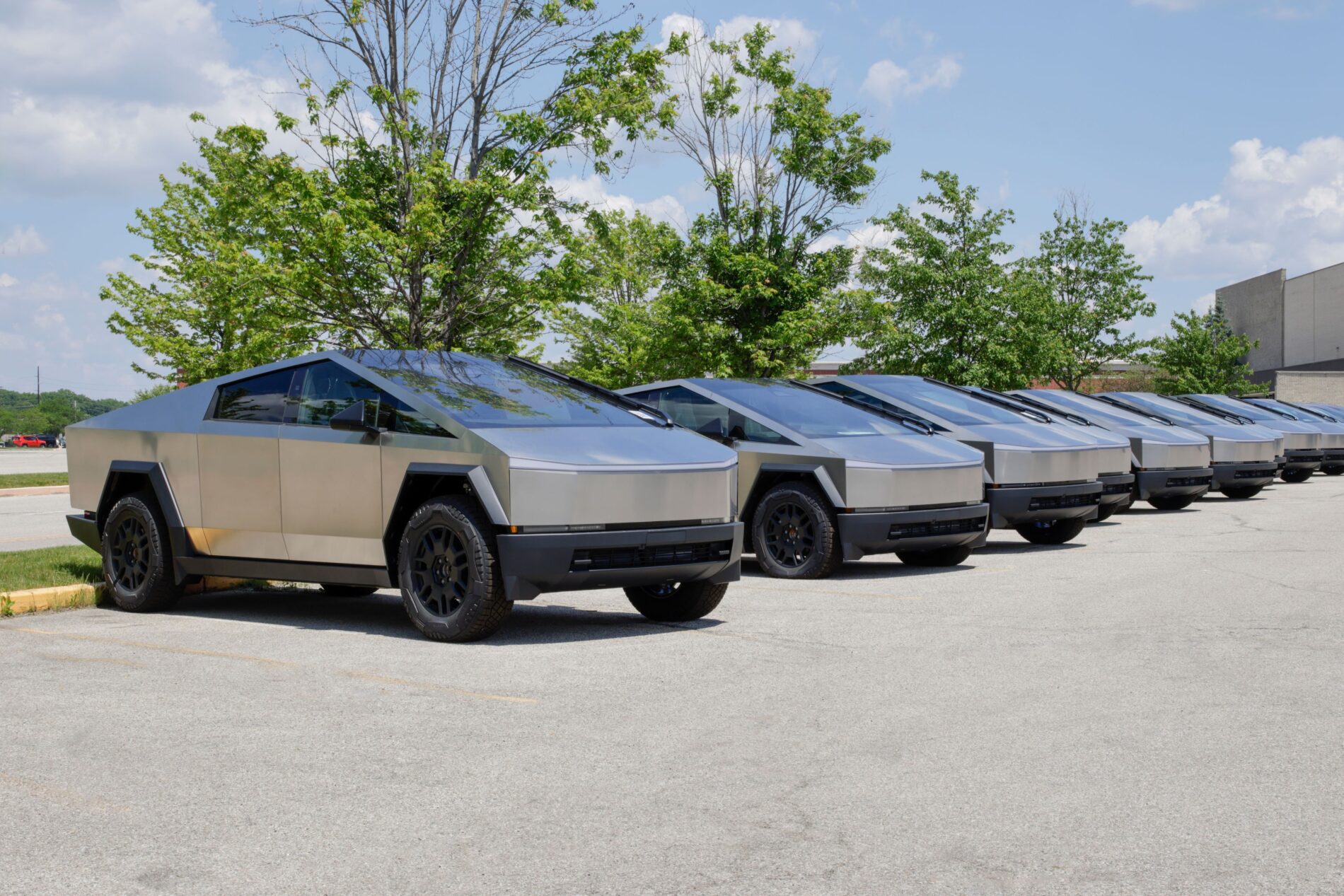
The 4680 cell is also tied to the Cybertruck, and that’s precisely what makes the situation so critical. Tesla linked technology, production, and demand to a single vehicle, even though the cylindrical cell is only supposed to demonstrate its cost advantages at high production volumes. If the Cybertruck doesn’t deliver sufficient volume, the cell remains expensive, and the promised price reduction evaporates.
The Cybertruck remains a niche product, and the Gigafactory loses its capacity utilization logic
Tesla aimed to build up to 250,000 vehicles per year at the Gigafactory in Texas, but sales have fallen significantly short. Around 40,000 units are projected for 2024, and observers expect just 20,000 for 2025. This means the factory lacks the pace to justify investment, and consequently, the battery platform lacks a learning curve.
This becomes a double burden for the Cybertruck, as Tesla now has to reorganize its technological paths. Electrek reports that Tesla has also planned to use the battery for the “Cybercab,” which increases the relevance of the decision. If Tesla cannot establish a stable cell supply at the Gigafactory, the electric pickup will either have to switch to other formats or remain in low production volumes.
Subsidies are slowing the market, and cathode material is becoming a cost driver
In the US, manufacturers are currently calculating more tightly because subsidies are expiring or appearing less reliable, causing business cases to collapse more quickly. Reuters points to a wave of reduced battery contracts, which fits with a market that is no longer paying for every capacity. Tesla is feeling this shift particularly acutely because the company had to set ambitious production volumes for its own cell lines to balance the books.
At the same time, the debate is once again focusing more on raw material costs, as cathode material directly influences the price per kilowatt-hour. If Tesla reduces this to a minimum, it saves cash in the short term, but it costs strategic options. And when funding dwindles, a buffer that could bridge more expensive start-ups disappears.
Battery industry pulls back, and Tesla’s mega-factory strategy loses its luster
According to Reuters, LG Energy Solutions expects significant impacts on its earnings because partners have terminated supply agreements, and SK On has also reportedly ended a project with Ford to establish a US production facility. These signals indicate an industry that is no longer building capacity speculatively, but only when there is clear demand. Tesla is not alone in this, but Tesla had positioned the 4680 cell as its key differentiator.
For the Gigafactory, this means a loss of prestige, as the mega-factory was seen as proof of Tesla’s vertical integration. If the cell doesn’t scale, Tesla will lose its narrative of an affordable entry-level model, and the Cybertruck will also lose its technological anchor. Ultimately, the sobering conclusion is: Tesla announced the future format, but its implementation is failing due to production volumes, costs, and timing.