
Thyssenkrupp is temporarily suspending electric steel production. The relevant plants will be shut down from mid-December. This means electric steel production will be temporarily suspended, even though the material remains indispensable for key industrial applications. According to internal assessments, around 1,200 jobs related to electric steel production are at serious risk. At the same time, cheap imports from Asia are intensifying competition. In addition, high electricity costs compared to other countries represent a structural disadvantage. The production halt is therefore the result of an economic assessment and once again highlights the lack of market protection. (handelsblatt: 11.12.25)
Electric steel at the heart of the decision
The Gelsenkirchen and Isbergues plants will remain closed until the end of the year. This closure is not part of a long-term restructuring plan, but rather a response to an acute economic necessity. Under current conditions, electric steel production is not profitable. Low-priced imports are driving down revenues, while fixed costs remain constant. Therefore, the company is taking decisive action.
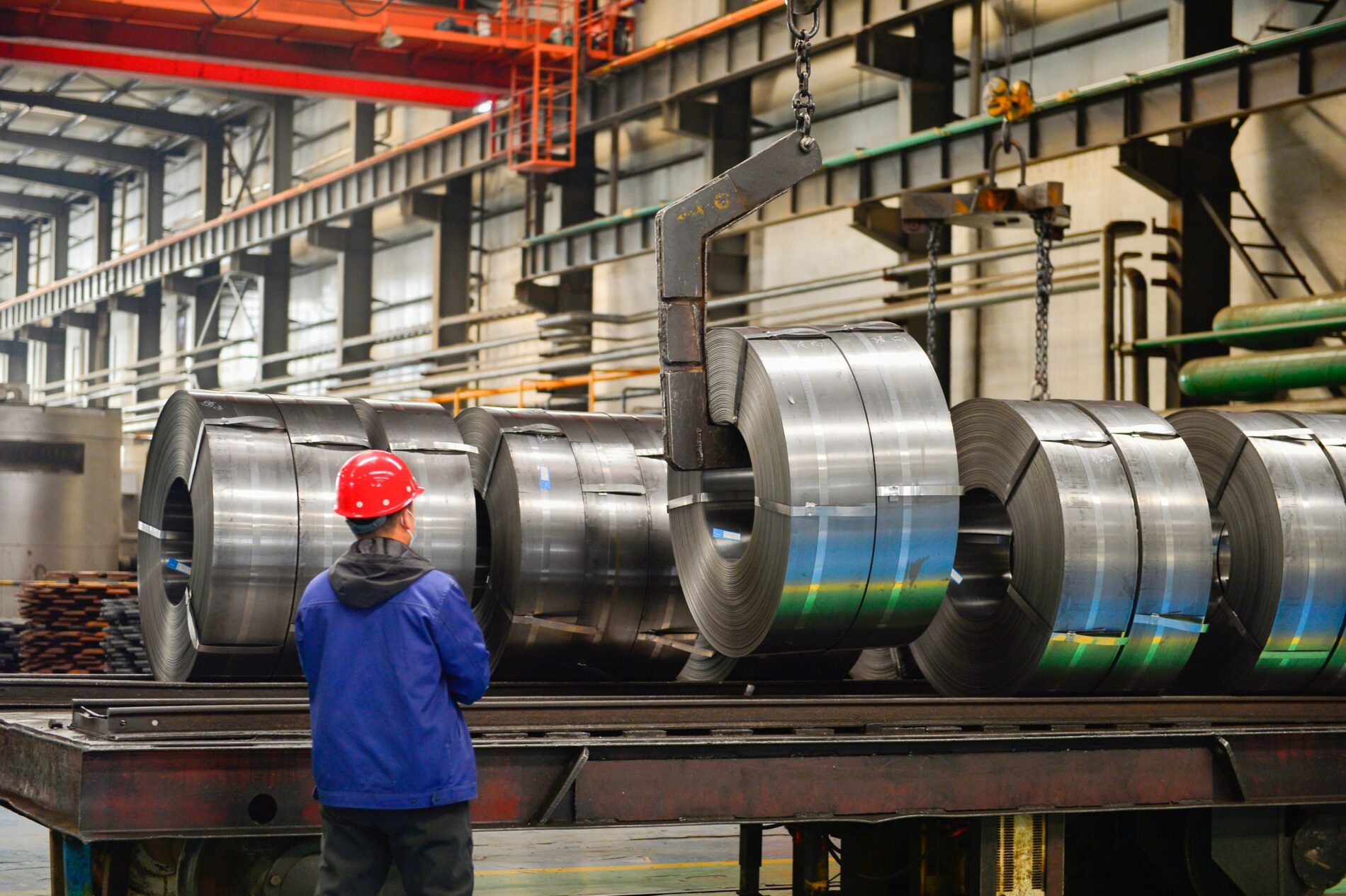
After the turn of the year, the situation remains tense. Isbergues will operate at half capacity for at least four months starting in January. This reduction is intended to limit losses, as the production halt alone will not provide any structural relief. At the same time, high electricity costs are further exacerbating the situation. Energy costs are significantly higher than international levels, which puts additional strain on calculations.
Market Distortion Due to Cheap Imports
Cheap imports are increasingly shaping the current market situation. Large quantities from Asia are meeting an already weak European market. This development is permanently altering the price structure. European suppliers are losing orders, even though quality and technology remain competitive. The production halt is therefore the result of a sober analysis of the competition.
Thyssenkrupp describes a “dramatic change in order volumes and thus a significant underutilization of European production facilities.” Furthermore, the company considers “acute measures to stabilize operations economically” to be essential. This assessment underscores the influence of external factors. Low-priced imports are acting as a key driver.
Electrical Steel as a Strategic Industrial Product
Electrical steel is not one of the classic mass-produced steels. The electrical steel produced is a key component of the energy infrastructure. Transformers, substations, and wind turbines all require this material. There are only two suppliers in Europe, further increasing its strategic importance.
This is precisely why the production halt is so significant. When even a safety-critical material comes under pressure, it reveals structural weaknesses in the market. Electrical steel exemplifies the question of industrial resilience. At the same time, the shutdown underscores the dependence on stable framework conditions.
Electricity Costs as a Structural Disadvantage
Electricity costs represent a persistent burden. European producers pay significantly more than many international competitors. These energy costs have a particularly heavy impact on energy-intensive processes. Electrical steel is one such product. Therefore, its production is becoming less attractive.
The production halt cannot be explained without considering this factor. While low-priced imports reduce sales, high electricity costs exacerbate the cost base. This combination erodes the long-term viability of Europe as a manufacturing location. Simply adjusting to market conditions is therefore insufficient.
Market Protection and Employment
Around 1,200 jobs in Gelsenkirchen and Isbergues are at risk. This number gives the production halt a social dimension. Thyssenkrupp is therefore linking economic arguments with clear demands for market protection. Trade protection is intended to create fair conditions and limit distortions.
Steel division head Marie Jaroni emphasizes the product’s importance for the energy infrastructure. She points to the goal of securing manufacturing in Europe. From the company’s perspective, electric steel requires reliable framework conditions. Without effective market protection, a permanent shutdown is imminent.
A Far-Reaching Political Signal
The production halt serves as a signal to policymakers and EU institutions. It demonstrates how quickly key industrial products can come under pressure. Cheap imports, high electricity costs, and a lack of market protection form a dangerous combination. Electric steel thus stands as a representative example for many energy-intensive industries.
Without corrective action, a gradual loss of industrial expertise is threatened. The current step therefore marks more than a temporary measure. It underscores the need for action if Europe wants to maintain its industrial base.