
The draft bill for the amendment to the Renewable Energy Sources Act (EEG) marks a potential shift in German energy policy: New private photovoltaic systems will no longer receive a fixed feed-in tariff. Their operators will be required to market their electricity directly on the open market. The German government justifies this move with significantly reduced technology costs and the need to gradually phase out subsidies. The central question is whether a now mature technology should be permanently subsidized. From a policy perspective, the key risk lies in continued dependence on subsidies, which could distort market mechanisms. The consequences would be increased competitive pressure for operators, but also a signal that renewable energies should transition to a market-based system without government support.
Government Focuses on Market Maturity Instead of Permanent Subsidies
From the German government’s perspective, the reform follows an economic logic. Photovoltaics are now among the most cost-effective forms of electricity generation, as module and installation prices have fallen significantly over the years. Therefore, the government argues that new installations must increasingly be viable without state-guaranteed subsidies. While the EEG subsidy enabled the market to ramp up, a permanent subsidy regime contradicts the goal of a self-sustaining energy market.
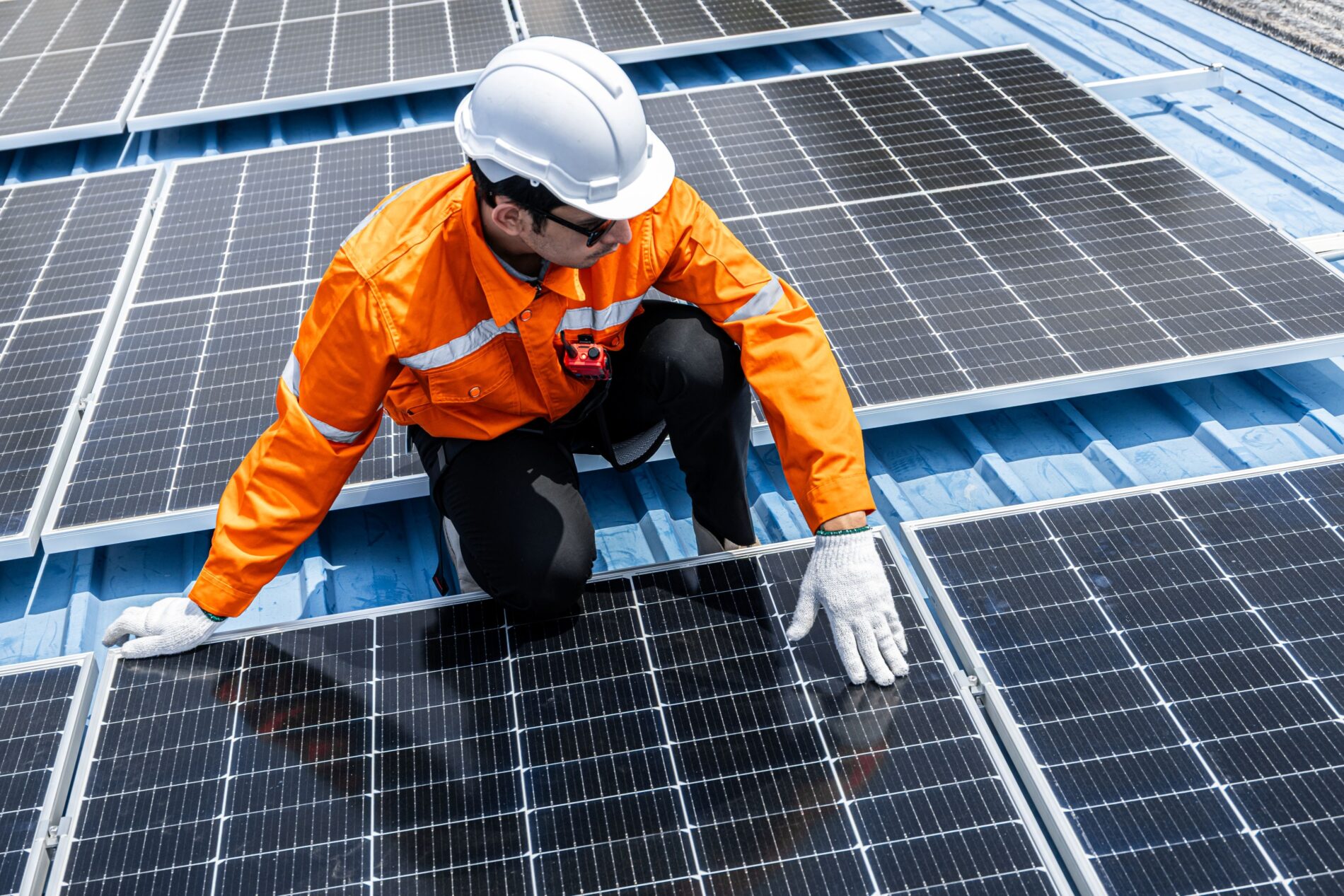
The planned direct marketing of electricity is intended to bring operators closer to real electricity prices. While fixed feed-in tariffs largely shifted risks from the state to the general public, market prices and demand are intended to guide investment decisions in the future. The government also sees this as an important step toward limiting the costs of the energy transition for consumers. Lower subsidy burdens could contribute to more stable financing in the long term.
Industry Criticism Meets Political Realism
The German Solar Association (BSW) nevertheless warns of significant consequences and speaks of a risk to jobs and the expansion of community energy projects. Industry representatives point out that many private operators would lack sufficient planning security without guaranteed compensation. At the same time, the government raises the fundamental question of why a technology that is regularly described as the cheapest source of electricity should continue to depend on subsidies.
This is precisely where the political argument begins. From the perspective of the Ministry of Economic Affairs, the success of a technology should not be permanently secured through government subsidies. Subsidies should facilitate market entry, but not become a permanent business model. Therefore, the government also interprets the current discussion as a test of maturity for the solar industry. Those who claim long-term competitiveness must eventually adapt to market conditions.
Market integration as the next step in the energy transition
The reform also pursues a systemic goal. With the growing share of renewable energies, the demands on grid stability, flexibility, and pricing are increasing. Greater market integration of small-scale installations is intended to create incentives to feed electricity into the grid when it is actually needed. While fixed feed-in tariffs pay regardless of demand, direct marketing reacts to price signals and thus supports a more efficient energy system.
The government also argues that the energy market has fundamentally changed. Storage technologies, intelligent control, and flexible tariffs are gaining in importance, which is why rigid support models are increasingly seen as outdated. Private operators should act more as active market participants in the future, instead of solely receiving feed-in tariffs. This could shift the business model of photovoltaics more towards self-consumption and flexible marketing in the long term.