
Across Germany, dynamic electricity tariffs were more expensive than low-cost fixed-price offers during the first half of 2026, despite targeted load shifting. A model calculation by Verivox for a three-person household with an annual consumption of 4,000 kilowatt-hours puts the cost at 604 euros for six months. In contrast, the cheapest fixed-price plan with a bonus cost 481 euros, while the standard local utility tariff was 787 euros. Thus, the optimized market-linked tariff was 123 euros higher than the cheapest fixed-price option. However, fluctuating market prices and the limited ability to shift household energy consumption to different times are key factors.
Why dynamic electricity tariffs remain more expensive despite shifting consumption
In the baseline scenario involving no change in behavior, Verivox calculated costs of 645 euros. The model then shifted 15 percent of daily consumption away from the evening peak period between 6 p.m. and 10 p.m.; instead, the washing machine, dryer, and dishwasher were operated during the three cheapest hours. As a result, costs fell by 41 euros to 604 euros. However, the fixed-price tariff—excluding any new-customer bonus—was lower still, at 588 euros.
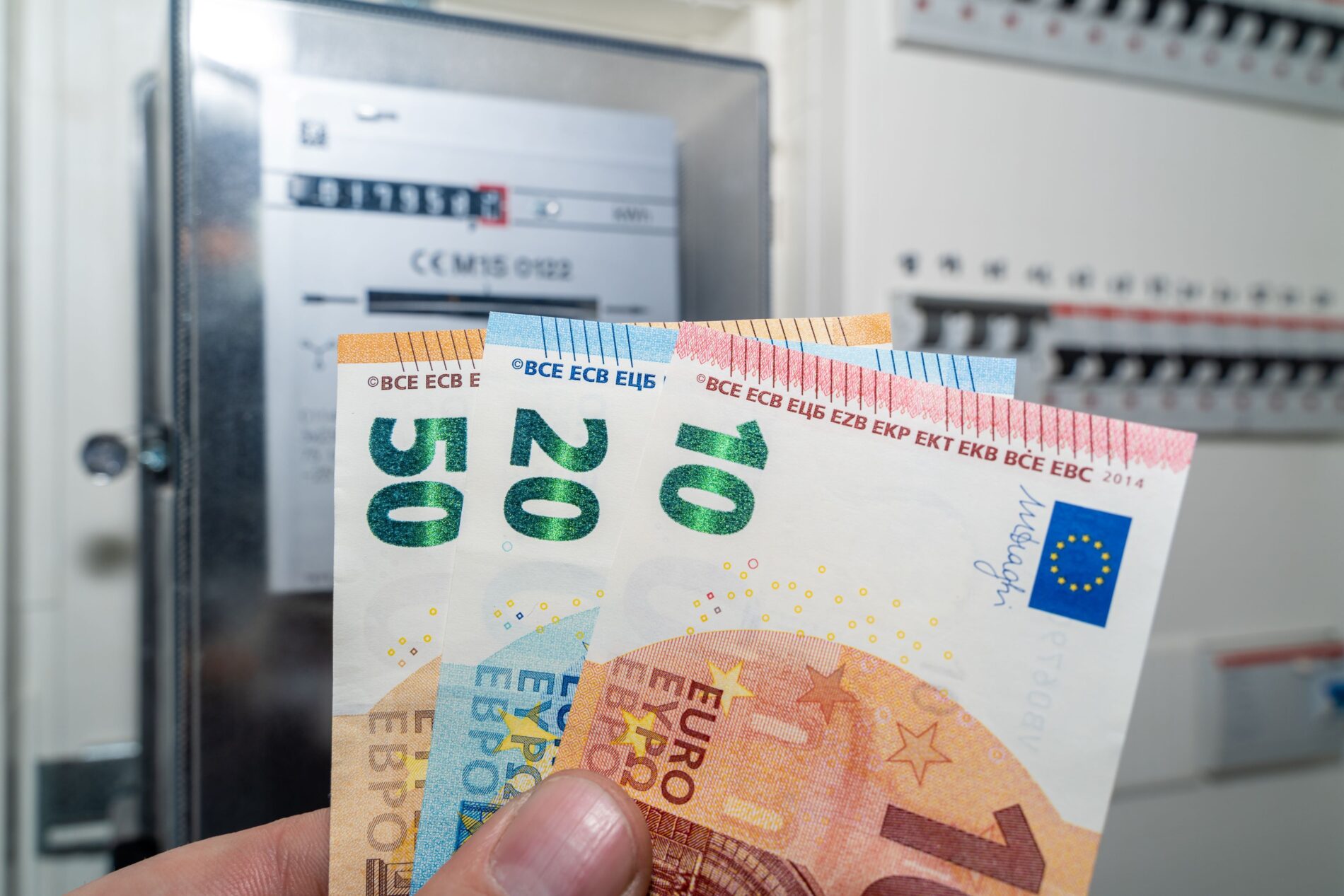
Image: Shutterstock
The calculations therefore demonstrate that dynamic electricity tariffs do not automatically become cheaper simply because of low hourly market prices. The analysis was based on the BDEW standard load profile H25 for a typical three-person household. Verivox also utilized EPEX Spot day-ahead prices and favorable tariff terms from June. A net surcharge of 0.731 cents per kilowatt-hour was applied to the dynamic tariff. Additionally, the analysis factored in a monthly base fee of 5.03 euros.
Electric vehicles make flexible tariffs significantly more competitive
The cost-benefit picture improves for electric vehicles because large amounts of electricity can be deliberately shifted to low-cost nighttime hours. Verivox therefore factored in an additional annual consumption of 2,000 kilowatt-hours for the vehicle. The optimized market-linked tariff cost 821 euros, whereas the standard default supply tariff came to 1,189 euros. However, the cheapest fixed-price tariff with a bonus was even lower, at 726 euros—95 euros less than the dynamic option. The dynamic model only held an advantage over the fixed-price tariff without a bonus, which cost 889 euros.
For electric vehicles, Verivox also factored in a flat-rate grid fee reduction of 75 euros (net) for the first six months. This discount stems from regulations governing controllable consumption devices and is therefore not strictly a tariff-related benefit. Time-variable grid fees could further improve the outcome, though the specific rates depend on the local grid area. Furthermore, the Federal Network Agency requires an intelligent metering system for dynamic electricity contracts; without a smart meter, actual time-dependent consumption cannot be billed accordingly.
Electric vehicles, heat pumps, and electricity storage systems remain particularly attractive options
Since 2025, electricity suppliers have been required to offer dynamic electricity tariffs, while customers need a smart meter to enable the corresponding billing. This model is therefore particularly appealing for use with wallboxes, heat pumps, or battery storage systems, as these allow significant loads to be automatically shifted to hours when electricity is cheaper. In contrast, standard household appliances offer far less scope for shifting consumption. Furthermore, with market-linked tariffs, customers are directly exposed to periods of high prices.
Current market conditions further enhance the cost advantage of attractive fixed-price offers. As of August 13, 2026, Verivox reports rates of around 25 cents per kilowatt-hour for new customers opting for low-cost tariffs with a 12-month price guarantee. By comparison, the average household electricity price stood at approximately 31.4 cents. Consequently, a low market price does not automatically guarantee a low total bill. For households without major controllable loads, a careful comparison with fixed-price tariffs remains crucial.
Author: Blackout News
Sources: Verivox (13.08.26) – Agrarheute (11.08.26) – Stromvermittlung (Stand: 13.08.26)