
Stellantis is bringing back diesel engines to several models in Europe while keeping them available for others. The company says it is realigning its offerings due to strong customer demand. According to Reuters, Stellantis has quietly reactivated diesel variants in at least seven European models since the end of 2025, even though diesel sales accounted for only 7.7 percent of new car sales in Europe that year. At the same time, the manufacturer is responding to the internal strategy shift of the past twelve months, following a reassessment of its previous electric vehicle focus and the recording of losses exceeding €20 billion. The decisive risk factor lies in the uncertain market dynamics, which is why the company is once again focusing more on a broad powertrain portfolio. This increases the range of engine options available to buyers. (reuters: 13.02.26)
Customer demand as justification – these model series will once again offer diesel engines
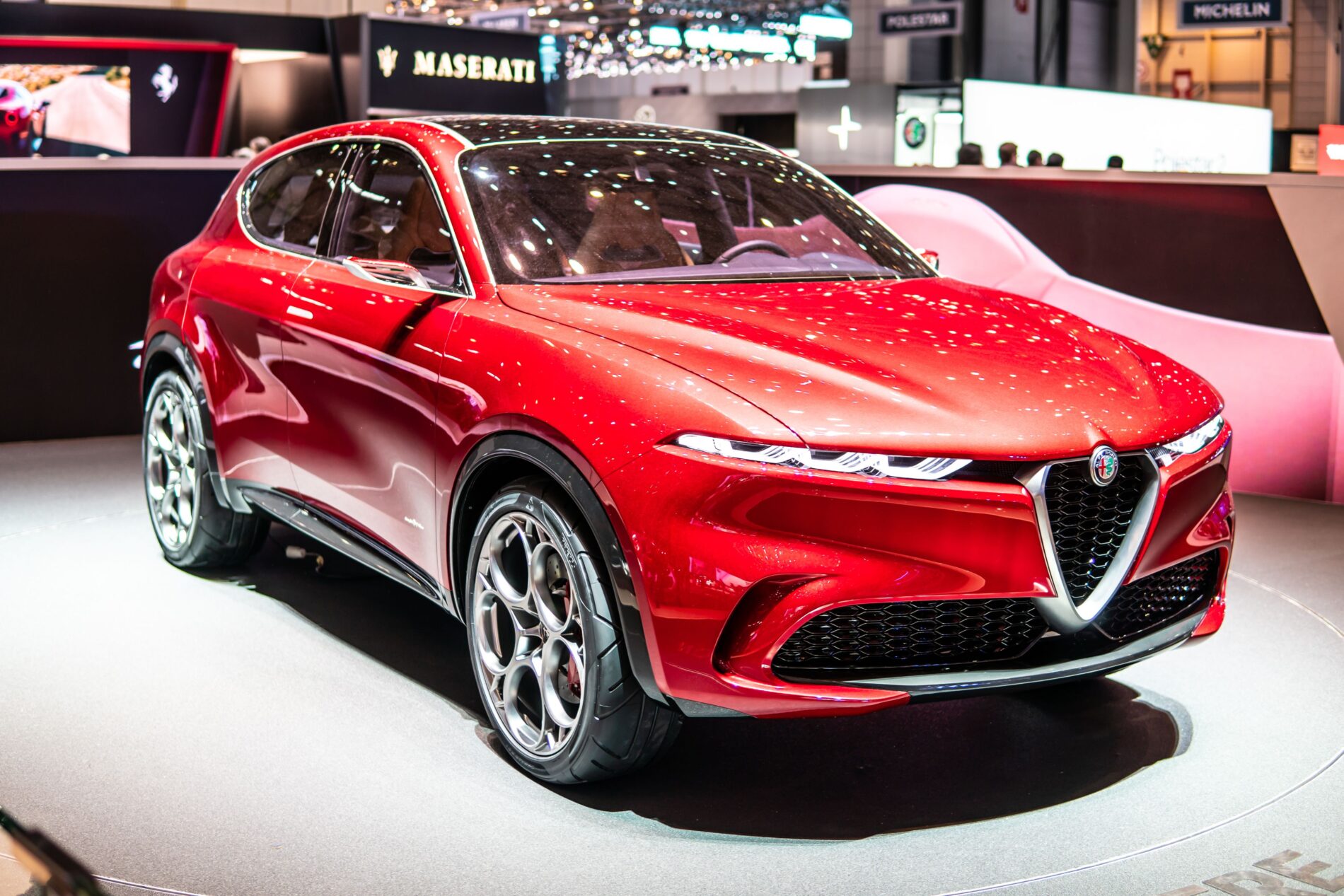
Stellantis told Reuters: “We have decided to retain diesel engines in our product portfolio – and in some cases, to expand our powertrain offerings.” The company thus directly links the decision to market signals and also points to the expansion of individual powertrain options. According to the report, models from Opel, Peugeot, and Citroën will once again be available with diesel engines as an option. Stellantis also emphasizes that it will continue to produce diesel versions of the DS 7, as well as the Alfa Romeo Tonale, Giulia, and Stelvio, “in response to continued customer demand.”
The return to electric vehicles is a pragmatic step because sales of electric cars in Europe continue to fall short of many expectations. The share of battery-electric vehicles was 17.4 percent in 2025. Manufacturers nevertheless need to maintain stable product and capacity planning. This forces companies to offer several drive systems in parallel, which, however, also increases costs and complexity.
Electric Vehicle Quota, Diesel Shares, and Competitive Pressure in the Price Segment
For the Alfa Romeo Tonale, diesel accounts for around 40 percent of sales, and in Italy, it’s even 50 percent. Such figures explain why Stellantis isn’t abandoning the diesel engine entirely, but rather planning to continue using it as a sales driver. At the same time, Chinese manufacturers are increasingly pushing into the European electric vehicle market, especially in price segments where Stellantis also has a strong presence. Stellantis therefore wants to differentiate itself and capture demand more broadly, instead of simply reacting with price reductions.
The decision remains closely tied to market movements, as no one can accurately predict the technology mix of the coming years. Stellantis is therefore spreading the risk across several powertrain types and keeping its diesel options open. However, whether the diesel focus proves successful depends on regulations, energy costs, and model cycles, which can significantly shift the European market.