
Japan plans to restart older coal-fired power plants at full capacity for one year starting in April. The government is responding to the fallout from the war in the Middle East, following US and Israeli attacks on Iran in late February that severely disrupted shipping through the Strait of Hormuz. A large portion of Japan’s oil supply flows through this route, and some of its LNG imports also originate from the region. Tokyo therefore sees a high risk of electricity and fuel shortages. The Ministry of Economy, Trade and Industry will present the plan to its advisory council. Prime Minister Sanae Takaichi announced the measure as a means of stabilizing the energy supply. For industry and consumers, the issue is simultaneously about security of supply, price risks, and the threat of a genuine energy emergency. (asia.nikkei: 26.03.26)
Why Tokyo is turning back to coal in the energy crisis
This move marks a clear departure from previous policy. Older and less efficient power plants had previously been restricted in their operation because Japan wanted to reduce CO2 emissions. This restriction will now be temporarily lifted. The government is thus relying on increased available capacity because the situation on the energy markets has rapidly worsened.
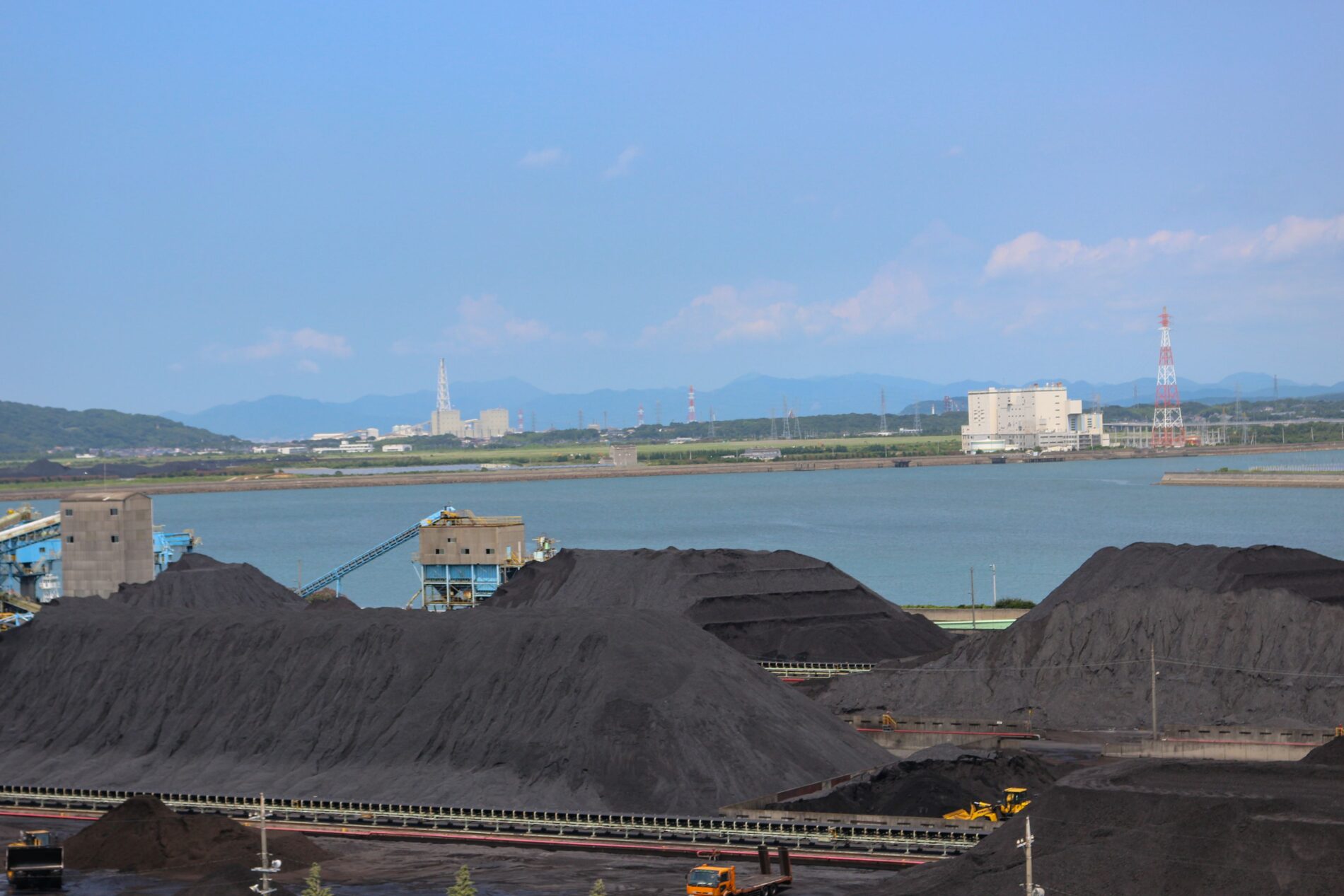
Japan’s electricity system remains heavily dependent on fossil fuels. Around 30 percent of electricity generation comes from LNG, another 30 percent from coal, and just under 10 percent from oil. This means that thermal power plants supply approximately 70 percent of the country’s electricity. At the same time, 90 percent of the crude oil and about 10 percent of the LNG originate in the Middle East. Coal is therefore considered less vulnerable in Tokyo because it comes primarily from Australia, Indonesia, and Canada.
Previous climate targets are taking a back seat
Just last year, Japan had aimed to curb inefficient coal-fired power plants. The government set a target of limiting their capacity utilization to 50 percent. Operators were to replace, decommission, or shut down older plants entirely. This policy is now being temporarily relaxed because, given the current threat of an energy crisis, security of supply takes precedence.
The effect could be considerable. If older units were to operate at the same capacity as modern plants, they could generate enough electricity to replace approximately 530,000 tons of LNG annually. This equates to roughly 13 percent of the four million tons of LNG that Japan imports through the Strait of Hormuz. At the same time, the government has already begun releasing national oil reserves. Its aim is to stabilize the market and limit the risk of further price spikes.
Asia continues to drive demand and prices higher
Japan is not alone in this shift. The Philippines has also declared a national energy emergency and expanded the operation of coal-fired power plants. Similar steps are underway in Thailand, South Korea, and Bangladesh. This is increasing pressure on the fuel market throughout the region.
The price reaction is already visible. The weekly spot price for high-grade coal from the Australian port of Newcastle has already risen to $135 per ton. That is 16 percent higher than before the attack on Iran and is also the highest level since December 2024. Australian commodity analyst Mark Gresswell said that the tight supply via sea routes directly supports prices as power plant operators switch from gas to coal. If the turmoil in the LNG market persists, costs for power producers are likely to rise further.