
Chancellor Merz began 2025 with grand pronouncements, but the CDU quickly became fractured, its poll numbers plummeted, and the SPD dominated political decision-making. The promised reforms failed to materialize, and migration dominated the debates. Merz promised relief that never came, and virtually every campaign promise was broken. After just 10 months in office, Chancellor Merz is considered the political loser of the year.
Chancellor without support in the CDU
In Berlin, party strategists report growing impatience because the Chancellor is barely able to secure majorities within the party. Even loyal members of parliament are speaking of a false start, and one phrase is repeated again and again: “This man is the biggest disappointment.” The CDU/CSU alliance is experiencing firsthand that disillusioned core voters are more likely to defect when the leadership is wavering.
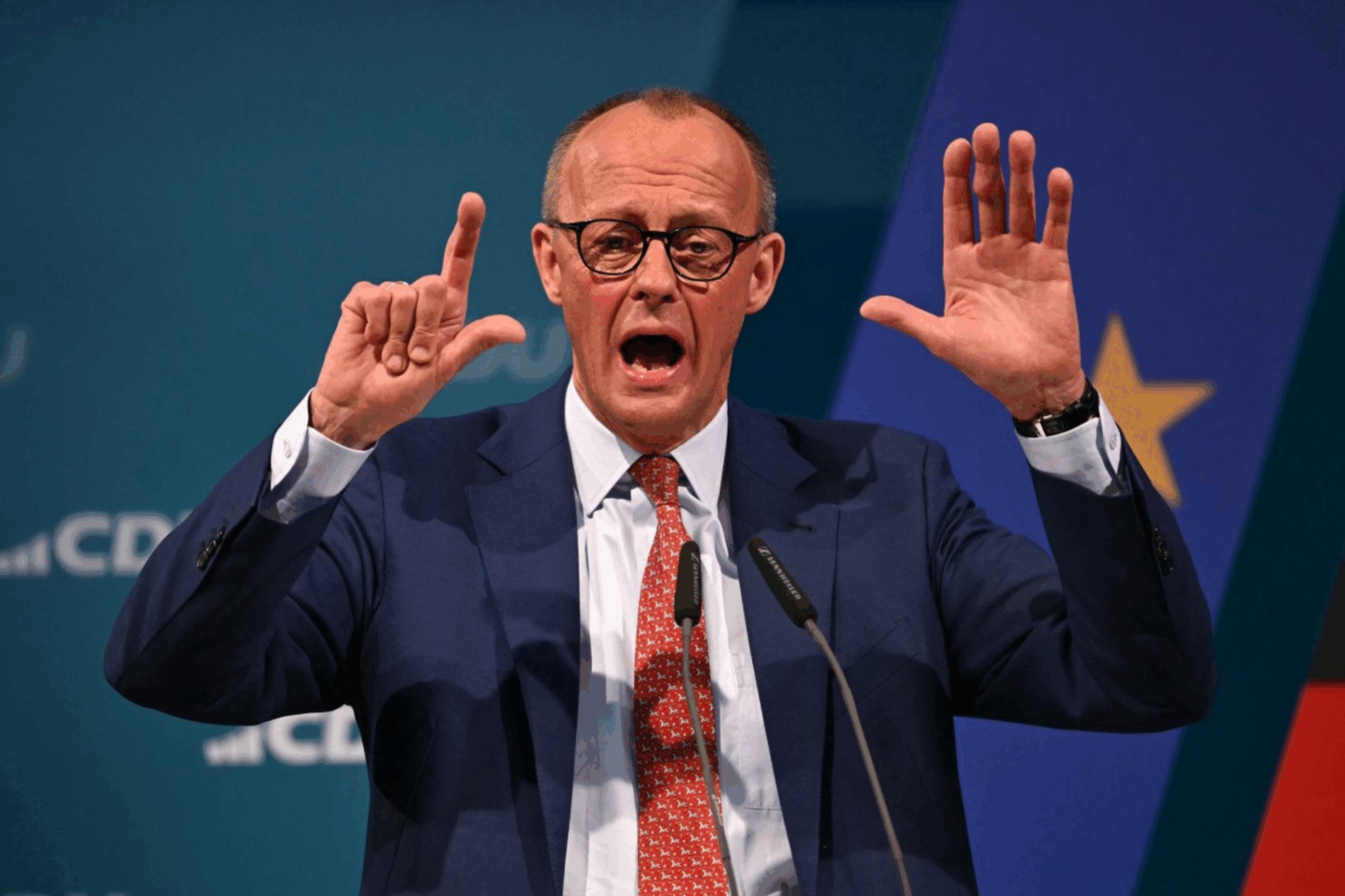
Photo by INA FASSBENDER / AFP
The polls show the pattern, but they don’t explain everything. The mood within the party committees is crucial, because discipline counts there, not just applause. Recent polls regarding the chancellorship put Merz under additional pressure, as his rivals are overtaking him.
Reforms on paper, costs in practice
Merz announced an “autumn of reforms,” but in the political arena, this has resulted in postponed legislation and piecemeal compromises. The chancellor is thus creating a gap, because citizens and businesses expect measurable progress. Reforms should primarily stimulate growth, but modernization remains fragmented, and the economic downturn continues.
Economists also point to the debt package declared as a “special fund,” as it is intended to promote innovation, not support routine spending. The ifo Institute spoke of a “dramatic economic situation” in October 2025 and warned of “Italian conditions.” This is fueling discontent within the CDU, because the lack of a clear list of priorities is creating new friction every week.
Migration and the Welfare State: Expectations Meet Reality
During his election campaign, Merz emphasized a tough stance on migration, but in his government’s actions, administration has dominated instead of a change of course. While border controls are preventing more illegal entries, family reunification continues to drive up the numbers, and immigration remains high. Critics call this contradictory, because the Chancellor simultaneously announced deportations while continuing special programs.
The welfare state is also facing a credibility problem, as “citizen’s income” has been renamed “basic income support,” while many regulations remain unchanged. Within the CDU, this is seen as a mere rebranding, and polls are sensitive to such signals. Migration thus remains a contentious issue, and every delay strengthens the competition.
Rebellion in Parliament and Doubts about Leadership
The Chancellor already found himself embroiled in an open power struggle in the summer of 2025 when the appointment of judges failed. The parliamentary group halted the process in time, fearing a defeat in the plenary session, thus exposing Merz. Such conflicts have lasting repercussions, as they reveal who ultimately decides.
At the end of November, a dispute arose over a pension law, and once again, prior consultation within his own party was lacking. Merz ultimately only narrowly secured the “Chancellor’s majority” because several MPs threatened to vote against it. Since then, the lesson within the CDU has been: Whoever negotiates reforms must first lead their own team, and only then their coalition partner.
Adenauer Foundation and a Look at the Election Campaigns
Shortly before the Christmas break, Merz also suffered a defeat at the Konrad Adenauer Foundation, as his candidate failed to gain a majority. Annegret Kramp-Karrenbauer was elected, and many party officials interpret this as a deliberate rebuke of the Chancellor. At the same time, influential state politicians are conspicuously silent, even though they usually emphasize stability.
This poses a risk for the CDU because several states will be holding elections in 2026, and local branches need successes. Polls in the regions react quickly, and weak promises from Berlin erode trust. Ultimately, a domino effect threatens: The Chancellor weakens the national party, and the national party burdens the work at the local level.
In the end, a bitter comparison emerges, because many would “fully reintroduce the combustion engine” if they could, and that speaks volumes about the yearning for reliability. For Merz, however, the opposite is already true in parts of the CDU, because he is currently hardly seen as a secure option for the future. (KOB)