
At least four oil tankers loaded with diesel changed course at the end of March on their way to Europe and are now heading for Asian buyers. The ships were originally intended to carry cargo for the European market. Instead, traders reacted quickly to higher prices in Asia. This is due to a shift in the global price structure, while Europe remains heavily reliant on imports. This is precisely where the risk lies: when shipments are diverted to better margins, the danger of further price increases rises. The consequences affect not only refineries and energy traders, but also, through higher costs, industry, transportation, and private households. (berliner-zeitung: 31.05.26)
The market follows the best price
This incident clearly demonstrates how ruthlessly the global oil trade is calculated. Tankers don’t go where there’s political demand, but rather where the cargo is most profitable. That’s precisely why Europe lost out to Asia in this case. Apparently, better prices could be obtained for the cargo there.
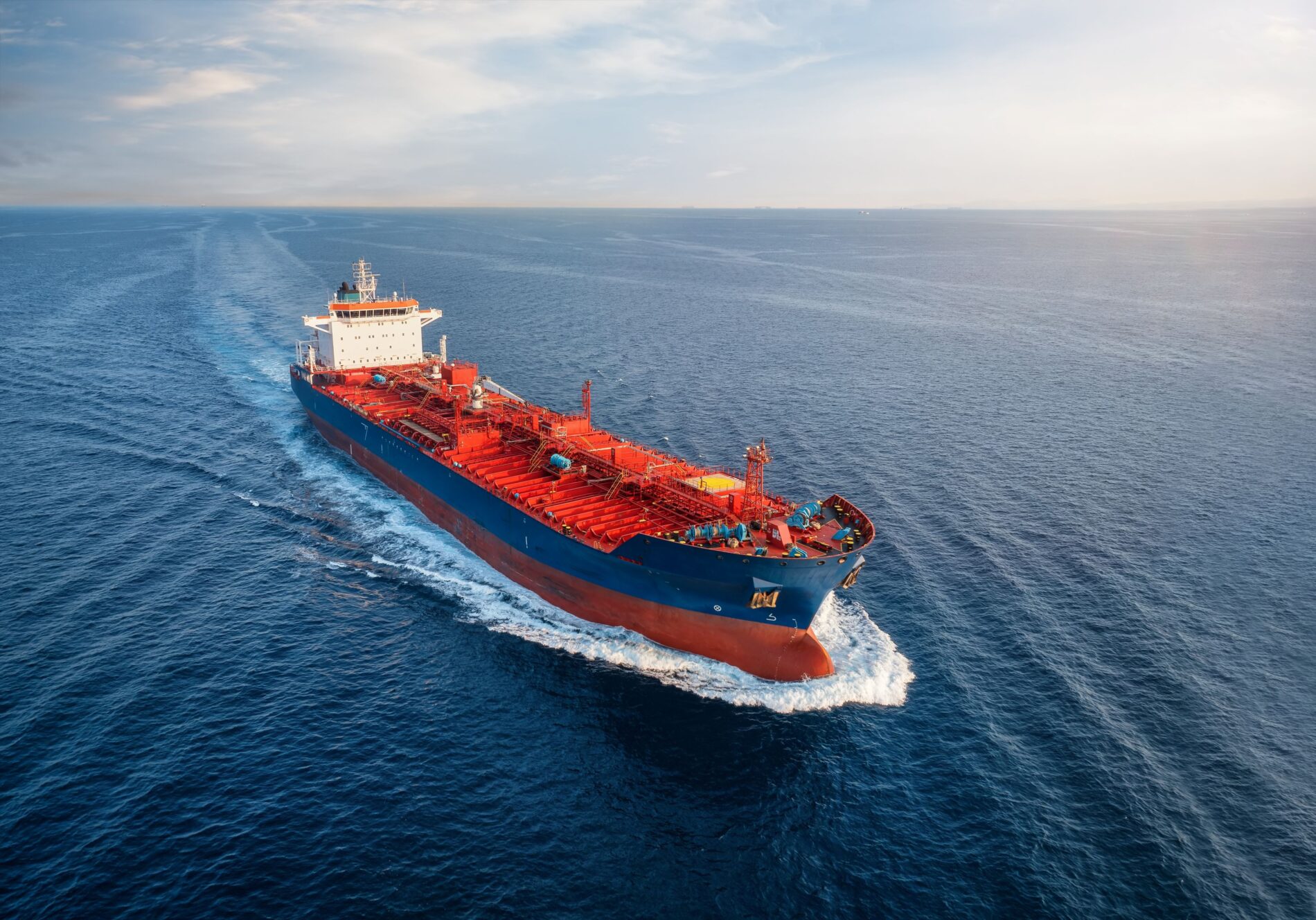
At the same time, this shift in supply is more than just an ordinary market movement. It reveals how quickly even planned deliveries can disappear from the European system. While governments invoke security of supply, at sea, the price premium per barrel often dictates the outcome. This exacerbates the uncertainty for everyone who relies on stable import volumes.
Europe’s Vulnerability Remains High
Europe has reorganized its energy supply in recent years, but has not achieved crisis-proof independence. The move away from Russian deliveries changed many things, but it did not eliminate import dependency. Instead, procurement shifted to new routes, new suppliers, and new risks. The system appears more diversified as a result, but not automatically more robust.
Furthermore, a significant portion of trade depends on short-term market decisions. Long-term safeguards are often lacking or only partially effective. If Asia buys more decisively and accepts higher prices, Europe quickly falls behind. This is precisely what makes such diversions so explosive: they expose how easily trade flows can be shifted.
Higher Prices Hit the Economy and Consumers
For oil prices, even the news of several tankers shutting down is a warning signal. Markets don’t just react to a shortage, but also to the growing risk of one. Therefore, such events can influence pricing far beyond the affected cargo. Uncertainty is almost always priced into the energy market.
The economic consequences thus extend well beyond the port. Refineries have to buy oil at higher prices or find alternatives. Industrial companies face rising energy costs, while freight companies and motorists feel the effects of higher fuel prices. At the same time, inflationary pressure increases because more expensive energy pulls up many other prices.
Asia Puts Europe Under Pressure
Asian buyers have long been aggressive on the global market, but this competition is now intensifying. As demand and willingness to pay increase there, traders are shifting their shipments to Asia. This puts Europe in a defensive position. The continent must then not only buy oil but also secure every shipment through competition.
This is precisely where a strategic deficit becomes apparent. Europe wanted to diversify its energy supply but relied too heavily on the assumption that the global market would provide the necessary quantities. This calculation only works as long as other regions don’t bid more aggressively. As soon as that happens, Europe loses access and has to pay more.
Energy Policy Faces a New Stress Test
The diversion of tankers is therefore not a minor event, but a warning sign for the coming months. As long as oil remains scarce worldwide and geopolitical tensions persist, traders will adapt flexibly. Europe must therefore be prepared for supply chains to collapse again under price pressure. Planning certainty is virtually impossible under such conditions.
Therefore, the pressure to act is increasing. More strategic reserves, more robust supply contracts, and less dependence on imported fossil fuels would reduce the risk. At the same time, this case demonstrates how costly delayed adjustments can be. In a market that immediately punishes any weakness, Europe will otherwise continue to pay the price.