
Rising diesel prices are increasingly putting public transport and municipal services in Germany under pressure. (welt: 30.03.26) Particularly in rural areas, transport associations are warning of a wave of bankruptcies among bus companies, while municipalities like Eisleben are already considering concrete restrictions. The trigger is the sharp rise in fuel costs, which is overwhelming many operators financially. (mz: 27.03.26) The disruptions primarily affect public bus services, municipal depots, and other public services. This will result in potential timetable reductions, possible driving bans for municipal vehicles, and increased burdens for residents.
Bus companies are fighting for survival
In rural areas, bus companies are increasingly under pressure, as revenues no longer cover rising operating costs. Small and medium-sized operators, in particular, are facing existential problems because they have to fulfill long-term contracts with fixed prices. At the same time, increased diesel prices are difficult to pass on in the short term, further shrinking profit margins.
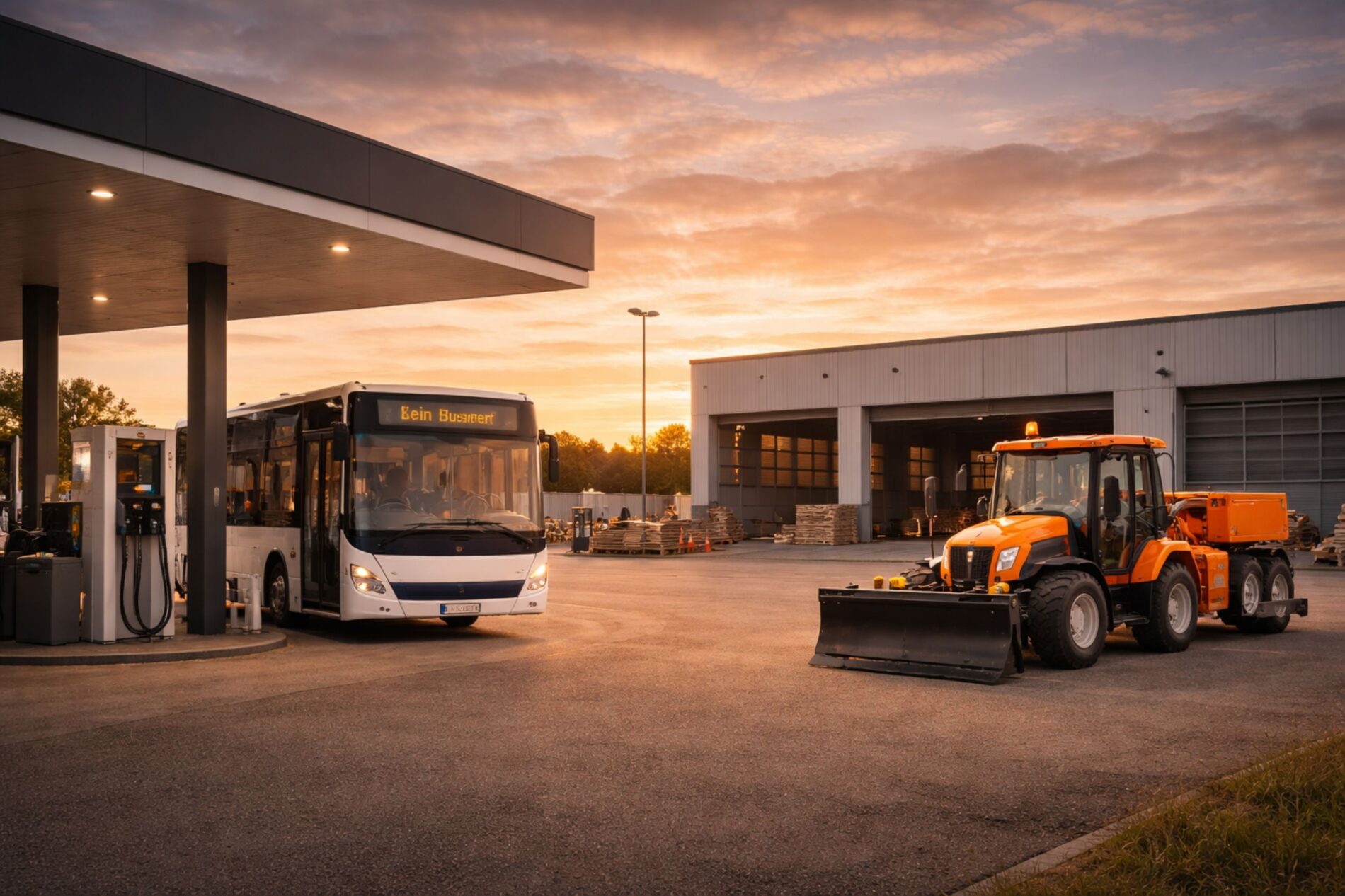
Associations are sounding the alarm because a wave of bankruptcies is looming. Should this occur, sparsely populated regions, where buses are often the only form of public transport, would be particularly affected. Furthermore, the cancellation of bus routes would have a direct impact on students, commuters, and the elderly, while alternative options are often lacking.
Municipalities are reacting with drastic measures
Cities and towns are also feeling the effects of high fuel prices. In Eisleben, for example, the administration is discussing concrete cutbacks for the municipal works department to reduce costs. Driving bans for certain vehicles are even being considered if prices continue to rise.
The mayor emphasized the seriousness of the situation because budgets are limited. Municipal services such as road maintenance and snow removal could be reduced if diesel costs continue to rise. At the same time, priorities would have to be reassessed, while other tasks might be neglected.
The impact on citizens and infrastructure is increasing
Ultimately, the effects directly impact the population because services are being reduced or made more expensive. When bus routes are cut, many people lose their mobility, especially in rural areas. At the same time, municipal cutbacks could worsen the quality of infrastructure, such as roads or public facilities.
Furthermore, the pressure on policymakers to find solutions is growing, as the situation shows little sign of easing in the short term. Without relief from energy costs, further cutbacks are imminent, while the situation continues to worsen for many regions. Therefore, associations and municipalities are calling for targeted measures to ensure the long-term viability of transportation and public services.