
Despite ideal conditions for solar and wind power, Spain is struggling with a growing imbalance. A high proportion of gas, significant overproduction, unstable electricity prices, and increasing grid congestion are putting immense pressure on the energy system. This combination creates a structural imbalance. A surplus of green energy is driving tariffs down so drastically that many plants are barely operating at a profit. At the same time, the gas component in the electricity mix is increasing to prevent another blackout. Simultaneously, extensive grid capacity is blocking key investments. This complex situation is significantly exacerbating the imbalance and burdening both households and energy providers. (handelsblatt: 09.12.25)
The imbalance is exacerbated by structural market distortions.
Demand has remained at pre-crisis levels for years, yet overproduction continues to grow. The increasing surplus is pushing tariff levels into critical ranges on many days. Operators report that projects are barely profitable despite high efficiency. This imbalance is therefore evident not only in the figures but also in the industry’s strategic approach.
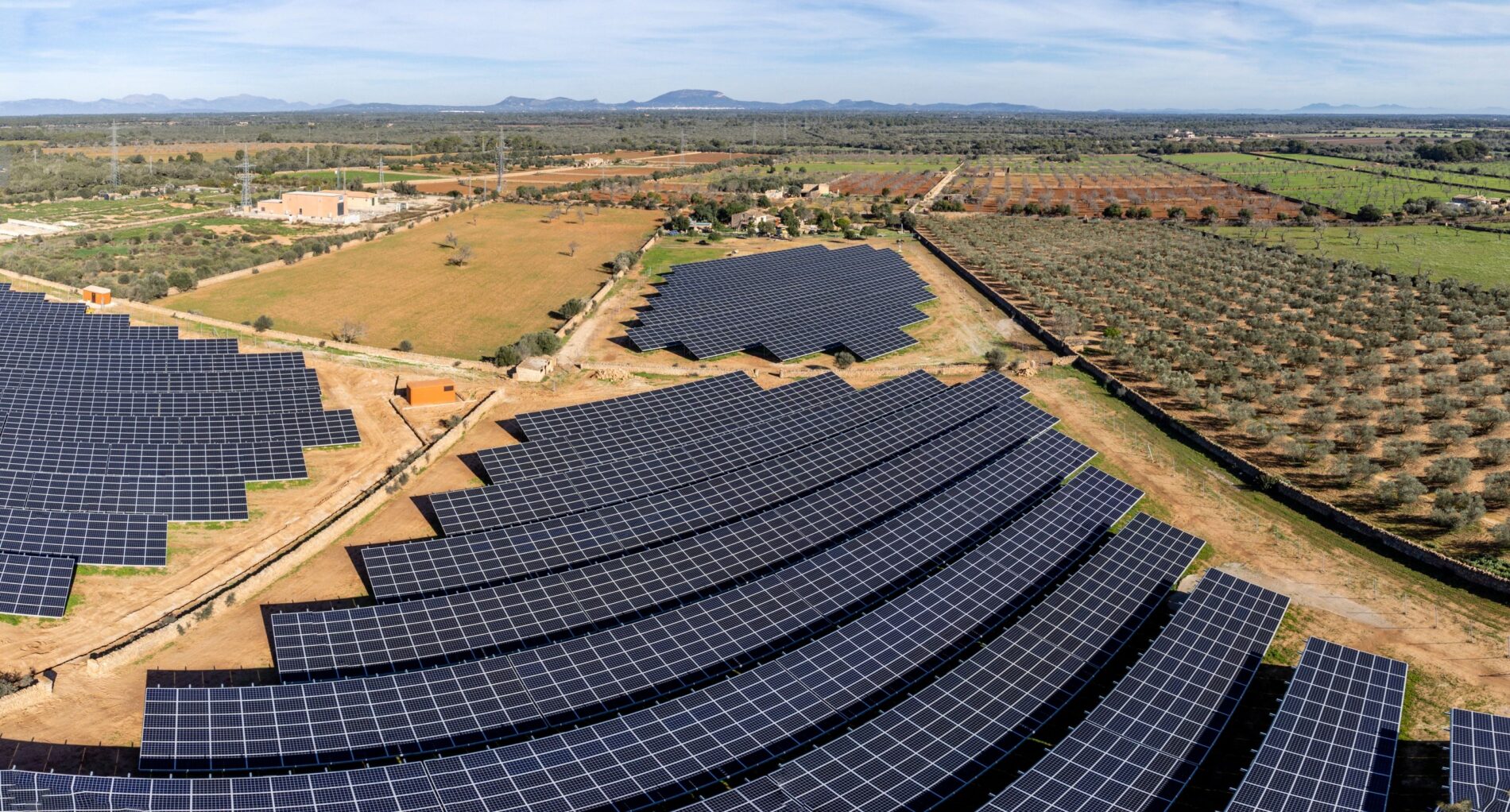
Electricity prices fluctuate dramatically, as sunny midday hours generate low market prices, while at night the gas component drives up costs. This increasingly deviates from stable planning parameters. At the same time, the question of storage becomes paramount, because without sufficient reserve capacity, the imbalance persists.
Grid bottlenecks stifle growth and exacerbate the imbalance
In many places, the Spanish grid is operating at its limit. The grid bottleneck prevents the connection of numerous projects, even when financing and permits are in place. Many companies are securing capacity in advance, which exacerbates the bottleneck and creates an additional grid limit. This behavior leads to structural inefficiencies and worsens the imbalance of the overall system.
Energy-intensive industries, in particular, complain about a lack of grid connection commitments. This significantly hinders investment. Simultaneously, the share of gas is increasing, as flexible gas-fired power plants ensure short-term load management. However, the higher gas component again raises the tariff level and exacerbates the imbalance.
Overproduction drives down electricity prices – while the high proportion of gas simultaneously drives them up
At certain times, Spain generates significantly more energy than the grid can absorb. This overproduction leads to low market prices, while consumers simultaneously pay more due to the high proportion of gas in the electricity mix. The discrepancy between surplus and increased costs creates a new grid limit, as the grid cannot flexibly absorb the increased volume. This development further exacerbates the imbalance.
Electricity prices rise particularly sharply during periods of high demand, as soon as gas-fired power plants kick in. Consequently, tariff levels remain volatile. This affects both private households and industry, although Spain still offers more moderate prices compared to other EU countries. Experts, however, suggest a long-term normalization once storage capacities are expanded.
Grid Congestion as a Key Risk Factor
Experts emphasize that grid congestion is now hindering expansion like no other factor. The grid limit arises not only from technical bottlenecks but also from reserved but unused capacity. This shifts the imbalance deep into the structural foundation of the system.
At the same time, the high proportion of gas forces electricity providers to implement costly balancing measures. While the gas component stabilizes the system, it also increases the financial burden. The imbalance thus forms a multidimensional problem encompassing supply, grid limits, and tariff levels.