
DB Cargo is cutting almost half of its approximately 14,000 full-time positions in Germany, with 6,200 job losses. The cuts affect operations, dispatching, and planning, as well as administration, sales, and IT. The move is triggered by restructuring pressure following an EU state aid investigation. After several restructuring attempts, the company continues to post losses, but the EU will only accept state support under one condition: the rail subsidiary DB Cargo must be profitable by 2026. If this goal is not met, the company will not be allowed to continue operating in its current form. This could lead to its breakup or liquidation, as well as severe cuts to its structure and locations.
EU Deadline as a Key Factor – Expert Report Due at the End of February
The restructuring is under the direction of Bernhard Osburg, the CEO responsible for DB Cargo. He has set a tight deadline, as 2026 will determine the future of the freight subsidiary. Osburg put the operating loss for the past year at a mid-double-digit million euro figure, and the turnaround failed to materialize. His predecessor, Sigrid Nikutta, had already attempted to initiate the restructuring process, but her plan was derailed by an external expert report. The company subsequently parted ways with her, while the restructuring process continued to escalate. Another crucial expert report is expected at the end of February, and Osburg has already informed employees and the supervisory board.
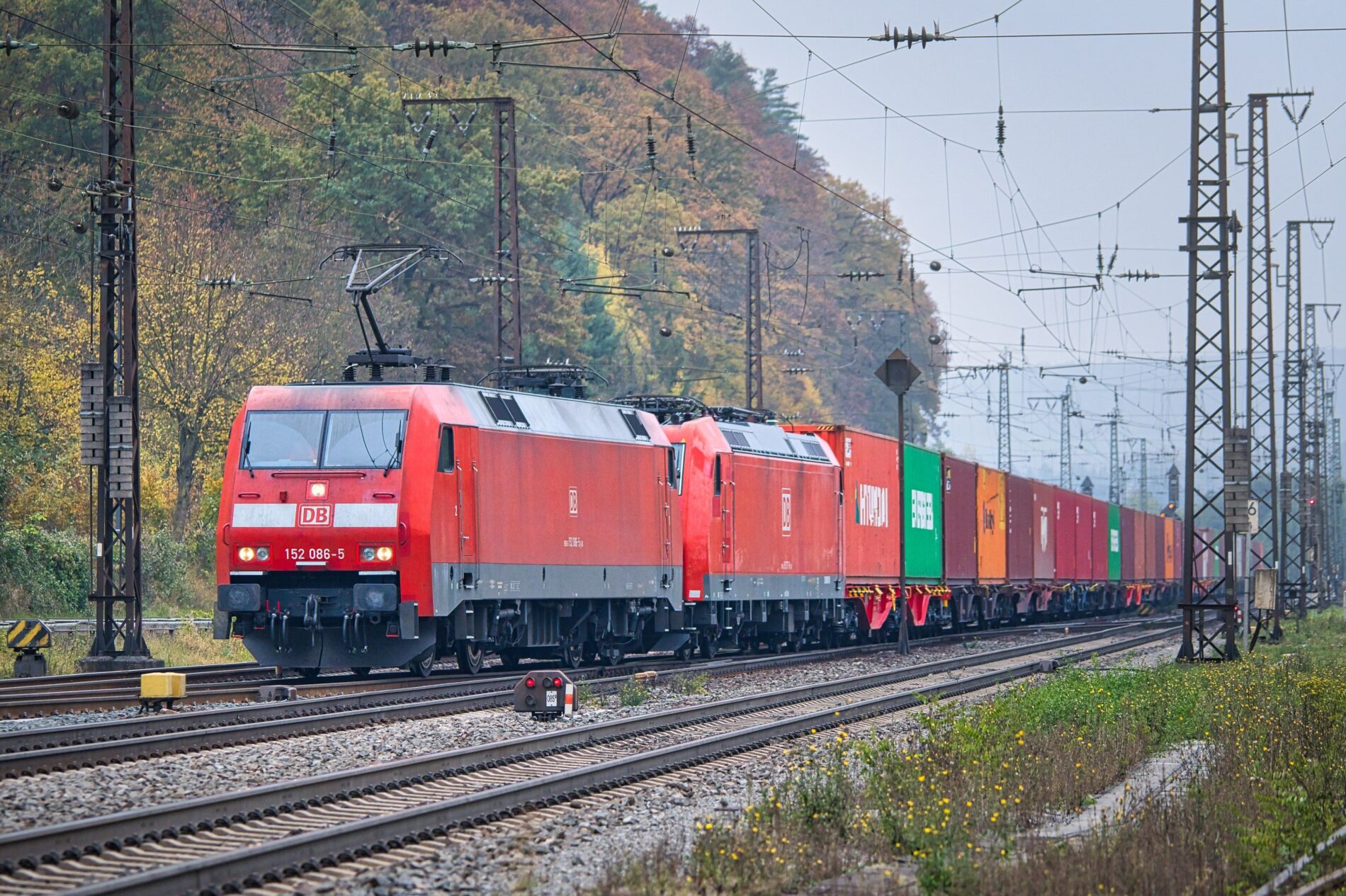
The job cuts follow a fixed savings target, which is why the company is dividing the reductions into two phases. DB Cargo aims to save around one billion euros by 2030. This alone will result in the elimination of 4,000 jobs, while at the same time the administration will be significantly streamlined. The vehicle fleet will be used more productively, and dispatching and planning will be reorganized. This ensures that the reductions are not spread across peripheral areas but rather have a profound impact on operations.
Europe instead of Germany: Demand weakens, strategy shifts outwards
Osburg justifies the change of course with weaker demand in Germany, particularly from automotive, chemical, and steel customers. Therefore, DB Cargo intends to shift its focus more strongly abroad and align its processes with European standards. Osburg puts it this way: “We are significantly aligning sales, planning, dispatching, and production with European standards and developing DB Cargo into the leading European rail logistics provider with clear, cross-border system solutions.” This is intended to generate growth across borders, even as the domestic market fluctuates.
The savings are intended to reduce costs, but they also involve a new operational logic. This is particularly evident in single wagonload traffic, DB Cargo’s traditional core business. The company collects individual wagons from industrial customers and bundles them into trains at marshalling yards. At their destination, DB Cargo redistributes the wagons, and this system has been generating significant losses for years.
Single wagonload traffic is being consolidated, but will remain a loss-making business
Another 2,000 jobs are to be cut in this area, while DB Cargo is significantly centralizing train formation. In the future, train formation will take place at only four main locations: Cologne-Gremberg, Seelze, Mannheim, and Nuremberg. Five additional facilities will remain as flexible secondary locations, but many sites will lose importance. DB Cargo plans to close or sell twelve of its 27 maintenance depots, and the company is also consolidating maintenance and capacity at fewer locations.
Osburg is unflinching about the restructuring, as he does not expect single wagonload traffic to become profitable even afterward. He says the business will remain “lost even in the new structure.” Therefore, DB Cargo will continue to rely on federal subsidies in this area, while the EU deadline for the entire group continues. This balancing act increases the risk: profitability must be achieved by 2026, while at the same time a core segment remains structurally problematic.
New Management Rules and Tight Timeline Until Summer and 2027
In addition to structural changes, internal management will also be restructured, but not as a symbolic gesture. Osburg is calling for greater responsibility among local decision-makers and binding implementation plans. The details are to be finalized by summer, during which time implementation will begin step by step. DB Cargo aims to complete the restructuring of its single wagonload traffic by 2027, and the overall strategy extends to 2030. The company is thus relying on a rigorous three-pronged approach of staff reductions, site consolidation, and process restructuring – under pressure to deliver actual profits by 2026.