
Daimler Truck is building a new truck plant near Cheb, close to Karlovy Vary, in the Czech Republic, relocating part of its production from Wörth am Rhein, Germany. The project was announced at the end of March 2026. The factory will be built on 65 hectares in the Cheb Strategic Business Park and will produce up to 25,000 vehicles per year. Investments of up to 8 billion Czech crowns (approximately 330 million euros) are planned, along with around 1,100 new jobs. Construction is scheduled to begin in 2027, with production starting no later than 2030. The move was primarily driven by space constraints and increasing complexity at the main plant in Wörth. The project is therefore economically significant for the region, even though the local labor market is already relatively tight. (gtai: 01.04.26)
Major Project Without Traditional Investment Aid
The Czech Republic considers the plant’s establishment one of the most important industrial projects of recent years. Remarkably, however, the government states that no direct investment incentives are being provided for the factory. Instead, the country is providing the land and organizing its development through the new state-owned development company SIRS. The city of Cheb had previously made the land available. The municipality will receive compensation of approximately €56 million from the subsequent sale of the land.
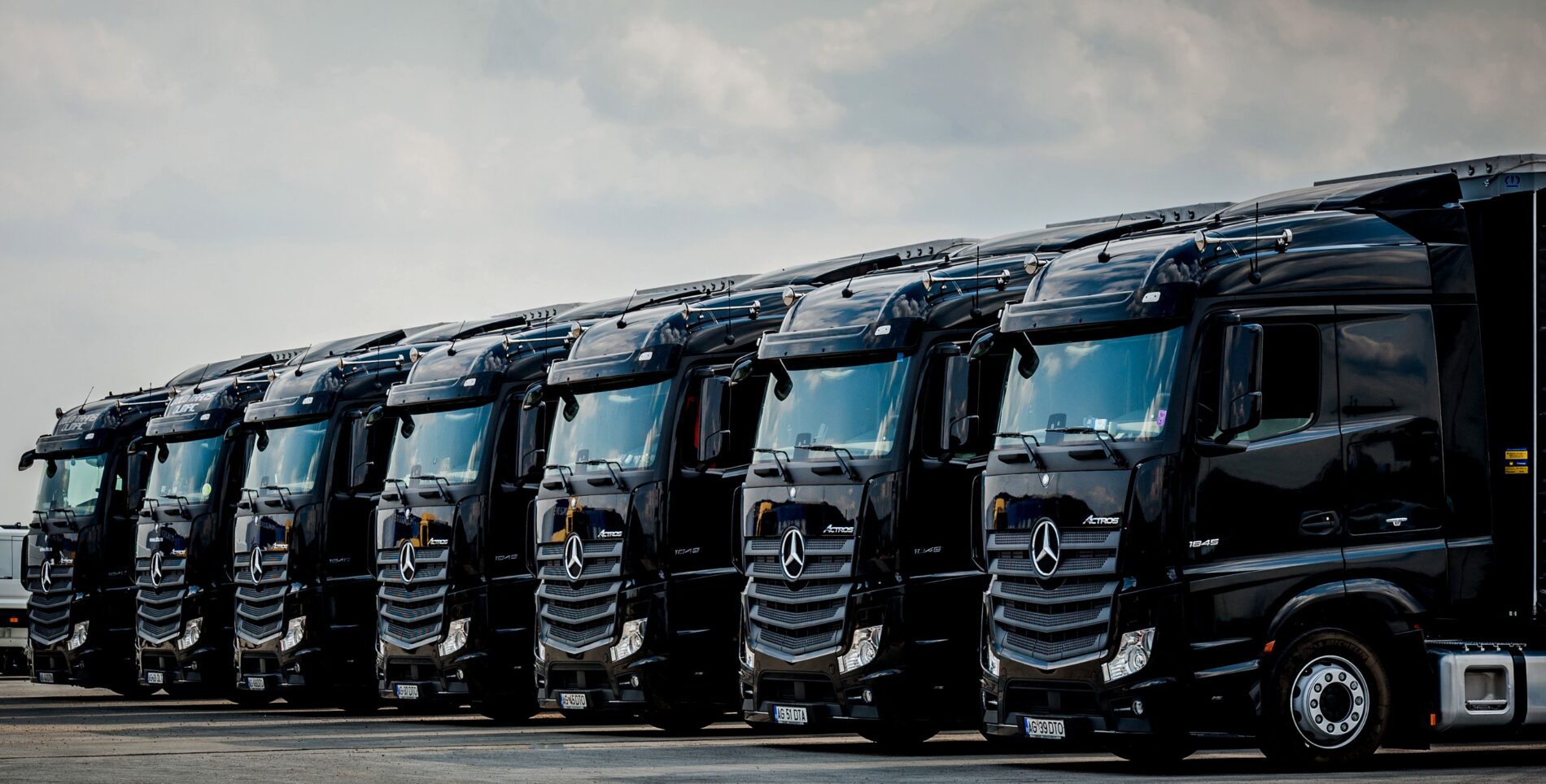
The Czech government has high expectations for the plant. According to government figures, the project could contribute around €1.3 billion to the gross domestic product annually. At the same time, additional tax revenue of approximately €550 million per year is expected. The area surrounding the plant is also slated for development. Investments are planned for housing, roads, rail connections, schools, and hospitals. Furthermore, the Cheb train station will be modernized for around €12 million to facilitate the shift of more freight to rail.
Why Daimler Truck chose Cheb
The new location is a consequence of profound changes in truck production. Customers are demanding an increasing number of variants in terms of vehicle length, cab, and transmission. At the same time, additional drive systems are emerging. In addition to diesel, electric and hydrogen trucks are playing an increasingly important role. This diversity makes production in a confined space significantly more complex and expensive. This is precisely what is putting a strain on the Wörth plant, even though it remains the most important and largest within the group.
Therefore, a whole range of factors favored Cheb. Proximity to customers and suppliers, as well as lower labor costs, were crucial. Available space and a readily accessible workforce were also key factors. The location is close to the borders of Bavaria and Saxony and has good connections to the D6 motorway. Furthermore, Cheb fits into Daimler Truck’s existing supply network. Both plants are to be supplied from Kassel, Mannheim, and Gaggenau. Daimler Buses’ presence in Holýšov, Czech Republic, also strengthens the industrial environment.
A Region in Transition, but with a Labor Shortage
The new plant is being built in a region with mixed conditions. On the one hand, Northwest Bohemia is considered structurally weak and must cope economically with the phasing out of lignite mining. On the other hand, the Cheb area has been attractive to international investors for years. Large companies such as H&M, DHL, Tchibo, and BWI are already located in the business park. The new plant thus fits into an existing industrial and logistics hub. This is precisely why the demand for personnel is likely to rise rapidly.
The labor market is already showing signs of shortages. In the Cheb district, the unemployment rate was 5 percent in February 2026, slightly below the national average. More than 3,000 people were registered as job seekers there. In the neighboring Sokolov district, the rate was significantly higher at 8.1 percent. At the same time, wages in the Karlovy Vary region are below the Czech average. This could attract new applicants, but it also increases the competition for skilled workers. For the Czech Republic, the plant nevertheless marks a turning point, because truck production in the country has so far been almost exclusively dominated by Tatra. With Daimler Truck, therefore, a new order of magnitude is beginning in commercial vehicle manufacturing.