
Anyone buying a home energy storage system plans for stable performance, yet a remote shutdown by the manufacturer can suddenly change everything. The Traunstein Regional Court and the Munich Higher Regional Court grant manufacturers of solar storage systems considerable leeway when a fire risk becomes concrete. Many customers then hope for a warranty claim, but the courts set strict limits. For operators, therefore, what matters is what happens technically and what is actually contractually agreed upon.
Remote shutdown as a safety tool for manufacturers
The judges clarified that remote shutdown remains permissible in principle if it serves to avert danger and is demonstrably justified. Manufacturers must minimize risks because they have a duty to ensure safety, and this duty carries significant weight. Essentially, the court accepts remote shutdown as long as the reason is credible. However, intervention without concrete evidence of a fire risk remains contestable, as the measure requires a legitimate justification.
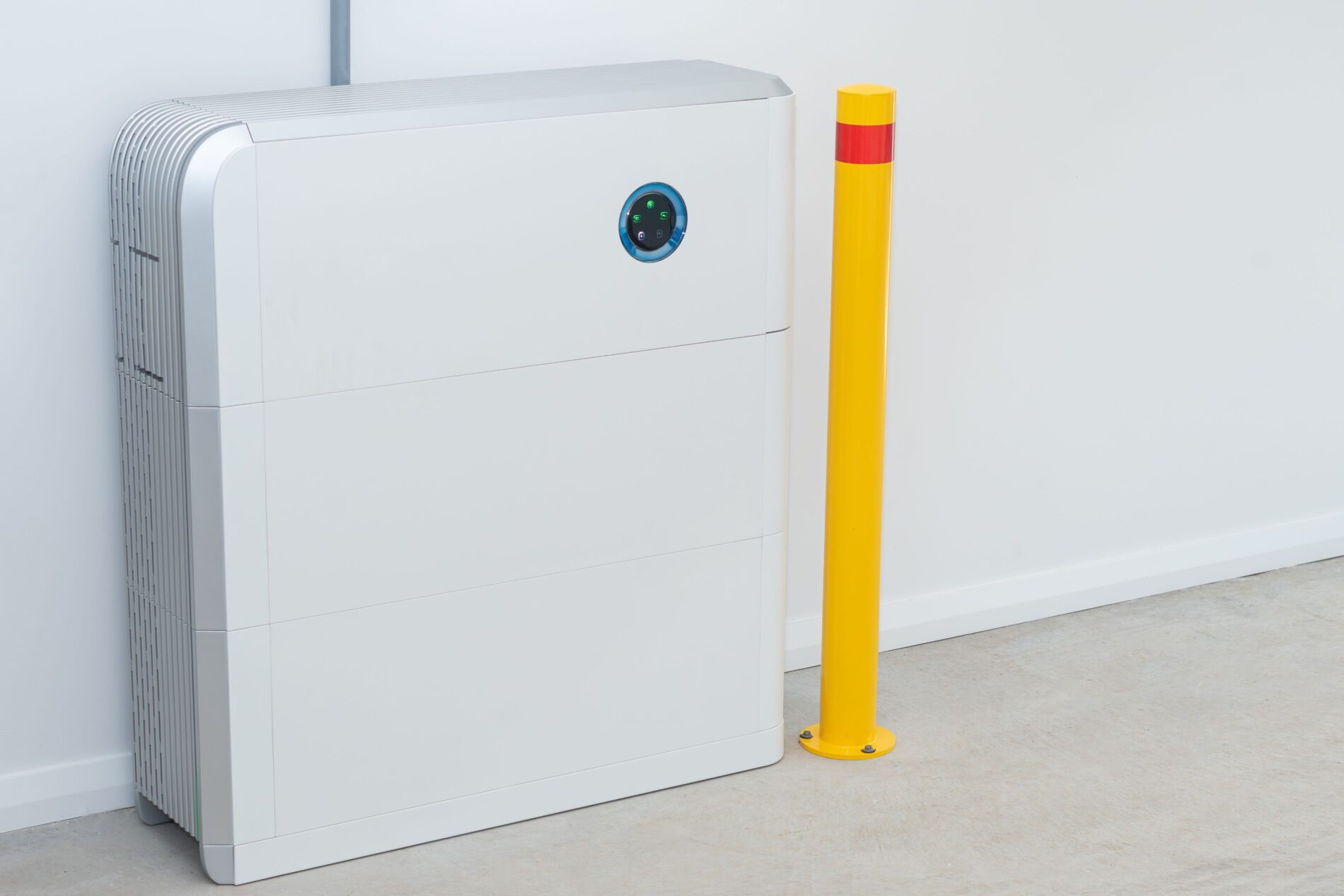
Image: Symbolic image
The case in question involved a 7.5 kWh battery storage system. Following reported fire incidents involving identical models, the manufacturer implemented several measures. Initially, the system was temporarily shut down completely. Subsequently, the usable capacity was limited first to 50 percent and later to 70 percent. This was intended to reduce the risk of fire while analyses were conducted, and this logic convinced the judges. The manufacturer also paid compensation, effectively acknowledging the loss of use.
Warranty, Guarantee, and the Dispute over Cell Technology
The buyer demanded the replacement of the installed NCA cells with LFP cells, arguing that the cell chemistry was no longer up to standard. He invoked the warranty and sought to enforce a specific action. The court rejected the claim because the plaintiff could not prove a concrete material or manufacturing defect. Six fire incidents among over 66,000 installed units did not constitute a general defect, and therefore, the basis for the requested replacement was lacking.
Crucially, the warranty terms were also examined, as they referred to age-related degradation and not to safety-related software limitations. Therefore, a capacity reduction in a solar storage system does not automatically trigger a warranty claim, even if it is noticeable in everyday use. Those who instead rely on statutory warranty often find themselves facing the seller as the party responsible, since the contract is usually handled through a dealer or installer. The courts, therefore, do not recognize a direct claim arising from the throttling as long as a specific defect is not proven.
Safety before property: What is legally permissible and what is not
The buyer’s ownership rights remain important, but in the event of a dispute, they take a back seat to safety if a fire risk is plausibly demonstrated. Therefore, those affected cannot simply demand the reversal of the remote shutdown as long as the manufacturer documents the reason and the measure is proportionate. For many operators of a PV storage system, this sends a clear message: The manufacturer is permitted to intervene if it reduces risks, and the customer does not automatically receive a replacement solution such as cell replacement.
Even with home energy storage systems, it’s helpful to review the contract, as warranty claims under Sections 434 et seq. of the German Civil Code (BGB) are typically directed against the seller. Furthermore, the court did not classify the warranty statement as standard terms and conditions within the meaning of Sections 305 et seq. of the BGB, meaning the manufacturer decides on the method of defect rectification. Therefore, the buyer cannot force a cell replacement, even if they wish to equip the solar storage system differently.
How customers can protect their options after a remote shutdown
In practice, a straightforward review process is worthwhile because it reduces litigation costs and creates room for maneuver. First, customers should document any communication regarding the remote shutdown. Second, they should compare the warranty with the purchase contract. Third, a technical log of the solar storage system is helpful because it documents the duration and extent of the throttling in the home storage system. Fourth, customers should request a written explanation from the manufacturer regarding the specific reason for the fire risk, including a deadline.
Anyone receiving compensation should document it thoroughly, as it demonstrates the economic impact of the shutdown. If no solution is found, the path usually leads through the seller and not through an extended warranty, even if the manufacturer controls the battery storage system via software. At the same time, it’s important to remember: without a verifiable fire risk, the shutdown loses its justification, and then the chances of a correction or compensation increase. (KOB)