
More than 1,000 jobs are being cut at Deutsche Bahn’s headquarters as new CEO Evelyn Palla implements a tough course of action. These job cuts form the core of the reform, which also brings the board closer to day-to-day operations. Punctuality and customer service are also under pressure, prompting management to announce a sweeping restructuring that will redistribute speed and responsibility. (morgenpost: 11.12.25)
Corporate Headquarters Loses Power and Staff
The restructuring at corporate headquarters primarily affects administrative functions, as numerous duplicate structures had accumulated there over the years. Instead of 43 organizational units, there will now be only 22, thus taking concrete form with the job cuts. While affected employees will be offered internal positions, the headquarters is undergoing a fundamental transformation. The corporate headquarters, as Palla envisions it, will henceforth guide rather than obstruct.
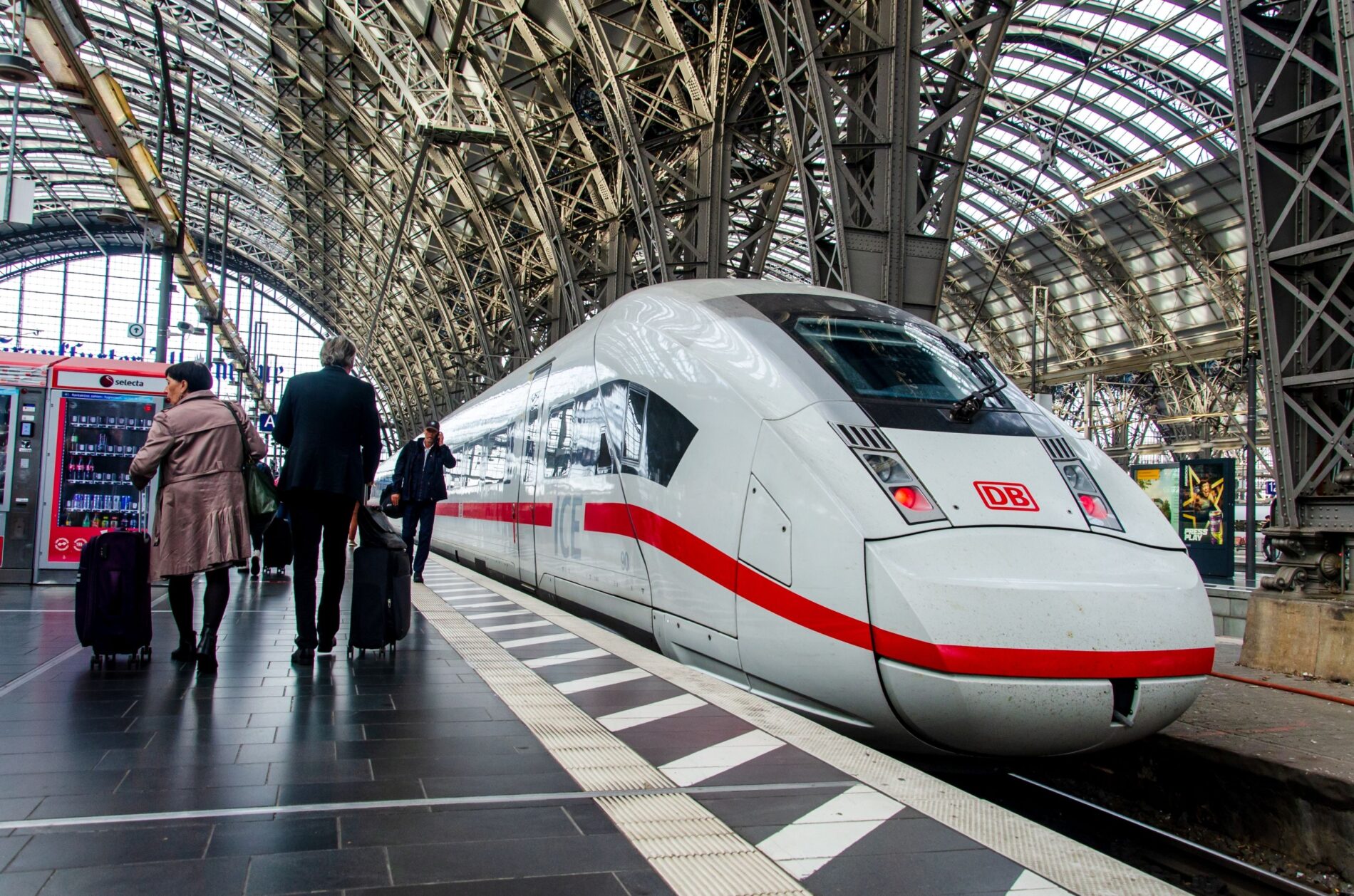
The Executive Board is also shrinking significantly, with six divisions replacing the previous structure. One position each is being eliminated in regional and long-distance transport, while the infrastructure division is losing two seats. This reorganization strengthens clear responsibilities because decision-making processes are shorter. The management level, i.e., top management, is focusing more on results rather than committee procedures.
Job Reduction as a Signal to the Entire Group
The job reduction is not solely about cutting costs, but also sends a signal to all areas. Palla’s goal is to shift responsibility to where operational expertise lies. Internally, excess staff at the corporate headquarters has long been considered a hindrance, which is why the cost-cutting measures are deliberately targeting this area. Even with social measures in place, a reduction in staff remains a significant and impactful step.
In parallel, the Executive Board is reviewing all structures for redundancies in order to unlock further efficiency reserves. This organizational reform is to be completed by summer so that the group can operate more effectively. The management level, i.e., the executive board, has the backing of the Supervisory Board and the unions.
Punctuality Remains the Test of the Reform
Punctuality is becoming the central benchmark for the restructuring, as passengers are particularly sensitive to it. Every two weeks, management analyzes the data and differentiates between network problems and operational causes. Palla doesn’t expect quick results, but she is setting realistic goals. A punctuality rate of 60 percent for 2024 is considered an interim target, while 70 percent by 2029 seems achievable.
The condition of the network is significantly impacting reliability, as wear and tear is progressing faster than anticipated. Despite this situation, the board is maintaining its service offerings because numerous states are contracting for the service. Reliability, meaning operational reliability, remains a constant issue that will determine the success of the reform.
Customer Service Strengthened Despite Cost-Cutting Measures
In addition to staff reductions, the company is making targeted investments in customer service to regain trust. Around €140 million will be invested starting in January in cleaner trains, increased security at stations, and improved information. Onboard catering and restrooms will also receive special attention, as these areas have been the subject of frequent complaints. The service department, i.e., passenger support, is expected to deliver noticeable improvements.
At the same time, the railway is adjusting the timetable regionally where individual connections have seen low ridership. These adjustments are being made selectively, even though the overall service remains stable. The board is thus aiming for a balance between efficiency and quality.
Freight Transport Under Particular Pressure
Outside of the corporate headquarters, freight transport is being sidelined for the time being, despite the intense time pressure. A restructuring plan is being developed and is scheduled for review at the end of December. Losses can no longer be absorbed, making a return to profitability imperative. The logistics division, i.e., the freight division, is therefore facing a crucial test.
Management remains cautious regarding the Stuttgart 21 project as well. Opening without a solid technical foundation is out of the question, as the digitization of the node is proving particularly problematic. A new timetable will only be established once all issues have been fully resolved.