
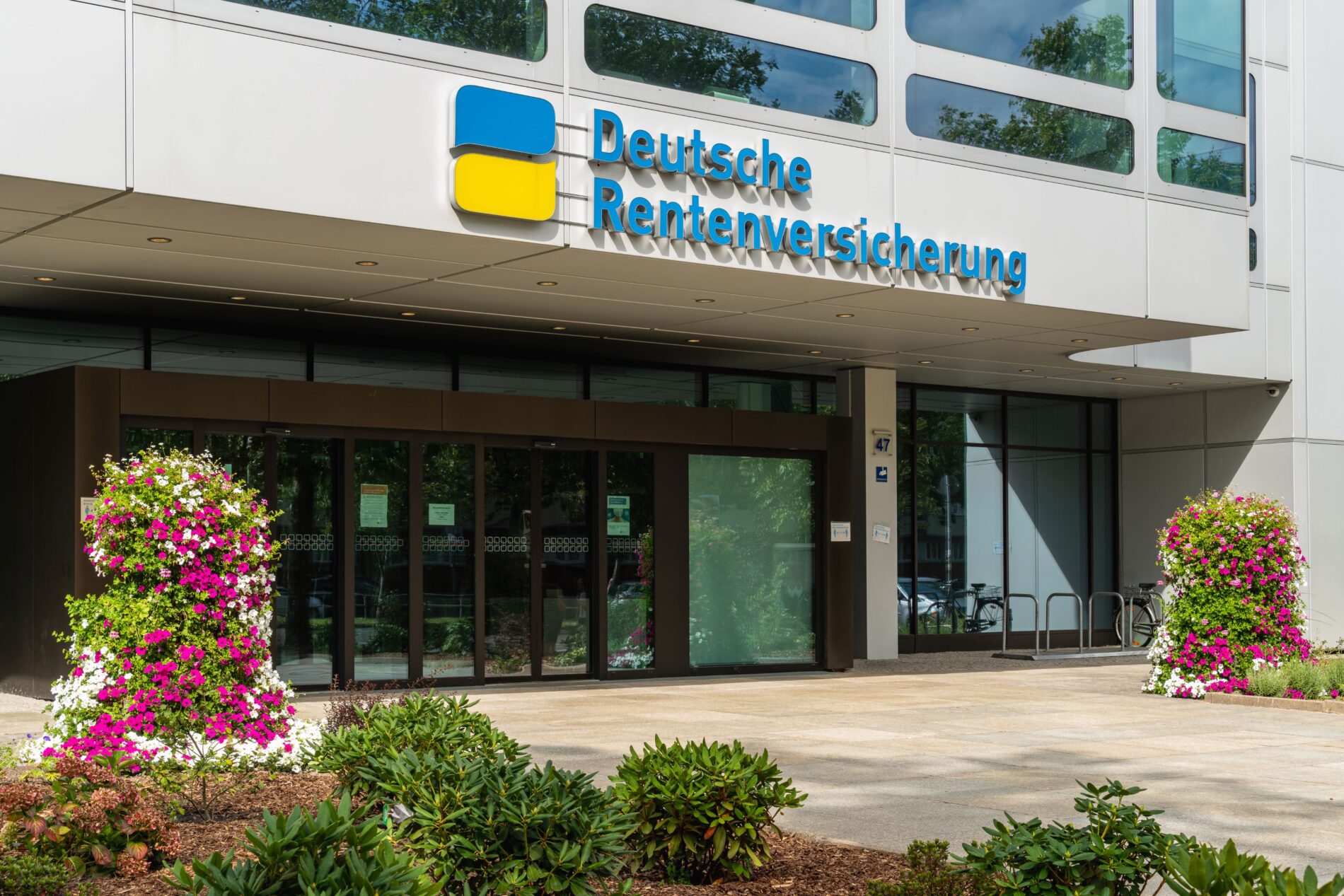
In Berlin, the Federal Audit Office once again criticized the Deutsche Rentenversicherung Bund in May 2026 for its high expenditures on external consulting. The catalyst for this criticism is a recent audit report which—following earlier objections raised in 2024—evaluates the countermeasures that had been announced. The consulting costs are particularly contentious because the DRV Bund manages funds derived from both contributions and taxes. The auditors continue to identify a lack of evidence demonstrating actual need, weak internal controls, and unclear results. Those affected include contributors, pensioners, and the federal budget. The primary consequence is that millions of euros have flowed into projects whose benefit to the pension insurance system appears insufficiently substantiated. (bild: 18.05.26)
New Controls Not Yet Effective
Following earlier criticism, the DRV Bund had pledged improvements. However, according to an audit report, new control mechanisms are “still being established.” Consequently, they have not yet yielded any demonstrable results.
The Court of Auditors is particularly critical of the planned checklist for new consulting contracts. Without genuine scrutiny, it risks becoming merely a “token measure.” Consequently, the question remains open as to whether expensive external consulting is truly necessary.
Consulting Costs Rise Despite Prior Warnings
As early as 2024, the Federal Audit Office identified serious deficiencies. At that time, in “almost 100 percent” of the cases examined, there was a lack of robust evidence demonstrating the necessity, cost-effectiveness, and proper procurement of services. Nevertheless, expensive examples have surfaced once again in the new report.
A sum of 765,000 euros was incurred for a set of internal operating procedures featuring buzzwords such as “pig rounds” and “surf-listening.” For corporate development initiatives, the report cites costs of 4.7 million euros. Furthermore, a digital strategy cost 8.6 million euros, despite the fact that its objectives and results were not documented.
Personal Connections and High Ancillary Costs
An IT management office also generated substantial expenses. Up to 1.7 million euros were channeled into external consulting services for this unit. These costs included workshop facilitation services provided by an external consultant with whom the officials had a personal acquaintance.
The auditors also raised objections regarding planned ancillary costs. The DRV Bund (Federal German Pension Insurance) allocated 150,000 euros for travel expenses—including international travel. Additionally, 25,000 euros were earmarked for exhibitions, trade fair appearances, and booth rental fees.
Transparency Regarding Consulting Costs Remains Crucial
Even for the participation of its own employees in a panel discussion, the pension insurance agency budgeted 3,000 euros. The Federal Audit Office found no concrete justification for this. At the same time, a dedicated digital unit grew from three to 57 employees.
Despite this staff expansion, consulting expenditures continued to rise. The Federal Audit Office therefore demands greater transparency regarding all consulting contracts, as well as regular spot checks. It also views a new accounting practice critically: consulting costs closely related to IT are sometimes recorded as IT expenditures, making it more difficult to verify genuine cost reductions.