
France is experiencing a cold snap, causing a noticeable increase in electricity demand. At the same time, generation is reaching record levels, and electricity prices are reacting more quickly than usual. In this situation, nuclear power and grid stability become crucial factors, as they ensure supply during peak demand. (bloomberg: 31.12.25)
Cold snap during winter operation: Record levels exceeding 56 gigawatts
On New Year’s Eve, the French nuclear power plant fleet operated near its maximum capacity, with combined production exceeding 56 gigawatts. This record level marks the highest since January 2019. Simultaneously, demand climbed to around 75 gigawatts, tightening the market even though nuclear power provides a significant amount of baseload power.
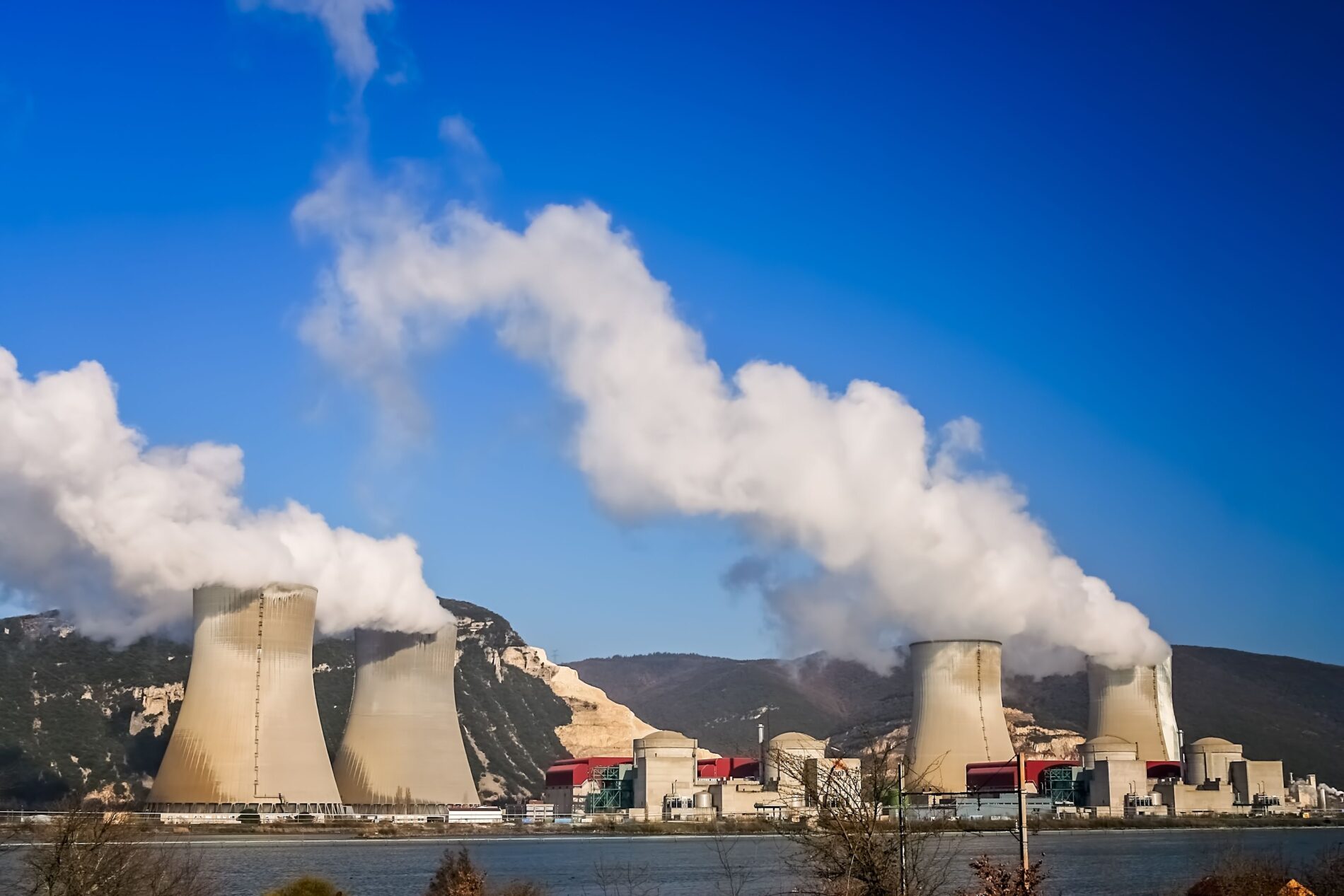
Forecasts indicate a prolonged period of frost for the next few days. In Paris, temperatures are expected to drop to around -1 degree Celsius, roughly four degrees below the historical average. If the cold snap continues, system planning will remain challenging, as even small deviations in consumption or generation can trigger significant price fluctuations.
Electricity prices rise: France surpasses Germany on the day-ahead market
On the day-ahead market, the electricity price for deliveries on New Year’s Eve was €89.07 per megawatt-hour, while Germany remained below that figure. This is considered unusual, as France typically offers lower prices during many market phases. However, the cold snap is shifting the price relationship, as demand, reserve requirements, and availability are all impacting the market simultaneously.
Hourly pricing is also gaining importance because peak loads create short, expensive intervals. Many consumers are therefore paying attention not only to spot prices but also to the tariffs in subsequent contracts. The risk increases if the cold weather persists for several days without any relief.
Grid stability under pressure – Coal and gas provide additional reserves
To absorb peak loads, France is increasing generation from coal and gas-fired power plants, while RTE data shows a tight situation during winter operation. This is intended to ensure grid stability, as reserves dwindle more rapidly during cold spells. While nuclear power forms the backbone, the system needs flexible capacity when consumption spikes.
This dynamic is particularly evident in the evenings when heating and lighting demands coincide. Even a minor power plant problem can then become noticeable, and security of supply depends heavily on operational discipline. The cold snap acts as an accelerator in this regard, as it immediately amplifies any fluctuations in the grid.
Outlook: Weather conditions determine market tension
Weather models predict continued cold weather for approximately two weeks, which is why the market remains sensitive. Every additional night with very low temperatures could push demand higher again, while record production levels must be maintained. Once the situation eases, electricity prices could fall rapidly, but the current trend suggests they will remain stable initially.
For traders and suppliers, the most important thing now is that nuclear power plants operate reliably and maintenance risks remain low. At the same time, grid stability must be ensured during peak hours to prevent bottlenecks. The cold snap will therefore determine costs, export capacity, and operational priorities in the short term.