
Fuel prices rose sharply at the start of the year for several reasons that had a simultaneous effect. The CO₂ tax increased the price per liter as a fixed surcharge, and diesel and gasoline prices reacted to this immediately in the market. Crude oil prices also set the framework for purchasing and trading, which is why drivers quickly felt the changes at the pump.
Fuel Prices in Review: 2025 Remained Cheaper, But Not Cheap
The ADAC (German Automobile Club) has published the final average prices for 2025, and the figures clearly put the year into perspective. Super E10 averaged €1.688 per liter, while diesel averaged €1.611. Thus, 2025 was again slightly cheaper than 2024, yet the burden on everyday fuel costs remained noticeable.
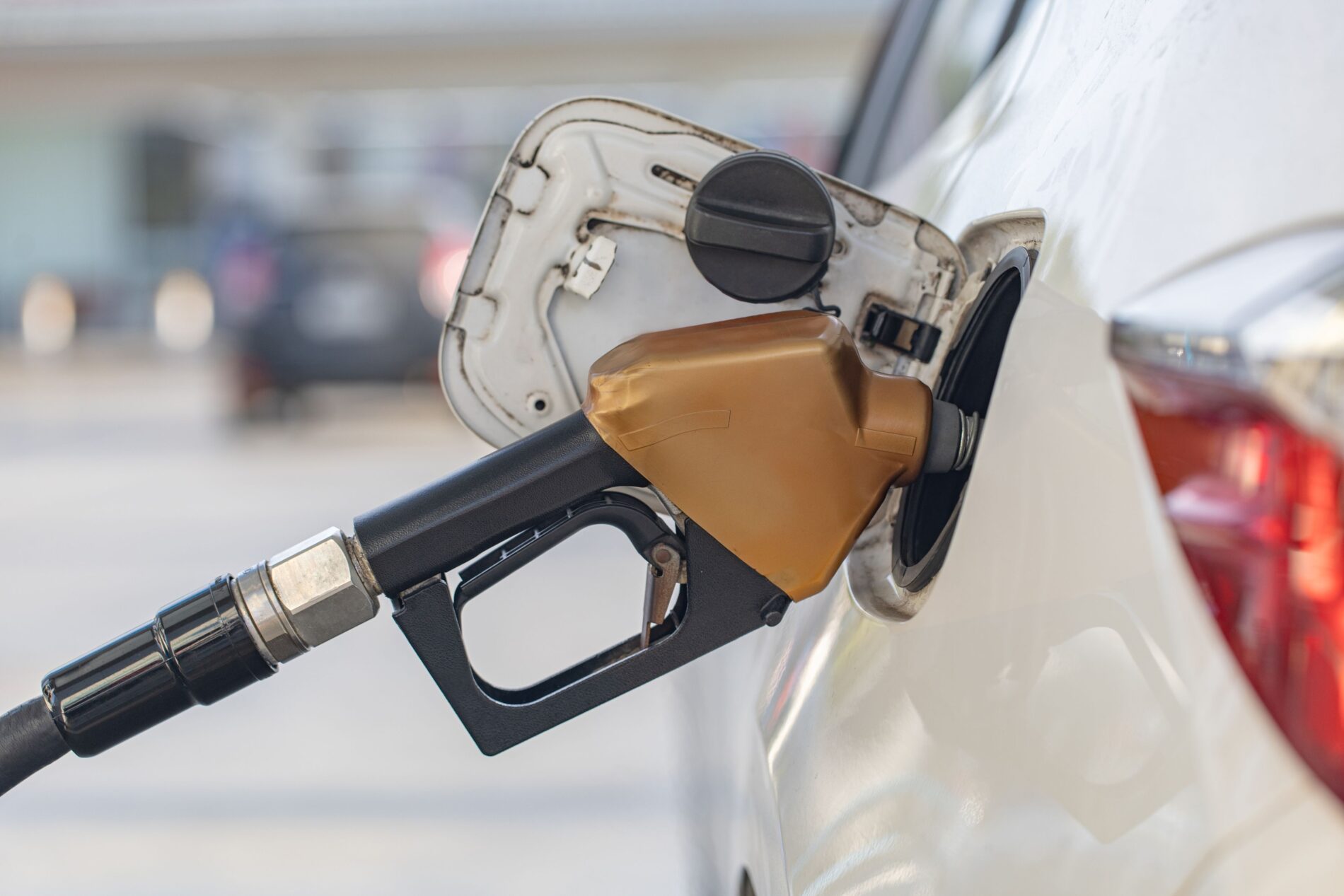
Despite the decline, according to the ADAC (German Automobile Club), 2025 remained the fourth most expensive year for fuel, and the gap to previous records only appears reassuring at first glance. In 2022, the war in Ukraine drove prices to a level many still remember, as diesel cost an average of €1.946 per liter at that time. Super E10 reached €1.86, and such figures alter expectations for future price increases. ADAC fuel expert Christian Laberer summed it up perfectly, saying that refueling is “still relatively expensive.”
Figures from January 1: How much diesel and Super E10 prices rose
On January 1, the price jumped noticeably, and the ADAC calculated the nationwide daily average for Super E10 at €1.709 per liter. That was 3.4 cents more than on December 31, and the price of diesel even increased by 4 cents to €1.658. This movement often takes hold quickly because gas stations adjust prices throughout the day.
The comparison with December 29th is even more striking, as it reveals the lead time. Compared to that date, Super E10 was 5.4 cents higher and diesel 6 cents higher. Suppliers often implement price adjustments in advance because they factor in cost changes and simultaneously test their margins. This means fuel prices rise not only on the day itself, but also in the days leading up to it.
CO₂ Tax and Crude Oil Price: Two Leverages That Operate Separately
The CO₂ tax is a politically mandated component and is independent of the oil market. The ADAC (German Automobile Club) anticipates this component will amount to up to 3 cents per liter, and this sum will be directly reflected in the final price. Many also refer to it as a CO₂ levy, and it explains the baseline increase at the turn of the year. The fact that the increase was nevertheless higher is due to market dynamics, margins, and timing, as companies adjust their calculations before the effective date.
Regardless, the price of crude oil determines the direction of the wholesale market. It can trigger price increases or decreases within a short period. The ADAC states: “By far the most important factor for the development of fuel prices remains the price of crude oil.” When crises strain supply chains, retailers often react more quickly. The oil price is reflected in the final price via intermediate products and transportation. This applies to Super E10 as well as diesel, and therefore rapid fluctuations in diesel prices remain realistic in 2026. Those who refuel flexibly can better absorb fuel price fluctuations, but the market still dictates the overall direction. (KOB)