
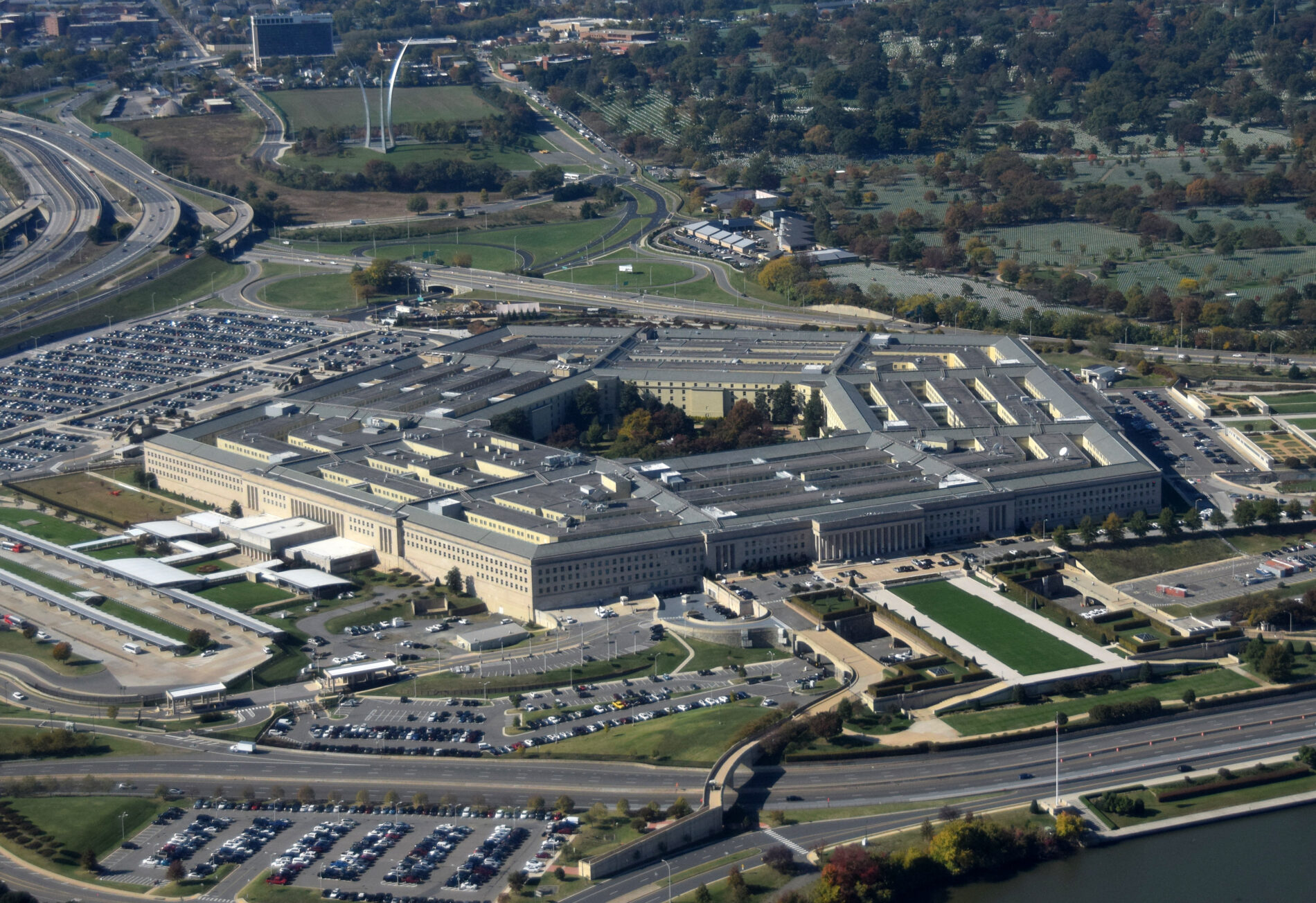
At the Pentagon, China’s battery dominance is now considered a security issue because many batteries and intermediate products come from China and because alternatives are lacking. This poses a security risk, as a supply disruption could hamper procurement and operational readiness. At the same time, pressure is increasing from data centers that require 24/7 power reserves for AI and cloud computing, further increasing the strategic importance of the battery supply chain. National security thus depends not only on chips but also on energy storage. LFP batteries are also coming into focus because they are often the most important technology for large-scale storage systems. (nytimes: 24.12.25)
Security Issue at the Pentagon: Batteries Become a Bottleneck for Operational Readiness
Military planners are witnessing in Ukraine just how heavily modern warfare depends on energy, and they anticipate a massive demand. Drones, sensors, radios, satellites, and night-vision technology all draw power and require reliable batteries. Many of these components, however, rely on Chinese suppliers, making the battery supply chain a strategic vulnerability. Those who cannot reliably procure spare parts and cells will plan operations differently, and that is precisely what the Pentagon wants to avoid.
Govini estimates the dependence on foreign components in US weapons programs at around 6,000 individual components, a figure that serves as a warning signal at the Pentagon. Govini CEO Tara Murphy Dougherty stated, “The reality is very harsh.” She added, “Foreign parts are used in 100 percent of our weapons systems and military platforms.” This isn’t a theoretical description, but a supply situation that could turn against the US in a conflict.
The Ukraine Effect and Export Policy: China Can Tactically Control the Battery Supply Chain
Ukraine provides a practical example, as export controls on components have already had noticeable consequences, with prices sometimes rising sharply. Catarina Buchatskiy of the Snake Island Institute said, “Every Chinese export restriction since 2022 has had a direct impact on the battlefield.” She also warns that such components are “across Western defense programs,” making the issue more directly relevant to national security than traditional industrial policy. In Washington, concerns are growing that China is indirectly influencing military options through supply regulations and intermediate products.
Beijing is also openly emphasizing its role. On October 9, China threatened to limit exports of advanced lithium-ion technologies, including graphite anodes and cathodes. These basic components determine performance and cost, and they act as leverage because they are needed everywhere. For the Pentagon, this makes the security issue operational, because planning only works if material flows remain reliable.
Data centers as a contributing factor: Pentagon competes for the same batteries
The second pressure comes from digital infrastructure, because data centers are growing rapidly and require batteries as an immediate backup. Many operators also rely on their own storage arrays because even brief voltage dips can destroy data. As a result, hangar-sized data centers are popping up in Northern Virginia, intensifying the demand for cells and intermediate products. This forces the Pentagon to compete with tech companies for the same components, and shortages are having a more rapid impact.
Dan Wang of the Hoover Institution said, “China leads in almost every industrial component.” He added, “They are ahead technologically and in scale.” This statement explains why diversifying battery supplies in the US is difficult. But it also explains why the dependence is particularly pronounced for LFP batteries, because China dominates production and intermediate products.
Political U-turn: Trump slows down electric cars, but the Pentagon needs LFP batteries
The Trump administration initially froze parts of Biden-era funding programs because they linked batteries to electric cars and other projects, and Trump called electric cars a “fraud.” At the same time, pressure is mounting at the Pentagon because the dependence is seen as a security issue and because no quick replacement is available. Therefore, programs aimed at strengthening materials, recycling, and intermediate products are now being relaunched, and component manufacturers are also coming into sharper focus.
However, no short-term solution will address the core problem. While the US can extract raw materials, it lacks refineries and intermediate products, and environmental regulations increase production costs. Analysts expect it will take years before enough LFP batteries are produced in the US, and even longer for stable supply chains of anodes, cathodes, and graphite. Some manufacturers are turning to iron phosphate batteries, but even then, the question remains: where will the precursor components come from?
National Security as an Infrastructure Issue: Power, Storage, and Strategy Merge
AI rivalry is increasingly tied to power supply, and therefore data centers and Pentagon planning are becoming more intertwined than ever before. OpenAI wrote in October: “Electricity is not simply a utility service.” It continued: “It is a strategic asset that will secure our leadership in the most consequential technology since electricity itself.” If power becomes a strategic asset, then batteries become a key component, and this affects national security as well as industrial competitiveness.
For the Pentagon, the conclusion remains clear, and it concerns the battery supply chain as well as procurement rules. Restrictions against “foreign entities of concern” are becoming more politically likely because of the desire to reduce dependencies and because national security would otherwise be affected by external supply decisions. As long as China dominates LFP batteries and intermediate products, the situation remains tense, and every new data center intensifies the competition for storage. Thus, the battery issue becomes a permanent security agenda item, and not just an industrial one.