
The charging station miscalculation is costing billions and shaping the streetscape of many cities. Public charging points are springing up everywhere, even though drivers have long since changed their behavior. The charging infrastructure is growing faster than its usage, while electric cars are increasingly being charged privately. At the same time, charging costs are rising, despite continued political pressure to expand the charging station network. This very imbalance is what is currently dominating the debate. (t-online: 21.12.25)
The Charging Station Misconception and False Assumptions
The charging station misconception is based on outdated forecasts, as they underestimate the changes in everyday life. Earlier target figures were set during a time when private charging solutions were hardly widespread. Today, however, it is clear that public charging infrastructure is not the key factor. Experts explain in interviews that the majority of drivers charge their vehicles at home.
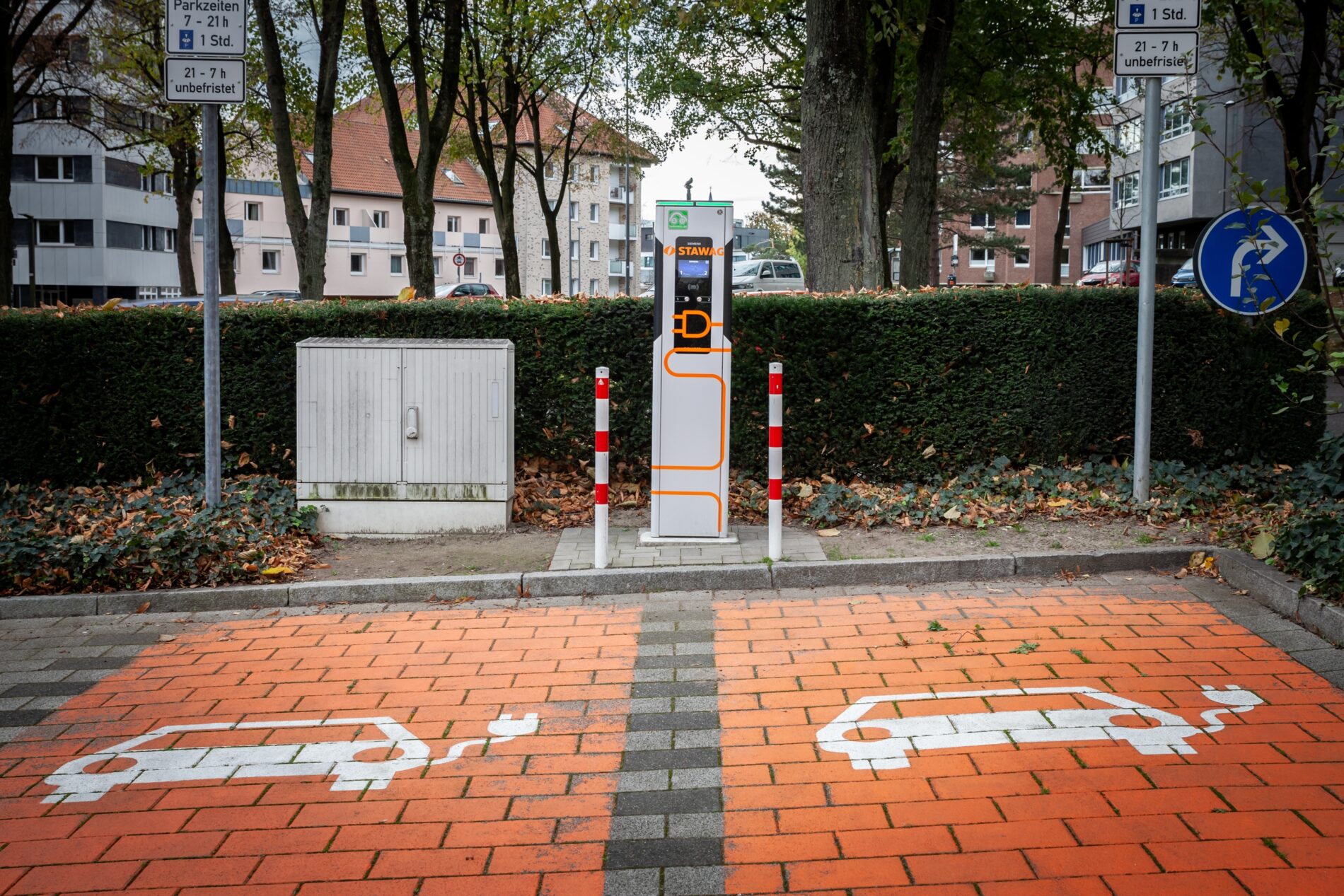
Electromobility functions differently than traditional refueling systems. Electric vehicles are not charged spontaneously, but rather according to a schedule and on a regular basis. This diminishes the importance of public charging points, even though they continue to be considered key by politicians.
Nevertheless, the expansion of charging stations follows rigid guidelines. Municipalities are building new locations even though existing charging stations are hardly used. This discrepancy increases charging costs because investments remain unused.
Private solutions are displacing public charging infrastructure.
Subsidy programs have accelerated private expansion, leading to the installation of wallboxes in garages and underground parking facilities. This development significantly reduces the need for public charging infrastructure. Drivers appreciate the convenience of being able to charge their electric cars overnight.
The misconception surrounding charging stations is particularly evident here. While the government plans new locations, the actual demand has long been met. Private charging points are effectively replacing gas pumps, and this is fundamentally changing the reality of transportation.
At the same time, charging costs in public spaces are rising. Operators have to cover high fixed costs, even though usage remains low. This makes charging on the go expensive and reinforces the trend toward private charging solutions.
Misdistribution and Economic Risks
Analyses reveal clear differences between locations. Charging infrastructure functions well along highways and in metropolitan areas, but in residential areas, charging stations often stand empty for days. Despite this, the expansion of charging stations continues precisely in these areas.
For operators, this model becomes a risk. Excavation, grid connection, and maintenance incur high costs, while revenue is lacking. The result is rising prices, which drive drivers back to their home charging points. Electric vehicles thus become an argument against public charging stations.
The charging station misconception is further exacerbated because political programs are rarely adjusted. Instead of analyzing demand, the focus is on the number of newly installed charging stations. Efficiency remains secondary, even though it would be crucial for stable charging costs.
Technology Overtakes Planning
Added to this is technological change. Many standard chargers are already considered outdated, as users expect short charging times. Those charging on the go want to get back on the road quickly and therefore prefer high-performance systems.
The current expansion of charging stations only inadequately addresses this demand. Public funds are flowing into technology that barely supports everyday use. This reinforces the impression that the charging station miscalculation is not only financially but also technically problematic.
Industry experts emphasize in discussions that electromobility needs flexible concepts. Charging infrastructure must be built where it is actually used. Otherwise, high charging costs, empty locations, and growing dissatisfaction will persist.
Everyday Life Beats Political Planning
Ultimately, user behavior decides. Electric cars are charged where it is convenient, not where it was planned. The charging station miscalculation therefore demonstrates that infrastructure policy fails without realistic assumptions.
As long as the expansion of charging stations is not aligned with actual demand, these missteps will continue. A realignment could reduce costs, consolidate technology, and build trust. That is precisely where the real opportunity for electromobility lies.