
In Lauen, Saxony, VOWAG GmbH has finally failed after insolvency proceedings were opened at the Chemnitz District Court (case number: 205 IN 4/26), as the insolvency administrator sees no possibility of restructuring. The business has effectively ceased operations. The trigger was the lack of an investor. Production has already stopped and the factory has been cleared out. The company had been developing electric cargo bikes for last-mile delivery since 2020, but sales figures remained too low and public contracts were lacking. Founder Sven Knorr (63) confirmed the closure to BILD, stating that the situation offered no hope of rescue. The consequences are clear: no more production, the company is insolvent, and the employees face permanent job loss. (Bild: 18.02.26
Founder confirms closure and vacates factory
Sven Knorr told BILD: “It’s all over. The company is insolvent, all hope has been dashed.” This means the end of any operational prospects, even though the company website continues to advertise its intention to “actively shape the transportation revolution.” Knorr added: “The production hall is empty, we have failed.”
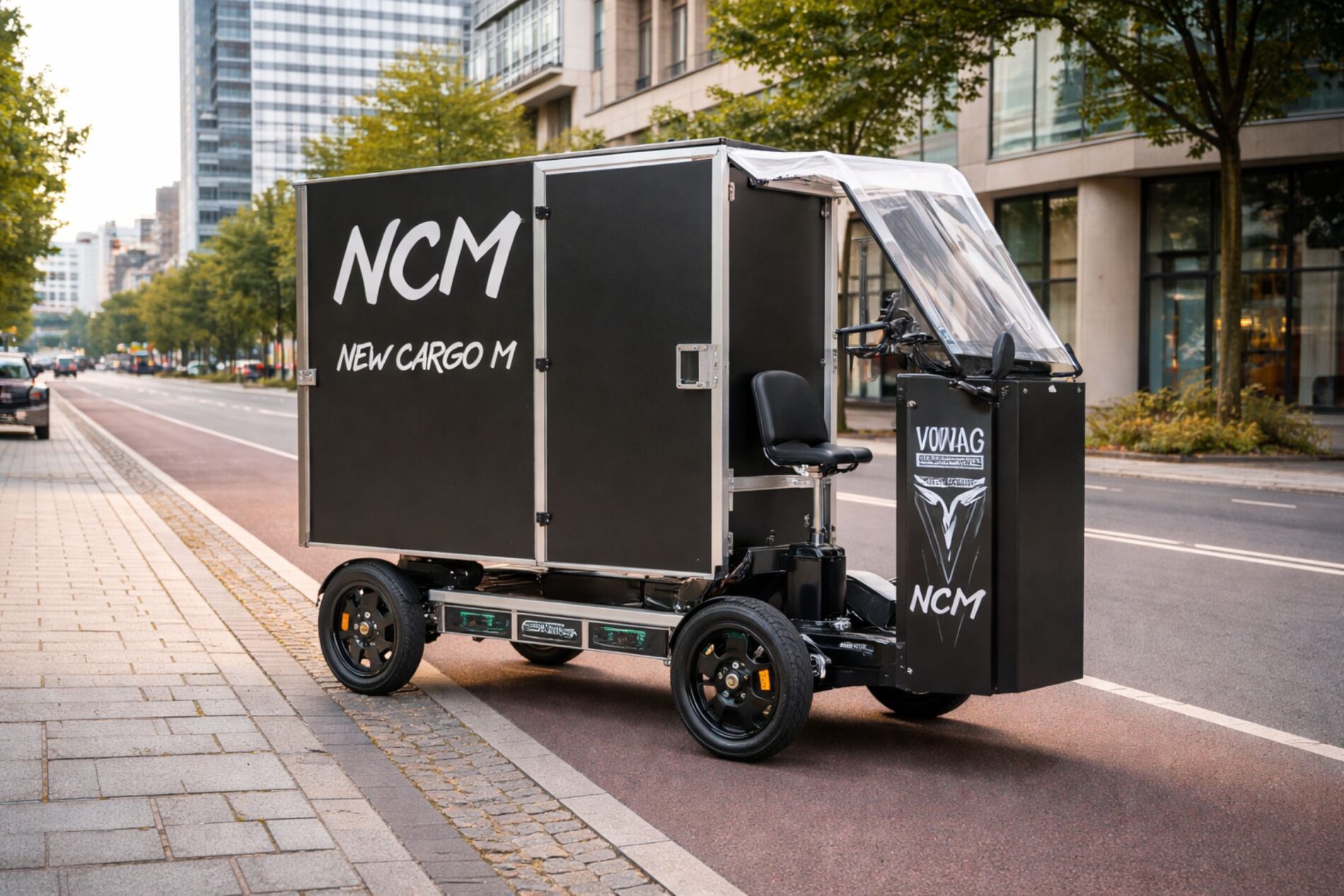
The Chemnitz District Court opened insolvency proceedings and appointed attorney Dr. Marlon Foit as insolvency administrator. Foit was initially tasked with finding investors, but he apparently no longer sees a viable path forward. Knorr describes his assessment as follows: “He doesn’t consider us viable for restructuring.” This effectively ends the search for a way forward, and VOWAG loses its last option for a fresh start.
Product with clear advantages, but price as a hindrance
Knorr founded VOWAG in 2020 as a mechanical engineer with a green logistics concept, focusing on a special model called the Cargo M. The bike is only 98 centimeters wide, which is why it’s considered more of a bicycle than a car in everyday use. This allows it to be driven in many places and requires neither a vehicle inspection nor a driver’s license, which is important for delivery services.
Technically, the concept was designed for heavy transport while remaining quiet. According to the company, the battery provides a range of up to 100 kilometers, and the cargo bike can carry a payload of up to 500 kilograms. It has a top speed of 25 km/h, making it suitable for inner-city trips. However, one drawback stood out: the price was over €14,000, significantly limiting its market appeal.
Too few sales and a lack of public contracts
VOWAG reported selling around 160 cargo bikes from Plauen, but this wasn’t enough for stable operations. Knorr says, “That’s too few,” and cites a second bottleneck. “We also lacked orders from public authorities,” he explains, which is why planning security was impossible.
Without major framework agreements, production volumes were insufficient, while development, manufacturing, and personnel costs continued to accrue. The company employed up to eight people at one point, but it couldn’t consistently cover its fixed costs. As a result, the company incurred losses, and ultimately, insolvency proceedings were the only option.
Insolvency Administrator Sees No Future
Dr. Marlon Foit took over as insolvency administrator, initially tasked with exploring options, but apparently reached a harsh conclusion. If no buyers or investors come forward, production will cease immediately, and that seems to be precisely what has happened. Knorr describes the situation as final, pointing to the cleared factory hall as a visible sign of this.
For the Plauen location, this means the loss of a specialized manufacturer, while the concept of low-emission city logistics now has one less provider. While the number of delivered bikes remains the same for customers, the question of service and spare parts arises in an insolvent environment. The source code provides no concrete assurances on this matter, so the only conclusion is: the operation has ceased. Knorr is drawing his own conclusions and now intends to focus more on his grandchildren.