
According to energy experts, Britain is heading towards potential rationing of oil and fuel products if the blocked Strait of Hormuz is not reopened soon. The trigger is the US war against Iran, which is disrupting a significant portion of the global oil and gas supply. Industry figures indicate that this is currently resulting in a shortfall of around 20 million barrels per day. The UK consumes approximately 1.4 million barrels of oil daily but produces only about half that amount domestically. If the crisis persists for a few more weeks, government ministers could reserve fuel for hospitals, food supplies, schools, public transport, and emergency services. For motorists, this would mean purchase restrictions at petrol stations, limited opening hours, and a further increase in already rising prices. (thetimes: 16.03.26)
Government must reserve fuel for critical sectors
The core of the warning is clear: If supply remains tight, the government will have to prioritize. Nick Butler, former head of strategy at BP, expects rationing in this scenario. He said the government must protect the supply of food, hospitals, schools, and transportation systems. Only a limited amount would remain for private consumers, which would also have to be distributed.
Butler sees a narrow window of opportunity. If oil and gas do not resume flowing through the Strait of Hormuz within two to three weeks, the situation will become “serious.” His warning therefore focuses not only on rising costs, but above all on real distribution decisions. He also believes it is necessary to prepare the population early, because otherwise panic buying could further exacerbate the situation.
Emergency plans extend to purchase limits at gas stations
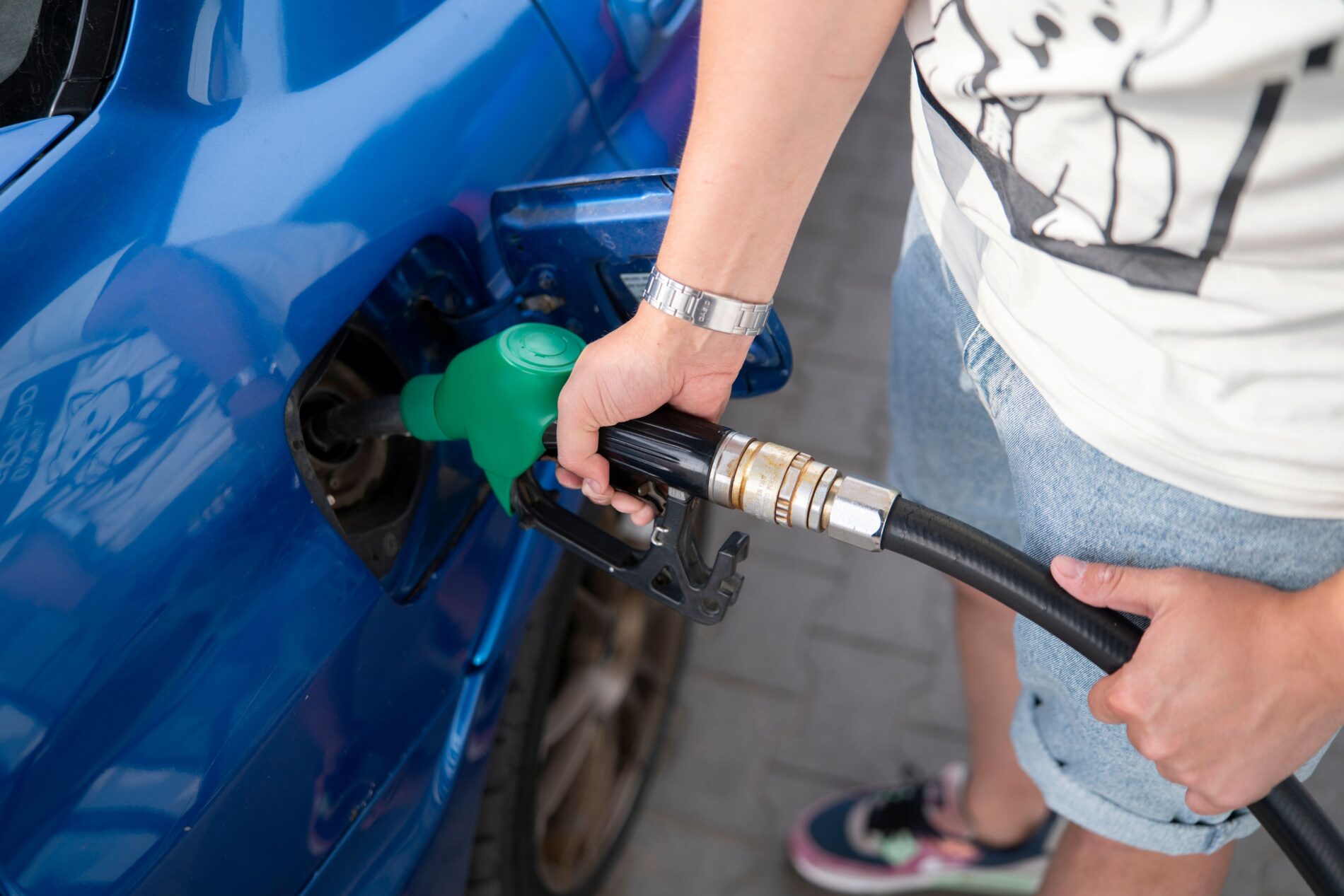
The British government has already prepared concrete intervention options. These include limits on the amount of fuel per customer and reduced opening hours at gas stations. Suppliers could also be instructed to deliver larger quantities first to emergency services, public transport, and other critical infrastructure. This would immediately prioritize the needs of systemically important sectors over the supply of the general public.
Paul de Leeuw of the Energy Transition Institute also considers such measures realistic. He does not expect a complete shutdown of the oil supply, but rather a period of strict prioritization. His comparison with the German austerity measures after the Russian attack on Ukraine illustrates the direction things are heading. The state would then not have to manage the shortage, but rather make targeted decisions about who gets deliveries first and who has to wait.
Great Britain remains vulnerable despite other supplier countries
Although Great Britain sources the majority of its oil imports from the US and Norway, the country remains dependent on the global market. De Leeuw warns that tankers could be diverted to markets that pay higher prices. Especially in a tense situation, not only the origin of the oil matters, but also the willingness of other countries to pay. Therefore, a global shortage can lead to rationing even if Britain’s main suppliers are not directly from the Gulf.
Added to this is a structural problem at home. Great Britain now has only four refineries, compared to 17 in the 1970s. This reduces its ability to flexibly convert crude oil into gasoline, diesel, or other products. This weaker infrastructure increases the risk that a global price shock could quickly translate into a national supply bottleneck.
Initial market reactions show how quickly the situation is escalating
Demand has already risen at some gas stations because many drivers want to fill up before further price increases. This very behavior could accelerate rationing later on. Butler is therefore explicitly warning against panic buying if the crisis lasts three or four weeks. According to motorists’ associations, the problem is already primarily a price crisis, but this could quickly turn into a supply crisis.
Brent crude oil was trading at around $100 per barrel at the start of the week, roughly 50 percent higher than the previous month. The RAC therefore expects further price increases at the pumps. Gasoline could rise by an average of 3 pence to 145 pence per liter, and diesel by as much as 9 pence to 170 pence. While private drivers are already facing increased costs, higher costs are also looming for road freight transport. Since around 80 percent of goods in the United Kingdom are transported by truck, supermarket prices could also rise further.
Rationing would have repercussions far beyond gas stations
The consequences of rationing would not be limited to motorists. Rising fuel costs would also affect freight forwarders, supply chains, and air travel. The wholesale price of fuel has risen by 32 percent since February 27, while kerosene has almost doubled in price since the beginning of March. This is increasing the pressure on airlines to raise ticket prices.
Air France-KLM is already anticipating increases of around 50 euros in economy fares on long-haul flights, while Wizz Air even sees risks to its profits. For Great Britain, however, this would only be part of the problem. The crucial question remains whether the government will have to implement a controlled distribution system to address the price explosion. The longer the blockade in the Strait of Hormuz continues, the more likely this scenario becomes.