
Europe is facing a new bidding war in the gas market. Following the US and Israeli attacks on Iran, liquefied natural gas (LNG) from the Gulf states can no longer be shipped through the Strait of Hormuz as usual. At the same time, Europe’s gas storage facilities are unusually empty after the winter. In recent days, several LNG tankers have already been diverted to India, China, Taiwan, and Japan. This increases the pressure on Europe precisely at the moment when storage facilities need to be replenished. The key risk lies in the combination of tighter supply, Asian emergency purchases, and weak reserves. The consequences are clear: higher prices, fiercer competition, and growing uncertainty regarding supply. (nzz: 18.03.26)
Empty storage facilities hit Europe at a bad time
The timing is particularly critical for Europe. Since the war in Ukraine, the continent has replaced large portions of its Russian pipeline gas with LNG. As a result, supplies are much more dependent on the global market. And this very market is now under additional pressure. This exacerbates the situation because Europe can no longer rely on large reserves.
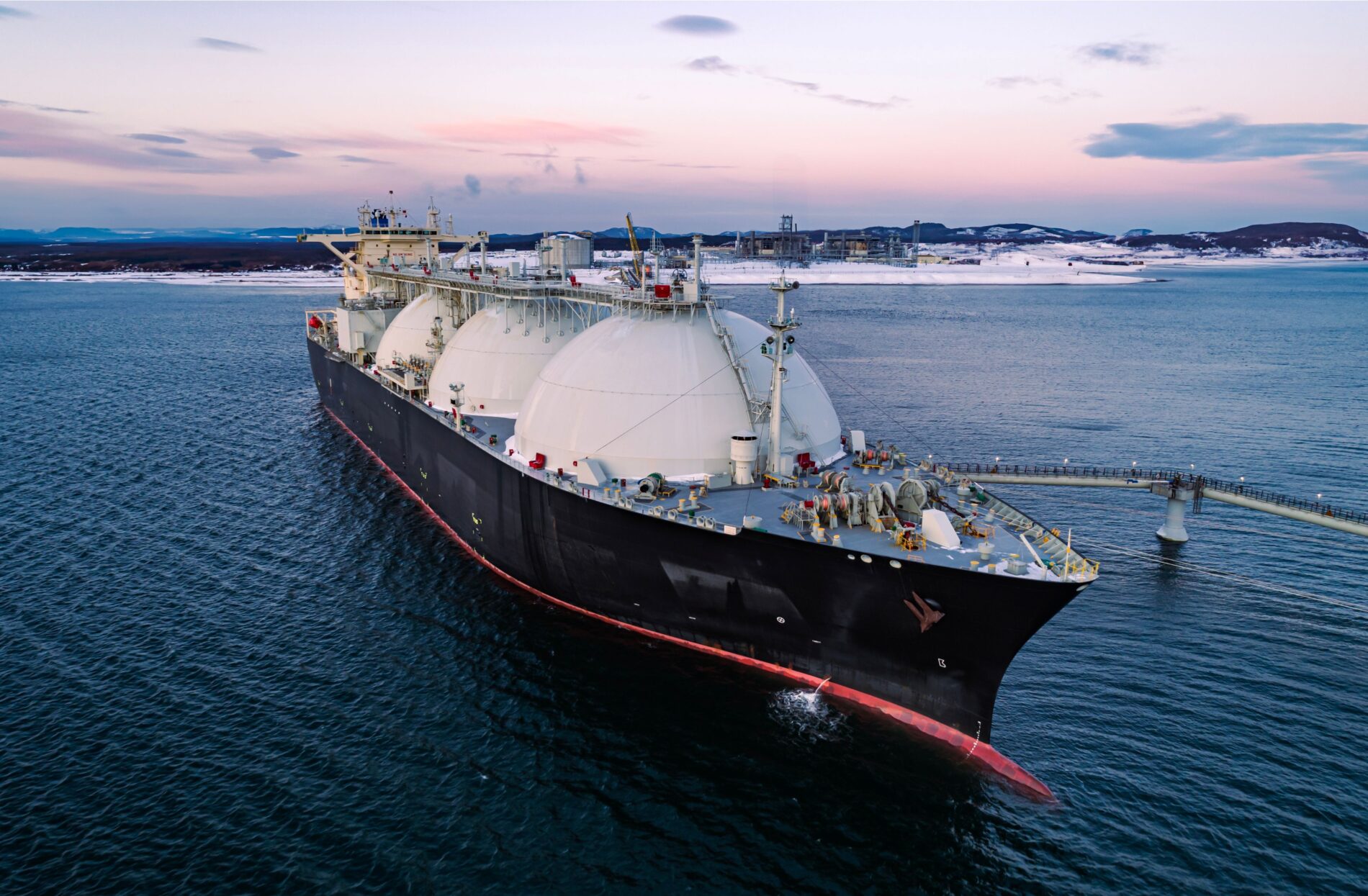
Storage levels clearly illustrate the problem. In Germany, according to the energy dashboard, reserves stood at only 21.6 percent on March 10th. The five-year average, in contrast, is 43 percent. Europe is therefore entering the next procurement phase at a distinct disadvantage. Consequently, even the diversion of just a few ships can have significant consequences. Every tanker that changes course towards Asia is one less tanker available for replenishing European storage facilities.
Asian bidding war drives up prices and shifts the market
In Asia, the situation for many buyers is even more strained. Numerous countries have to procure LNG on the spot market at short notice. This market trades freely available quantities that are not already tied to specific destinations. Unlike Europe, however, many Asian countries can only store gas for a few days. Therefore, they buy immediately as soon as available cargo becomes available.
According to Morgan Stanley, India’s reserves will only last six days, Taiwan’s ten, and South Korea’s fifteen. Japan has the longest buffer at around twenty days. Nevertheless, even there, dependence on ongoing deliveries remains high. This bidding war is already driving prices significantly higher. Before the war, the price of LNG in Asia was still below the European reference price TTF. Afterwards, it rose by 150 percent in Asia to around $25 per million BTU, while in Europe it climbed to about $19. Traders therefore prefer to send their ships to Asia. For Europe, this bidding war is thus becoming primarily a price and supply problem.
Japan is becoming a major player in the global LNG trade
Japan plays a special role in this situation. The country has reduced its dependence on gas from the Gulf region to just 11 percent. In contrast, South Korea, Taiwan, and India source around 30 percent of their gas needs from the crisis-ridden region. Furthermore, Japan covers the majority of its imports through long-term contracts. This makes the country more resilient than many other buyers in Asia.
At the same time, Japanese companies have secured far larger quantities than they consume themselves. This means they are acting not only as buyers but also as traders. According to Jogmec, around 103 million tons of LNG passed through the books of Japanese companies in 2024. This represented about 40 percent more than Japan’s own demand. In 2018, this surplus was only 18 percent. A key player is Jera, the joint venture between Tepco and Chubu Electric Power. Jera is considered the world’s largest gas buyer and controls around 40 percent of Japan’s gas volume. At the same time, the company is expanding its cooperation with the South Korean company Kogas. As early as 2025, both countries organized their first gas swaps and diverted a ship from Korea to Japan. For Europe, this means even stronger competition, while poorer countries in Southeast Asia and India are already reacting with university closures, teleworking, and shut-down fertilizer factories.