
The power outage in southwest Berlin is far more than just a technical crisis following an attack. It’s a litmus test for Berlin’s disaster preparedness. And this litmus test exposes what the Court of Auditors has already described: a lack of coordination, unclear responsibilities, and inadequate preparation (apollo-news: 05.01.26). In practice, this means: coldness, improvisation – and a state that too often only becomes visible when it wants to be photographed for media effect, but the expected help, as in the case of a 97-year-old in need of care, largely fails to materialize. (berliner-zeitung: 04.01.26)
97-Year-Old on a Cot – How Berlin Is Dealing with People in Need of Care
The case of a 97-year-old woman in need of care is not a minor detail. It is the symbol of this crisis. An elderly woman requiring care ended up on a cot in a gymnasium after the power outage.
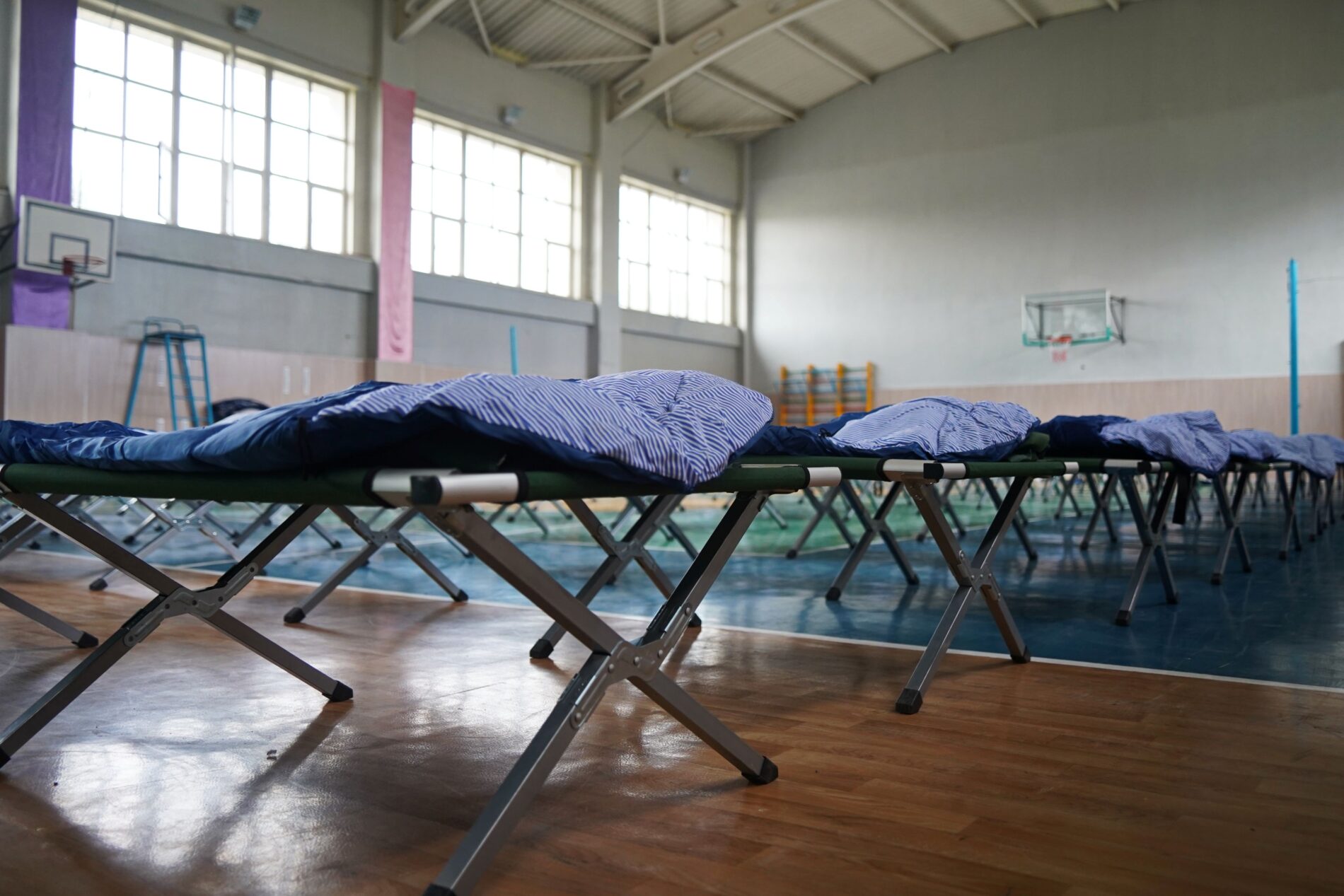
The family only learned of it afterward. The son recounts that his mother had barely eaten or drunk anything, and her condition had deteriorated. This isn’t just “inconvenient.” This is a situation in which a functioning system should immediately raise the alarm: prioritize care needs, ensure support, inform relatives, and organize alternatives. This chain of events broke. And with it, it broke at its most vulnerable point: with people who cannot protect themselves.
The photo op at the cot – and the silence behind it
Then came the scene that angered many: Governing Mayor Kai Wegner and Senator for the Interior Iris Spranger stood in the gymnasium at the 97-year-old’s cot and posed for a photograph – an image that sparked outrage on social media. Not because political visits are inherently wrong. But because the symbolism was so revealing: A show of closeness was staged while the fundamental questions remained unanswered, because, according to reports, both officials had no explanation for why the relatives hadn’t been contacted, right there at the heart of the scandal. That’s the real moment of embarrassment. When the top brass of the Senate stand by the bedside but can’t say who made the decision, who was informed, who is responsible – that’s not a communication problem. That’s leadership failure in real time.
Or put another way: Berlin gets the photo. Berlin doesn’t get the answer.
Hotel instead of emergency accommodation – but at their own expense.
At the same time, a solution is being offered that reads like a mockery: “Berlin Hotels for Berliners.” Rooms from 70 euros, booking via code, city tax waived. That sounds like help. But it’s primarily a discount scheme – paid for by those affected. Those who are cold should buy a roof over their heads. Those who can’t pay stay in the gymnasium or their cold apartments.
This creates a social imbalance that was immediately seized upon on social media: The city organizes hotel accommodation at public expense in other contexts – but when Berliners have to leave their homes in an emergency, they are offered a “special rate.” This criticism is politically charged, but it stems from a simple perception: The state finds solutions for others. For its own citizens, it simply offers a booking code.
Furthermore, the hotel offer was promoted by Franziska Giffey on social media (facebook: 04.01.25). This also fuels the debate – because it reinforces the impression that a campaign is being used to compensate for what operational crisis work should actually be doing.
Court of Auditors – The Failure Was Foretold
Perhaps the worst part is that none of this comes as a surprise. The Court of Auditors has identified shortcomings in Berlin’s disaster preparedness: inadequate implementation, insufficient overarching coordination, and a lack of clarity. These aren’t abstract administrative pronouncements. These are the reasons why, in a real crisis, no one knows for sure who is responsible for what – and why providing for the most vulnerable doesn’t happen automatically, but depends on chance.
The power outage thus serves as a cautionary tale: Berlin has warnings, but no effective implementation. Berlin has structures on paper, but in the event of an emergency, improvisation prevails.
Conclusion: A 97-year-old as a symbol of a system that fails to deliver
There are crises in which a city rallies together because leadership, procedures, and priorities are sound. And there are crises in which the state doesn’t robustly protect its citizens, but rather “manages” the situation by merely accompanying them: with visits, statements, and images.
The Berlin power outage so far falls more into the latter category. A 97-year-old woman on a cot, relatives without information, a photo shoot without answers, a hotel offer on a self-pay basis – and above it all, the question that will not disappear after this week: If this is already the worst-case scenario, what will it be like in a truly even bigger emergency?