
In Gehrden, in the Hanover region, a pilot project for a 30 km/h speed limit on a main road through the town ended on March 1st after an evaluation concluded that the measure did not achieve the expected results. The primary reason for the decision was that many drivers ignored the speed limit. The project was part of a larger traffic experiment involving several municipalities, examining safety, noise reduction, and traffic flow. The return to the 50 km/h speed limit affects residents, commuters, and through traffic alike, while those responsible consider the results to be mixed. The decisive factor was the low level of compliance with the speed limit, which represented the main risk for the project and ultimately led to its cancellation. (haz: 12.02.26)
Lack of acceptance ends pilot project
The Hanover Region aimed to calm traffic and improve the quality of life in town centers with a 30 km/h (19 mph) speed limit pilot project. Therefore, it reduced the speed limit on a heavily used stretch of road in Gehrden. However, many drivers ignored the new regulation, and measurements continued to record high speeds. The authorities deemed this insufficient and decided to rescind the measure.
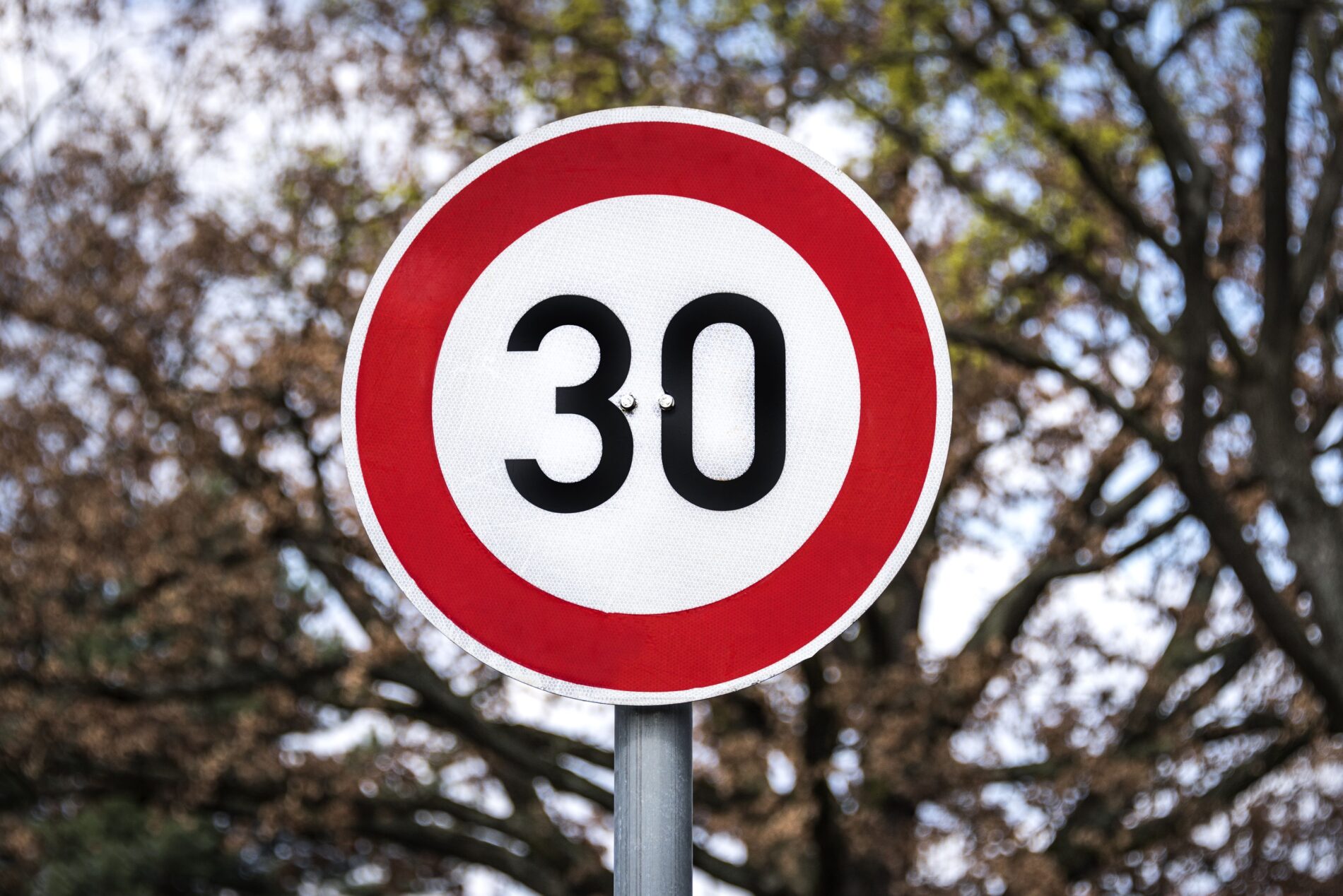
Residents hoped for less noise and greater safety, but the results fell short of expectations. At the same time, it became clear that signage alone had little effect on drivers’ behavior. Enforcement was limited, which further reduced compliance. The authorities therefore decided to revert to the previous regulations.
A pilot project with conflicting results
The project in Gehrden was part of a larger test involving several municipalities in the region. Planners examined the impact of a 30 km/h speed limit on main roads. While some locations reported positive effects, the results in Gehrden were different. The outcomes varied, even though the goal was the same everywhere.
Nevertheless, the region generally views the overall project positively because measurable improvements were achieved at other locations. At the same time, the Gehrden case demonstrates that traffic measures are heavily dependent on the local context. Road layout, traffic volume, and driving habits directly influence success. A one-size-fits-all solution, therefore, does not automatically work.
Legal Limitations Hinder Permanent Solutions
A 30 km/h speed limit on main roads can only be legally mandated permanently under certain conditions. Therefore, many measures initially run as pilot projects. Authorities require clear evidence of safety improvements or specific hazards before deciding on a permanent change. In Gehrden, the convincing arguments for continuing the measure were ultimately lacking.
At the same time, the legal situation increases the pressure on municipalities because they must provide comprehensive justification for any measures. If drivers do not accept the rules, the chance of permanent implementation decreases further. This case demonstrates that traffic planning must consider not only technical but also social factors. Without acceptance, even a well-intentioned regulation quickly loses its effectiveness.
The 30 km/h speed limit remains politically controversial
The debate about speed limits in towns and villages doesn’t end with this decision. Proponents continue to point to increased safety and reduced noise, while critics cite longer travel times and a lack of effectiveness. In Gehrden, the prevailing view was that the goal hadn’t been achieved. The return to the 50 km/h speed limit therefore marks a significant change of course.
For other municipalities, this case offers a clear lesson: traffic rules only work if drivers understand and adhere to them. At the same time, this example shows that pilot projects reveal realistic conditions before permanent decisions are made. The Hanover Region will continue to evaluate the results, while the debate about 30 km/h speed limits on main roads continues nationwide.