
BASF CEO Markus Kamieth has called into question Europe’s industrial base with an unusually clear statement, thereby intensifying the debate about the continent’s attractiveness for new major investments. In his view, the triggers are high energy costs, increasing regulation, and weak growth prospects. BASF is now increasingly focusing its investments on more attractive regions such as North America and Asia. The timing is critical, as European industry has been struggling for years with cost pressures, location disadvantages, and declining competitiveness. This particularly affects Germany, a traditionally strong chemical and industrial hub. However, the main consequence is far-reaching: if corporations build new plants elsewhere, Europe risks job losses, reduced added value, and a loss of technological prowess. (thepioneer: 14.04.26)
Declining attractiveness hits the core of the industry
Kamieth does not describe Europe as a future market for new major projects. With this statement, the BASF CEO sends a signal that extends far beyond the company. The chemical industry, in particular, is considered a leading indicator for the entire industrial sector. Therefore, if investments fail to materialize there, it will affect many downstream sectors.
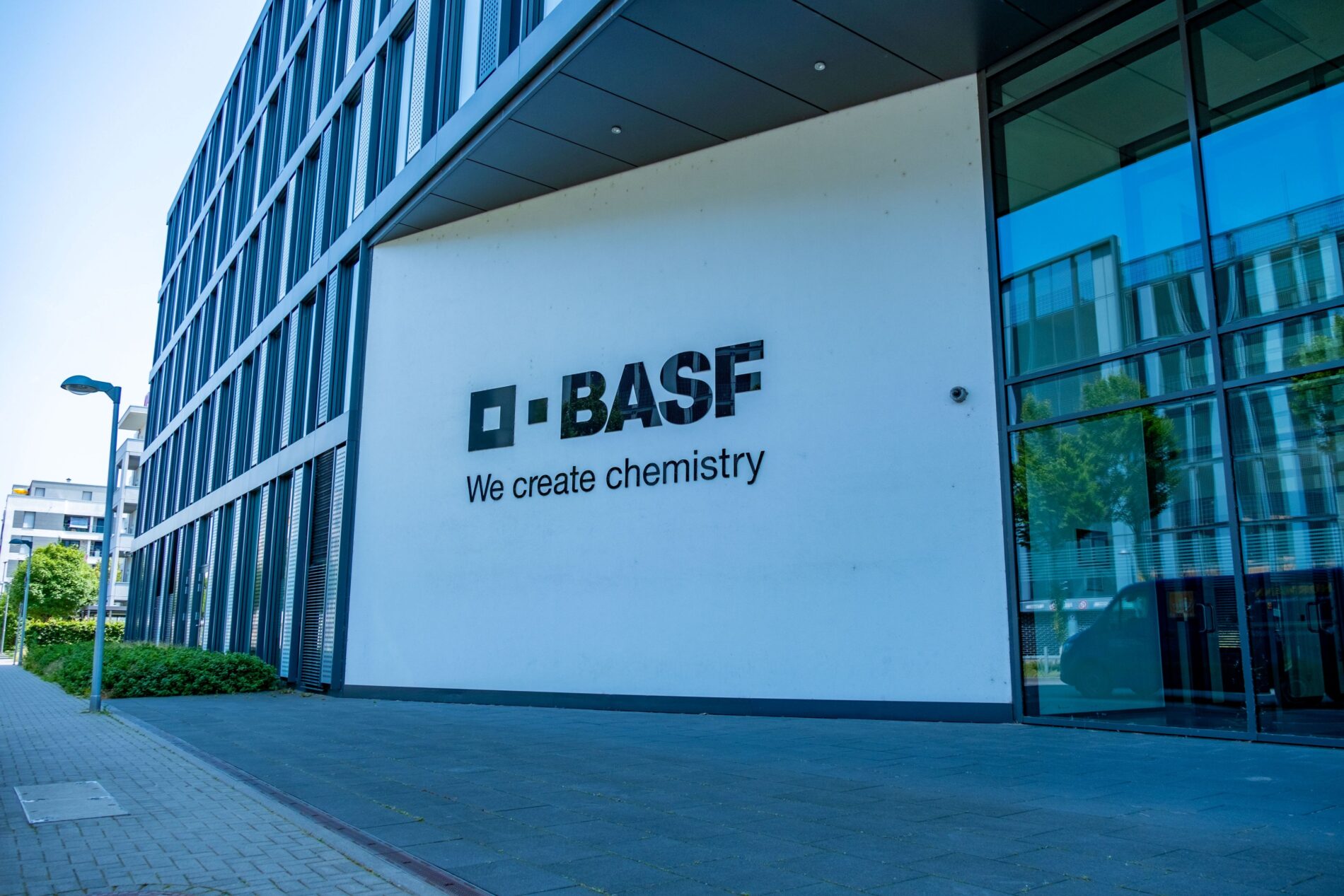
BASF is particularly critical of electricity and gas costs. Energy-intensive production requires a reliable and affordable supply. However, this is precisely what has been lacking in Europe for years. While other regions offer more favorable conditions, Europe continues to lose ground.
BASF is shifting its focus to other regions of the world
The company is increasingly turning its attention to markets with better prospects. North America and Asia, in particular, offer greater growth, lower costs, and often faster approval processes. Therefore, the decision regarding new investments is increasingly being made against Europe. This is not a symbolic statement, but a strategic shift.
Kamieth articulates this assessment with exceptional clarity. “I would no longer invest in Europe today,” he said. This is a sharp warning to policymakers and businesses. At the same time, the statement demonstrates how much more attractive other locations now seem to be to BASF.
High costs and regulation are driving investments out of Europe
In addition to energy prices, Kamieth also cites the regulatory framework as a problem. Companies need clear, predictable, and internationally competitive conditions. When procedures are lengthy and regulations increase, uncertainty and costs rise. This further slows down investment.
This development is particularly critical for Germany. The country relies heavily on industry, exports, and energy-intensive companies. If Germany’s attractiveness as a business location continues to decline, new factories, research projects, and subsequent investments are likely to increasingly be located abroad. In the long run, this will weaken entire regions.
Consequences for Jobs, Innovation, and Competitiveness
Less investment doesn’t just mean fewer new factories. It also jeopardizes jobs, suppliers, and technical expertise. Where new plants are built, research, development, and industrial networks usually grow as well. Europe is therefore in danger of gradually losing its competitive edge.
BASF intends to continue its existing business in Europe, but its focus is shifting. This is precisely the real warning sign. When a global corporation sees new opportunities primarily outside of Europe, the attractiveness of the location for other companies also decreases. This increases the risk of sustained deindustrialization.