
On January 19, 2026, a severed cable paralyzed the S-Bahn (suburban train) on the north-south line in Berlin for several days. Deutsche Bahn (German Rail) classified the act as an attack. The Federal Police launched an investigation. The resulting signal malfunction caused widespread disruptions because central control technology was affected. Repairs were expected to take several days. (ntv: 19.01.26)
S-Bahn: How the disruption unfolded
The damage affected the signaling system between Gesundbrunnen and Nordbahnhof stations, causing a disruption to regular service. Technicians quickly located the fault, but a severed cable for signal control requires testing and approval. As a result, S-Bahn service was limited, and many trains terminated early.
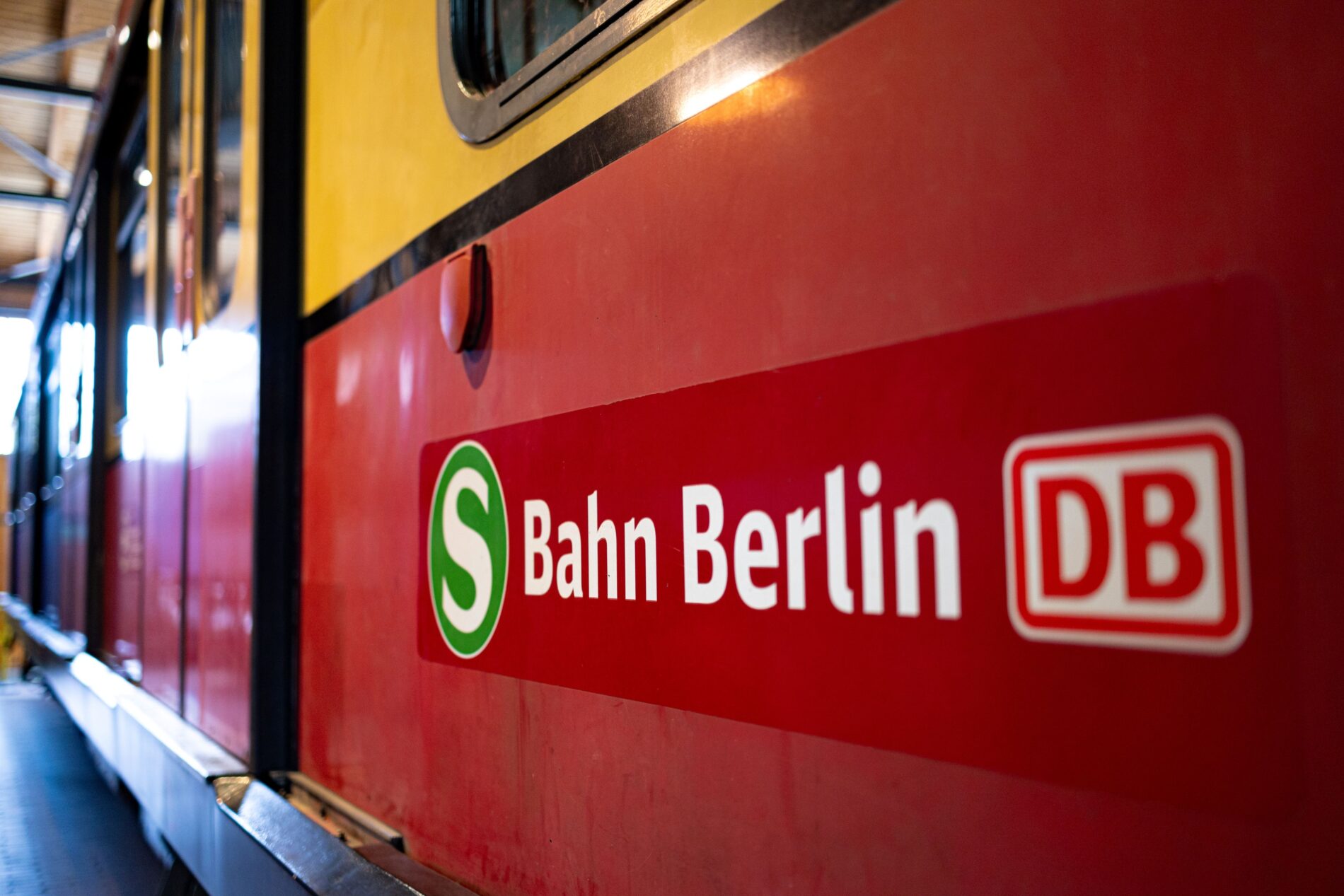
The disruptions affected several lines because the north-south route is acting as a bottleneck. According to situation reports, the S1, S2, S25, S26, and S85 lines were particularly affected. The S-Bahn (suburban rail) had to drastically reduce service frequency. Passengers had to switch to the Ringbahn (circle line), the U-Bahn (subway), and buses, and the stations became noticeably more crowded.
Suspected Attack and Investigation
Deutsche Bahn (German Rail) described the incident as an attack and assumes it was a deliberate act of sabotage. The Federal Police examined evidence at the scene and searched for clues about the perpetrator(s) and the sequence of events. A motive remained unclear initially, but investigators treated the incident as an intentional interference.
The severed cable immediately disabled the signal control system. Such a signal malfunction cannot be rectified overnight. Technicians repeatedly reported the need for further inspection because signals are safety-critical and must function flawlessly. This signal defect prolonged the repairs, and the return to normal service will take several days.
What remained after the cable was cut
The Federal Police did not name any suspects and withheld details of how the incident was carried out. For many Berliners, the incident remains a warning sign, because even a single act can block the entire corridor. At the same time, the disruption demonstrated how quickly a simply cut cable can generate enormous follow-up costs.