
On September 18, 2026, another fire broke out at Vistra’s battery storage facility in Moss Landing, California. The battery fire began around 6:15 a.m. in the “Moss 300” building, which had already sustained severe damage in 2025. According to Vistra, approximately 1,200 charged battery modules ignited. As a result, residents within a radius of about one-third of a mile were required to shelter in place. There were no injuries, though Vistra shut down the adjacent gas-fired power plant as a precautionary measure.
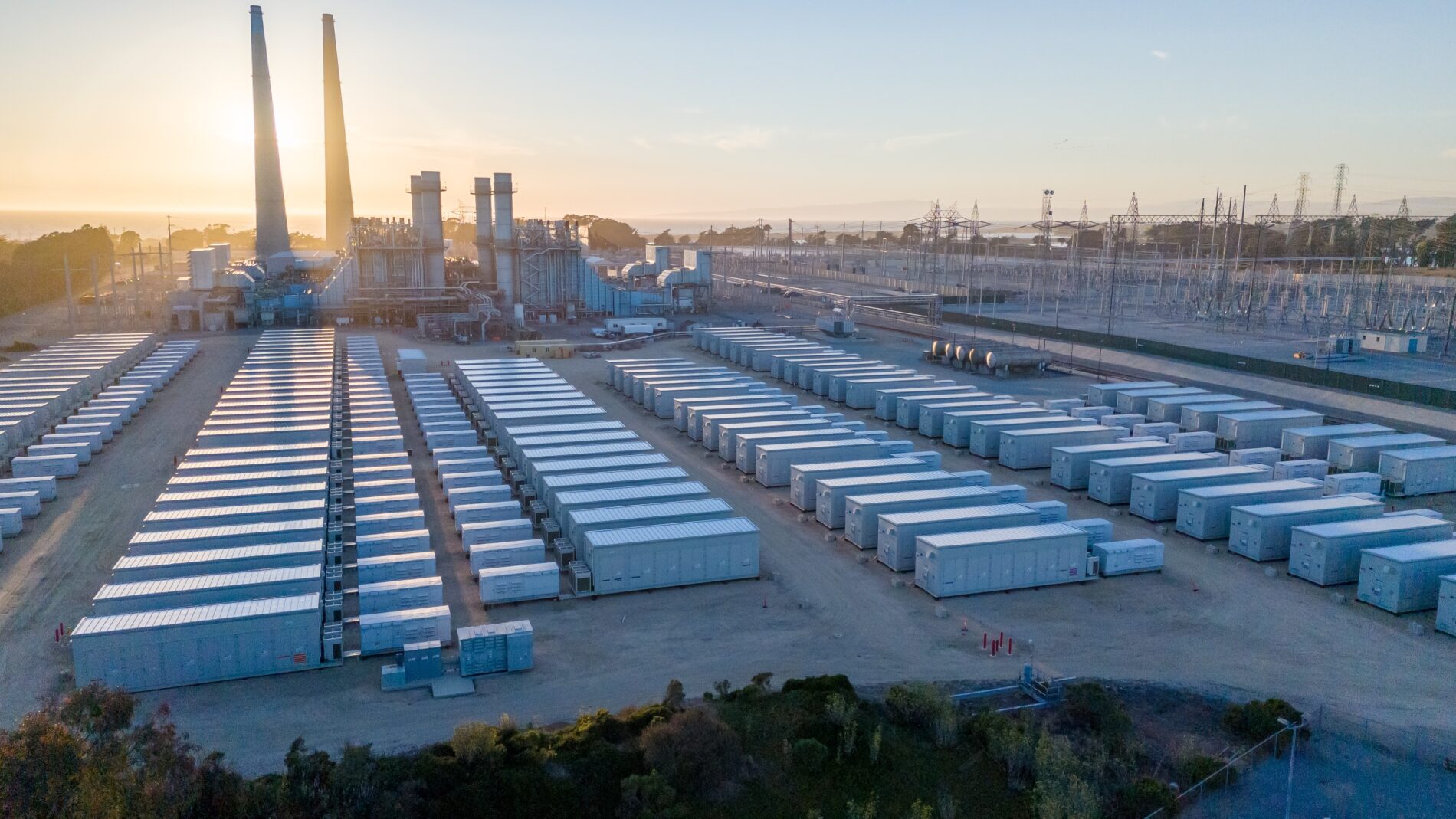
Image: Sutterstock
Battery fire in Moss Landing affects still-charged battery units
Prior to the major fire in January 2025, there were around 100,000 battery modules at the Moss 300 facility. Approximately 44,000 of them survived the blaze, and Vistra has since removed about 39,000 modules from the site. However, around 5,000 undamaged batteries remained inside the building; in some cases, they could not be safely accessed due to severe structural damage.
It is precisely this remaining stock that is now becoming a problem again. The approximately 1,200 modules that had caught fire still retained their electrical charge. Moreover, the battery fire in Moss Landing occurred during ongoing remediation work supervised by the US Environmental Protection Agency (EPA). Consequently, the risk of fire persists even more than a year and a half after the initial major blaze.
Vistra experienced serious battery-related incidents even before the major fire
The series of technical problems began well before 2025. As early as September 2021, a water-based safety system that triggered erroneously damaged batteries at the Vistra facility. Several batteries overheated and produced smoke, though investigations concluded that no fire actually broke out. Vistra subsequently had to take the 300-megawatt facility offline for inspections and repairs.
A similar incident followed in February 2022 in the adjacent 100-megawatt section of the Vistra site. Once again, water came into contact with batteries, resulting in short circuits and smoke. Vistra reported no fire on that occasion either, but the company halted the restart of other parts of the facility. These two events demonstrated early on that there were issues regarding the handling of the battery systems and their safety technology.
Major fire, re-ignition, and now another fire
The situation escalated significantly on January 16, 2025. A major fire broke out at the “Moss 300” facility, lasting several days and forcing the evacuation of around 1,200 people. On February 18, material inside the burnt-out building reignited. Authorities had explicitly stated at the time that damaged batteries could cause further flare-ups until they were removed.
The latest battery fire at Moss Landing demonstrates that Vistra has not yet been able to fully eliminate the fire risk at the site. Even after extensive remediation work, thousands of charged modules remained inside the damaged building. The EPA had announced the final phase of the cleanup as recently as September 8. Just ten days later, a portion of this remaining stock caught fire. While the fact that the affected batteries could not be accessed earlier due to the risk of collapse explains the delay, it does not eliminate the ongoing danger.
Additionally, there has been another battery fire at the Moss Landing site—though this one cannot be attributed to Vistra. In September 2022, a Tesla Megapack at the immediately adjacent PG&E facility caught fire following water ingress and subsequent thermal runaway. Consequently, the energy center has experienced a total of several serious battery-related incidents. For Vistra itself, the record includes two earlier overheating incidents, the major fire of 2025, and—by now—two re-ignition events.
Author: Blackout News
Sources: Call Matters (18.09.26) – Monterey County Now (18.09.26) – AOL (18.09.26) – CBS (18.09.26)