
The US aims to develop Greece into an energy hub by transporting more LNG to Europe via Greek terminals and strengthening its onward distribution into the regional energy infrastructure. The goal is a more stable gas supply in Southeast Europe, making it less vulnerable to supply disruptions and shortages. (riffreporter: 02.01.26)
Why Washington Prioritizes Greece as a Transshipment Hub
Greece lies on a major maritime corridor in the eastern Mediterranean. This allows for flexible LNG deliveries by tanker, independent of specific pipeline corridors. For the US, this flexibility is crucial because shipment volumes can be rerouted at short notice if demand, prices, or geopolitical risks change.
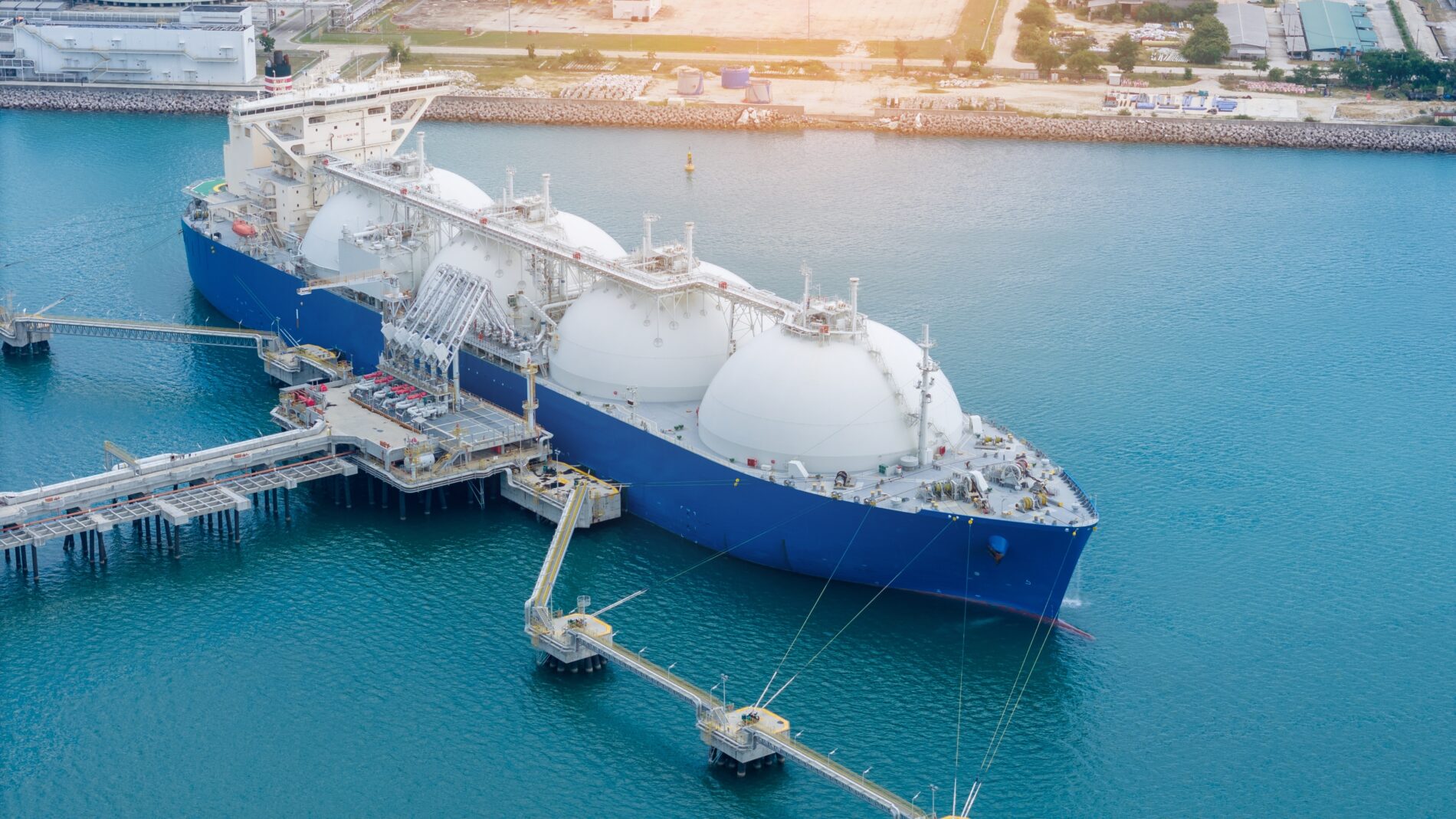
At the same time, connectivity to the hinterland is crucial. A true hub only emerges when the gas can flow quickly to neighboring countries after landing. Therefore, in addition to the ports, the focus is primarily on the energy infrastructure: interconnectors, compressors, metering and control stations, and clear rules for capacity bookings. Without these elements, terminals remain mere local import points.
Energy Hub: How US LNG is to flow into the European market via Greece
The operating principle is technically sound and economically effective. LNG arrives by ship, is unloaded and regasified at terminals, then fed into the grid and distributed via cross-border connections. This creates an additional entry point into the European gas supply that is not dependent on a single delivery route.
Washington links this approach to reliable availability. A transshipment point must deliver predictably, not just during peak times. Therefore, the US is paying particular attention to ensuring that the terminals have sufficient capacity and that the energy infrastructure can actually transport the volumes. This is precisely where the decision will be made whether Greece functions as a long-term energy hub or only provides short-term relief.
Alexandroupoli and Revithoussa: Infrastructure that enables distribution
Alexandroupoli is considered a location with a clear northward orientation. The key is not the port itself, but the ability to transport gas toward Bulgaria and further into the region. The better the network connection, the more relevant Greece becomes for regional gas supply. This increases competition between suppliers and reduces the market power of individual routes.
Revithussa remains a stabilizing factor in parallel. As an established import point, the facility can absorb peak loads and reduce operational risks, such as those associated with maintenance windows or weather-related delays. This redundancy is important for Washington because a robust hub requires multiple import points. Overall, this reinforces Greece’s role as an energy hub, because disruptions at one point do not immediately slow down the entire supply chain.
Long-term commitments: Why contracts are crucial for the hub strategy
Spot deliveries are useful, but they don’t replace infrastructure. A hub needs a base level of utilization; otherwise, investments remain expensive and capacities fluctuate. That’s why long-term agreements are gaining importance. They secure delivery windows, improve planning for operators, and increase the likelihood that LNG will flow regularly into the market via Greece.
This stability directly impacts gas supply. If consumers in the region can rely on recurring volumes, the risk of short-term supply shortages decreases. At the same time, the pressure on other supply routes to remain competitive increases. This transforms Greece not only into a recipient but also into a distribution hub in European gas logistics.
The bottleneck lies inland: networks, capacities, operations
Whether the US strategy succeeds depends on the interplay between the port and the network. Terminals can only create as much value as the energy infrastructure transports. Therefore, pipeline and compressor capacities are crucial, as are transparent capacity auctions and sound accounting rules. Without these foundations, bottlenecks threaten precisely where the hub is intended to operate.
For Europe, this means that additional LNG volumes via Greece will only provide lasting relief if transit to the region is technically and regulatory secure. If this succeeds, Greece will become a stable gateway to European gas supplies as an energy hub. This will create a corridor that diversifies supply chains and reduces crisis risks.