
The Federal Statistical Office (Destatis) is discontinuing the publication of preliminary insolvency figures. The quick overview will disappear, and the official overall picture will be available much later. This increases uncertainty at a time when insolvency filings, corporate insolvencies, and the economic situation are being closely monitored. (destatis: 12.01.26)
What Destatis is specifically discontinuing
The Federal Statistical Office (Destatis) is discontinuing the preliminary monthly figures for regular insolvencies from the insolvency notices issued by the local courts because Destatis does not consider this series to be fully reliable as official data. While the insolvency statistics will remain available, the market will lose a short-term signal. Many observers, such as banks, will now have to interpret trends later, as future publication will follow the final data.
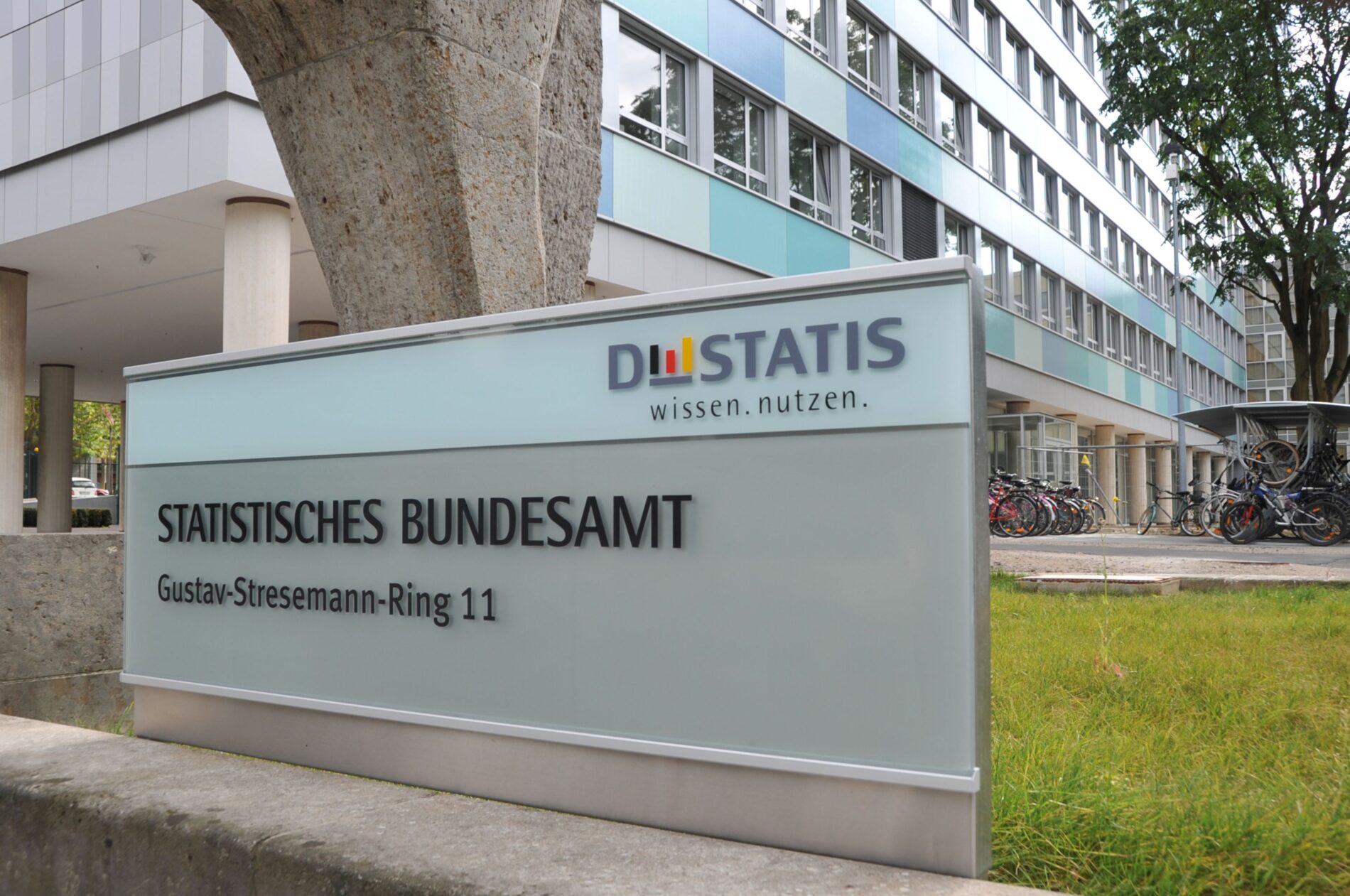
Destatis stands by its final results, but these data are being released with a delay. This postpones the debate, while day-to-day business often operates on a weekly rather than a quarterly basis. Communication also becomes more difficult, as estimates and individual cases dominate without rapid insolvency figures.
“Experimental Data” as a Quality Argument
In its explanation, the agency refers to methodology and uses clear language. The preliminary monthly figures “do not yet have the methodological maturity and reliability of official statistics” and are therefore considered “experimental data.” This sounds like quality assurance, but at the same time, the cut-off in a fragile economic situation seems like a risk to transparency.
The economy is particularly sensitive to signals, as credit lines, payment terms, and contract awards depend on expectations. When official assessments are delayed, the pressure on private leading indicators increases. This can further dampen sentiment, because uncertainty rarely remains neutral.
Time lag in insolvency filings is growing
Statistically, insolvency filings only appear after the first decision by the insolvency court, which is why official recording already takes time. If the preliminary reporting is eliminated, the gap between when insolvencies actually occur and when the figures are publicly released will widen. Many companies then base their decisions on insolvency filings from their network, even though these only provide a snapshot.
The problem is exacerbated when supply chains react before the figures catch up. Banks and insurers continuously assess risks, so the lack of a monthly benchmark can lead to more cautious assumptions. The result is stricter regulations, while businesses actually need planning certainty.
December 2025 provides the last rapid benchmark
The last preliminary month sets a stark example, as Destatis reported a 15.2 percent increase for December 2025 compared to the same month of the previous year. This figure will remain the reference point, even though no new preliminary figures will follow. This is problematic for the economy because negative headlines often have a longer-lasting impact than a later correction.
At the same time, the suspension forces a greater emphasis on evaluating corporate insolvencies based on later closing dates. This changes the public discourse, as there will be more time between insolvency filings and published figures. Consequently, there is a greater risk that discussions will have to proceed without up-to-date insolvency statistics.
Final Figures Reveal Structure, Not Pace
Final data is available for October 2025, and it paints a nuanced picture. Local courts registered 2,108 corporate insolvencies, an increase of 4.8 percent compared to October 2024. At the same time, Destatis (the Federal Statistical Office) puts creditors’ claims at around €2.6 billion, compared to approximately €3.8 billion in the previous year.
The declining total despite the increase in insolvency applications points to different case sizes, making a closer look at the underlying factors worthwhile. Large insolvencies quickly distort claim amounts, while numerous smaller cases primarily impact the liquidity of small and medium-sized enterprises (SMEs). Here, too, early insolvency figures are helpful because they provide an indication before details are available.
Sectoral Risks and National Sentiment
In October 2025, the insolvency rate was 6.1 corporate insolvencies per 10,000 companies, with the transportation and logistics sector standing out significantly. The hospitality industry follows, and the construction sector also remains conspicuous. Such patterns increase anxiety, because bankruptcies spread through orders, personnel, and financing.
If the economic situation remains weak, companies react with cost-cutting programs and postponements. This further dampens the economy, while new insolvency filings can arise more quickly. This is precisely why the discontinuation of preliminary figures seems like a step backward, because Destatis slows down public awareness.