
In Tübingen, homeowners are reporting high additional costs after switching to a heat pump. Specifically, they are facing charges of €3,332 for the final disconnection from the gas network. At the same time, a look at other German states shows that there is no uniform standard. Depending on the network operator, the charges range from zero euros to the high four-figure range. (stuttgarter-nachrichten: 22.01.26)
Tübingen: The Reason for the €3,332 Demand
A homeowner in Tübingen received a letter from the municipal utility company and was surprised. She now heats her home with a heat pump, and while the gas connection has been shut off, it hasn’t been physically disconnected. The Tübingen utility company is demanding €3,332 for the final disconnection from the gas network. According to the homeowner, the letter refers to a deadline of no more than four years.
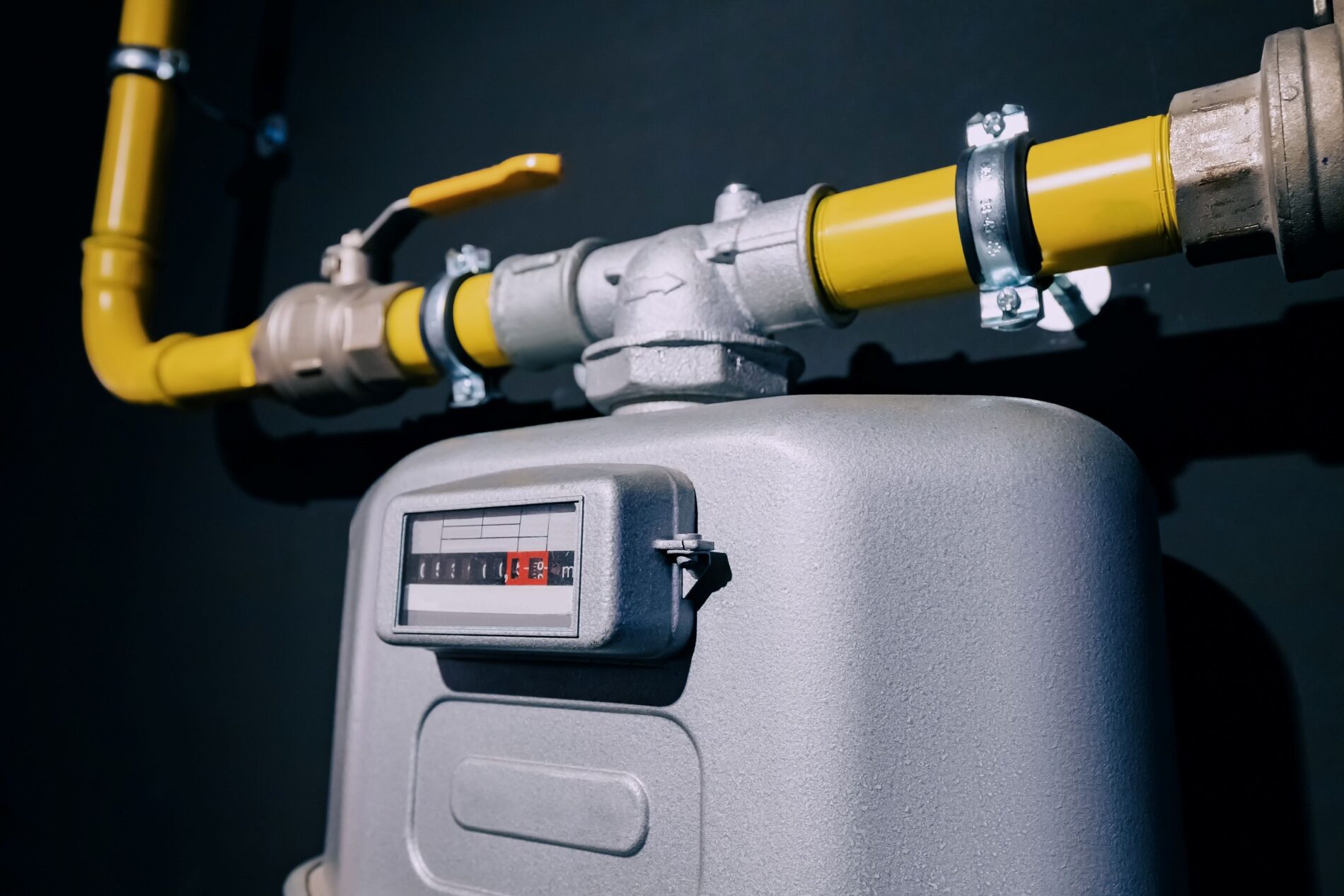
The municipal utility company confirms this basic logic and refers to a four-year “consideration period.” During this phase, the connection to the gas network remains technically in place, even though no gas is being consumed. At the same time, customers are expected to request permanent disconnection after the period expires. This will result in additional costs for many households, costs that were not initially considered when replacing their heating systems.
Inspections, effort, and the polluter-pays principle as key arguments
The Tübingen municipal utility company primarily justifies its policy on operational and safety grounds. “Regular inspections are mandatory for safety reasons during the four years,” says a spokesperson. These inspections incur additional costs that would otherwise be borne by the remaining customers. The company also argues that network charges will be lost if the gas connection is no longer in use.
Furthermore, the polluter-pays principle serves as a legal framework in their argument. “The installation or disconnection of a gas service connection involves considerable effort,” explains the spokesperson. Therefore, the costs have so far been passed on to the customer, based on the Low-Pressure Connection Ordinance (NDAV). This ordinance describes disconnection as a technical measure that cannot be carried out “on the side.”
The Oldenburg ruling changes the situation
However, this very cost practice has come under considerable pressure from case law since the end of 2025. The Higher Regional Court of Oldenburg ruled on December 5, 2025 (6 UKl 2/25) that charges for disconnecting a gas network connection based on Section 9 of the NDAV may be inadmissible. The reasoning: Disconnection is not a “modification” of the network connection within the meaning of the regulation. Furthermore, the ruling is not yet legally binding because an appeal has been granted.
The Tübingen municipal utilities have taken up this decision themselves and are examining whether it is applicable to their local case. Should this be the case, they intend to suspend their procedures until the matter is definitively resolved and will not issue any invoices for the disconnections, according to a statement. This means that the additional costs for those affected depend heavily on the distinction between decommissioning, disconnection, and dismantling.
Nationwide: A patchwork of fees and models
Across Germany, the situation is highly inconsistent, and this is precisely what makes planning difficult for homeowners. An investigation by SWR (Southwest German Broadcasting) describes the range of additional costs as ranging from “free” to €8,000, depending on the network operator and the specific measure. Reports of flat fees in the range of approximately €100 to €2,300 for decommissioning continue to circulate, even though the Oldenburg court ruling has already been issued.
A survey by the North Rhine-Westphalia Consumer Center is particularly revealing: It states that decommissioning is free of charge for about two-thirds of the network operators surveyed. The remaining third cite an average of around €930, and the average costs for dismantling are significantly higher. At the same time, network operators in the survey cite safety and maintenance arguments, similar to those in Tübingen.
Similar cases in other cities: Examples of fees and standby charges
Weiden provides a concrete example: The municipal utility there cites disconnection costs of around €1,200, with many customers opting for decommissioning due to the amount. At the same time, the document describes annual expenses for testing and maintaining unused connections. This illustrates a typical pattern in Weiden: a one-time payment for disconnection or ongoing costs for an inactive connection.
Other operators rely on standby charges as soon as a connection remains unused for an extended period. Netze Südwest will charge a standby fee of €71.40 per year for inactive network connections starting in 2025. Mühlacker municipal utility also mentions an annual standby fee after 12 months of non-use, and only after that do chargeable steps such as decommissioning or dismantling come into play. Thus, in many places, there is a financial incentive to choose a permanent solution.
What those affected in Tübingen should clarify now
For Tübingen households, the first priority is clarifying the terminology, as network operators use these terms differently. Decommissioning often means “out of service,” while disconnection or dismantling refers to a physical measure in the ground or at the building connection. It is also advisable to request in writing exactly which services the €3,332 covers and on what legal basis the claim is made. At the same time, those affected should keep in mind the ruling of the Higher Regional Court of Oldenburg, as it specifically concerns decommissioning fees under Section 9 of the German Network Access Ordinance (NDAV) and thus affects the line of argument used by many operators.