
The renovation of the railway line between Hamburg and Berlin is drawing criticism because travel time is increasing despite an investment of at least €2.2 billion. After completion of the construction work, the fastest ICE train will take 107 minutes instead of the previous 103 minutes. Furthermore, the line will remain closed for several weeks longer than originally planned. The longer travel times after the renovation are causing concern. Regardless, the line will remain closed for several weeks longer than initially planned. Deutsche Bahn cites an overloaded network, congested hubs, and complex timetable structures as key risk factors, which is why commuters and long-distance travelers will have to accept disruptions and longer journeys. (sueddeutsche: 26.02.26)
Renovation and Travel Time – Why the Connection Is Getting Slower
For many years, the fastest connection between Hamburg and Berlin took 103 minutes. However, in 2025, the railway company already increased the travel time by two minutes. After the completion of the renovation, another two minutes will be added, meaning the fastest connection will now take 107 minutes. This development is causing confusion, as the line is considered an important high-speed corridor. The railway company only confirmed the new travel times after repeated inquiries, which further intensified public criticism.
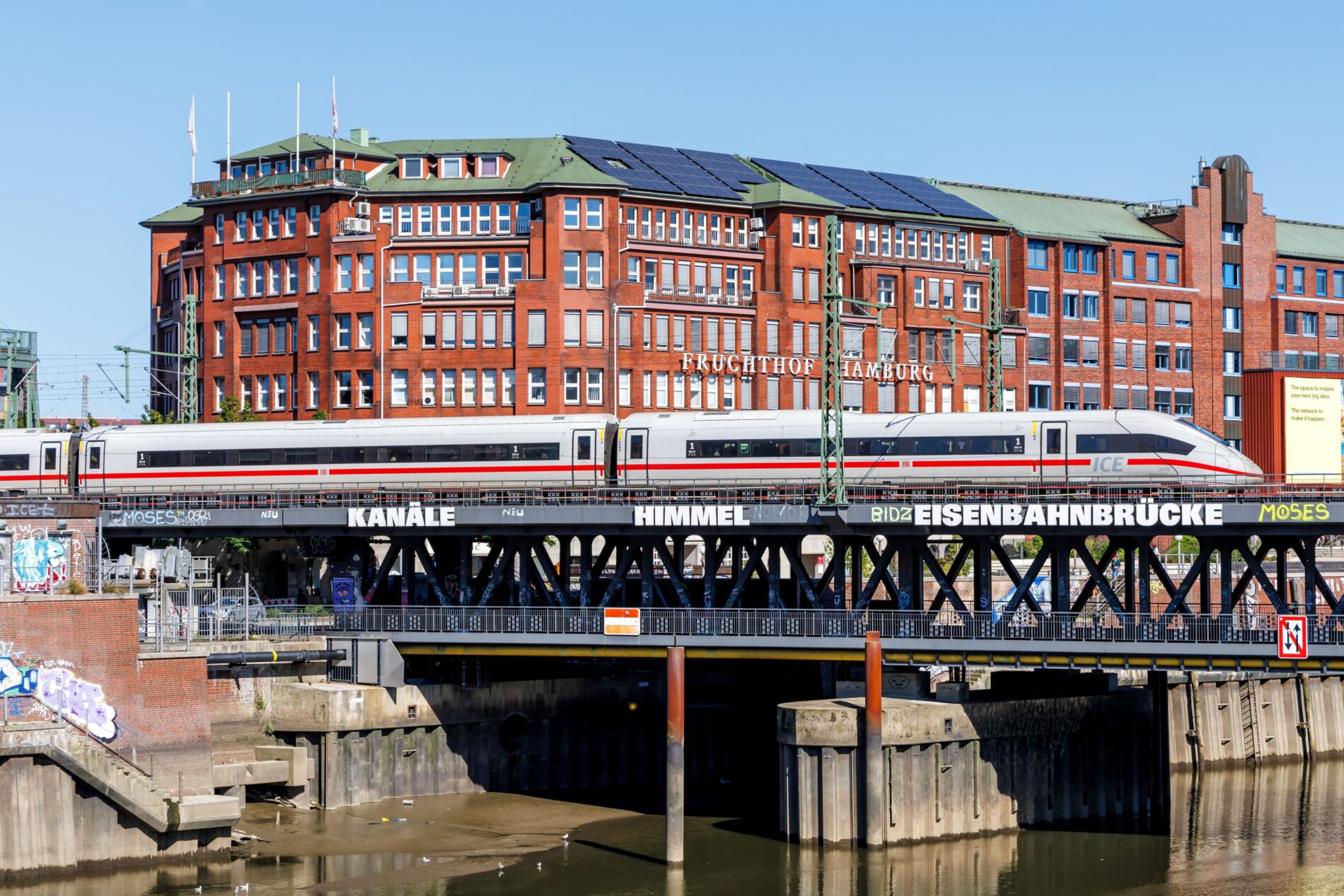
The extra minutes may seem insignificant, but they symbolize a larger problem. Billions have been poured into expansion and modernization over the years, yet passengers are still facing longer travel times. Experts therefore see structural weaknesses in the overall system. At the same time, doubts are growing as to whether the goals of the upgrade align with travelers’ expectations.
Old Upgrade Promises and Today’s Reality
As early as the beginning of the 2000s, the railway company upgraded the line to speeds of up to 230 kilometers per hour at a cost of around 650 million euros. At the time, a travel time of 90 minutes was envisioned, but this proved unsustainable. The journey time initially increased to 93 minutes and later to 95 minutes. A government response from 2021 cited the age and wear and tear of the infrastructure as the main reasons for the longer travel times.
However, this argument no longer applies after the recent upgrade, as the line has been comprehensively modernized. Nevertheless, the travel time has increased again, which experts consider a step backward. Many observers are therefore asking why a modernized high-speed line is not fulfilling its potential. The discussion reveals the vast gap between expectations and reality.
German Rail points to network problems – experts remain skeptical
A spokesperson for Deutsche Bahn explains that the longer travel times are not a consequence of the upgraded infrastructure. Instead, the delays arise from a complex timetable system, as the Hamburg and Berlin hubs are heavily congested. Additionally, dense local transport influences the planning, while neighboring lines also impact the timetable. The rail company argues that operational constraints necessitate more buffer time.
Transport expert Christian Böttger strongly disagrees with this account. He criticizes the rail company’s changing explanations and warns of a loss of passenger trust. He states: “The DB’s constantly changing excuses are worrying.” In his view, greater transparency is needed because expectations were significantly higher after the upgrade.
Internal Criticism and Reduced Project Goals
There is also internal criticism, as employees consider the gradual increase in travel times to be strategically problematic. One employee, who wished to remain anonymous, said the railway was “falling far short of our own expectations.” He criticized the fact that increasingly larger time buffers were being planned, even though the potential of the line remained untapped. This statement also points to internal tensions, as open criticism is apparently unwelcome.
Furthermore, planned measures to increase capacity have been reduced. Instead of the originally planned eleven crossovers, only six were built, and the announced ETCS train control system was not implemented. The railway, however, emphasizes that faster connections were not the primary focus. The main goal of the upgrade was to increase the reliability of the infrastructure and reduce operational disruptions.