
The ADAC’s stance on the CO2 tax is alienating many members, as it effectively accepts higher fuel prices as a necessary means of exerting pressure. For millions of drivers, this doesn’t mean “steering” their behavior, but rather an additional burden in their daily lives, regardless of whether they can switch to electric vehicles. Commuters, tradespeople, and families in rural areas are the first to bear the brunt, because alternatives are lacking and the infrastructure isn’t keeping pace. When the ADAC, of all organizations long considered the champion of motorists, defends rising fuel taxes, it appears to be a breach of its own mission. At the same time, the club is advertising fuel discounts. This very contradiction reinforces the impression that the policy hasn’t been fully thought through. (presseportal: 23.12.25)
ADAC and the Call for Higher Prices
In an interview with the “Neue Osnabrücker Zeitung,” ADAC Vice President for Transport Gerhard Hillebrand makes a clear statement. He calls the CO2 tax the right lever. The message is: Fuel prices should rise so that climate goals can be achieved. Politically, this is convenient because the price at the pump has a visible effect, but socially it is unpleasant because it primarily affects those who have no choice.
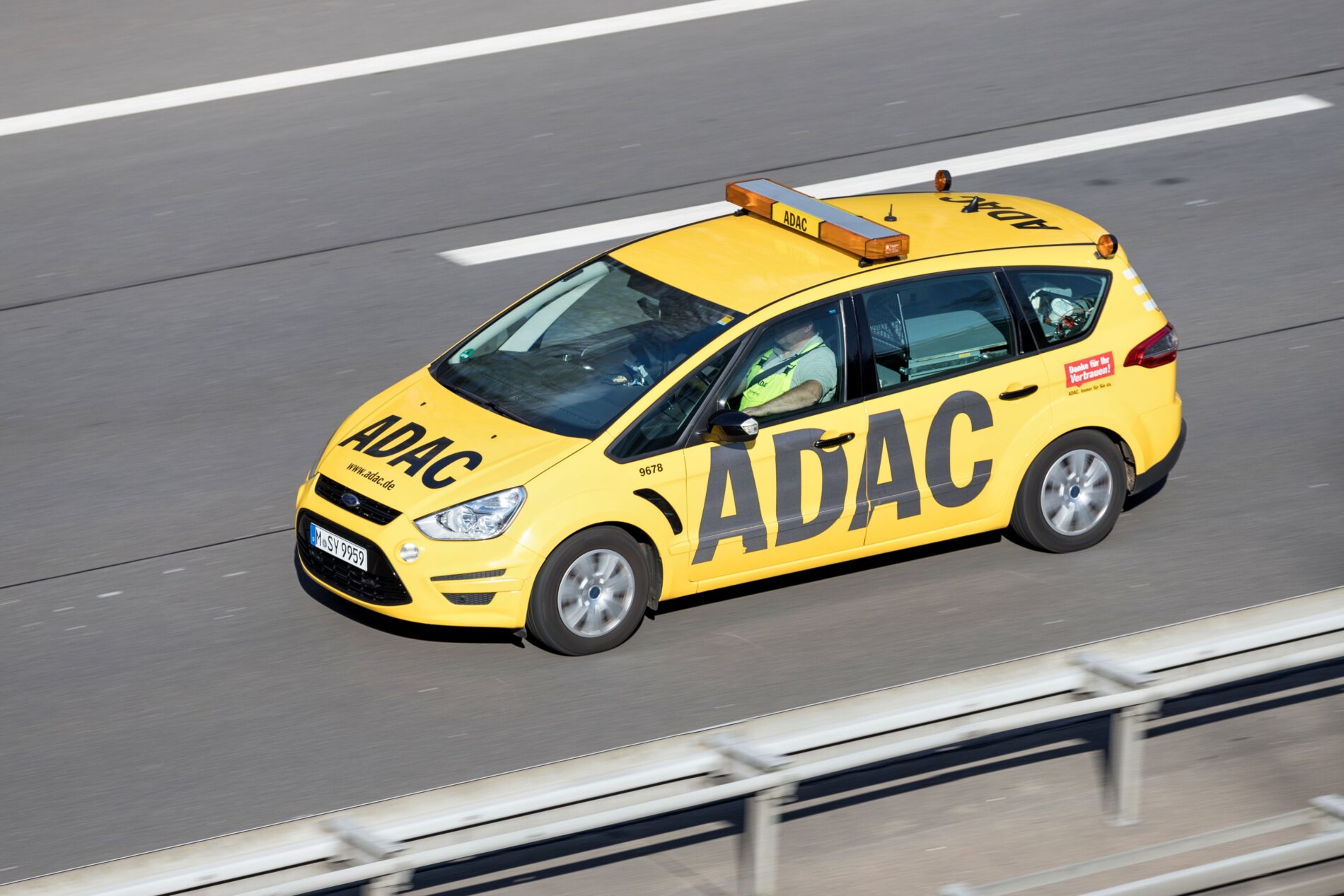
Hillebrand links the approach to electromobility and calls for lower electricity prices. He states, “Only when charging becomes cheaper than fuel will electromobility really take off,” and thus argues consistently from the perspective of the switchover. Nevertheless, the core issue remains: those who cannot afford to switch today will pay more, and this group makes up the majority of the membership.
The logic of the tax impacts everyday life, and discounts act like a fig leaf
In everyday life, the CO2 tax feels like a permanent increase, and it adds up to insurance, maintenance, and repairs. Many households budget tightly, and every additional increase in fuel costs eats into leeway that is lacking elsewhere. The climate price may be economically justifiable, but it needs a comprehensible transition plan; otherwise, it will be perceived as a punitive tax.
This is precisely why the club’s fuel discount stands out so incongruously. A price reduction of a few cents feels like a consolation prize because it doesn’t stop the trend, but it serves as a marketing argument. Those who advocate higher fuel prices can hardly simultaneously artificially lower the price per liter and thereby suggest that they are noticeably helping drivers. This double standard weakens their claim to represent the interests of their members.
Electromobility needs speed, but the path to get there must not be one-sided
Electromobility can grow faster if charging is reliable and electricity prices are significantly lower than refueling, which is why the demand for relief on electricity costs is logical. Nevertheless, switching remains expensive for many because purchase costs, charging points, range, and usage profiles don’t align everywhere. As long as this is the case, any increase via the CO2 tax primarily means one thing: higher fuel prices for those who can’t yet switch.
If the automobile club wants to credibly represent this course, it must clarify its role and provide concrete safeguards for the transition. This includes either consistently explaining the fuel discount or ending it altogether, so that the policy doesn’t appear opportunistic. Otherwise, the impression remains that the ADAC supports climate goals but then presents the bill to its own members, and that’s precisely what causes resentment.