
The Czech population strongly supports the expansion of nuclear energy. According to a representative Ipsos survey, 77 percent of citizens favor the further development of nuclear power. At the same time, 93 percent agree with the goal of ensuring the country’s energy independence. Against this backdrop, the planned construction of two APR1000 pressurized water reactors at the Dukovany site is gaining prominence. Many respondents directly associate the project with greater energy independence, stable prices, and long-term security of supply. (nucnet: 08.12.25)
The population prioritizes economic and strategic advantages.
The reasons for the high level of support are clear: economic savings are paramount. A large portion of the population expects lower and more predictable electricity costs. At the same time, the environmental aspect plays a role, as nuclear power is perceived as a low-emission energy source. Furthermore, there is a desire for political autonomy, because domestic generation appears less vulnerable to external crises.
It is also noteworthy that this stance is not new. For years, there has been stable support for nuclear power. However, the current survey confirms that this conviction has further solidified, particularly following international turmoil in the energy markets.
Energy independence of central importance, according to survey
The 93 percent approval rating for independent electricity production underscores the strategic dimension. Energy independence is considered by many citizens to be a prerequisite for national stability. Import dependencies are thus becoming less acceptable, while predictable self-sufficiency is gaining in attractiveness.
This perspective also explains why nuclear power is often seen as a key pillar. Although renewable energy sources receive support, some respondents doubt their reliability on their own. The combination of several technologies therefore appears to be the most realistic approach.
Dukovany and the expansion of reactor capacity
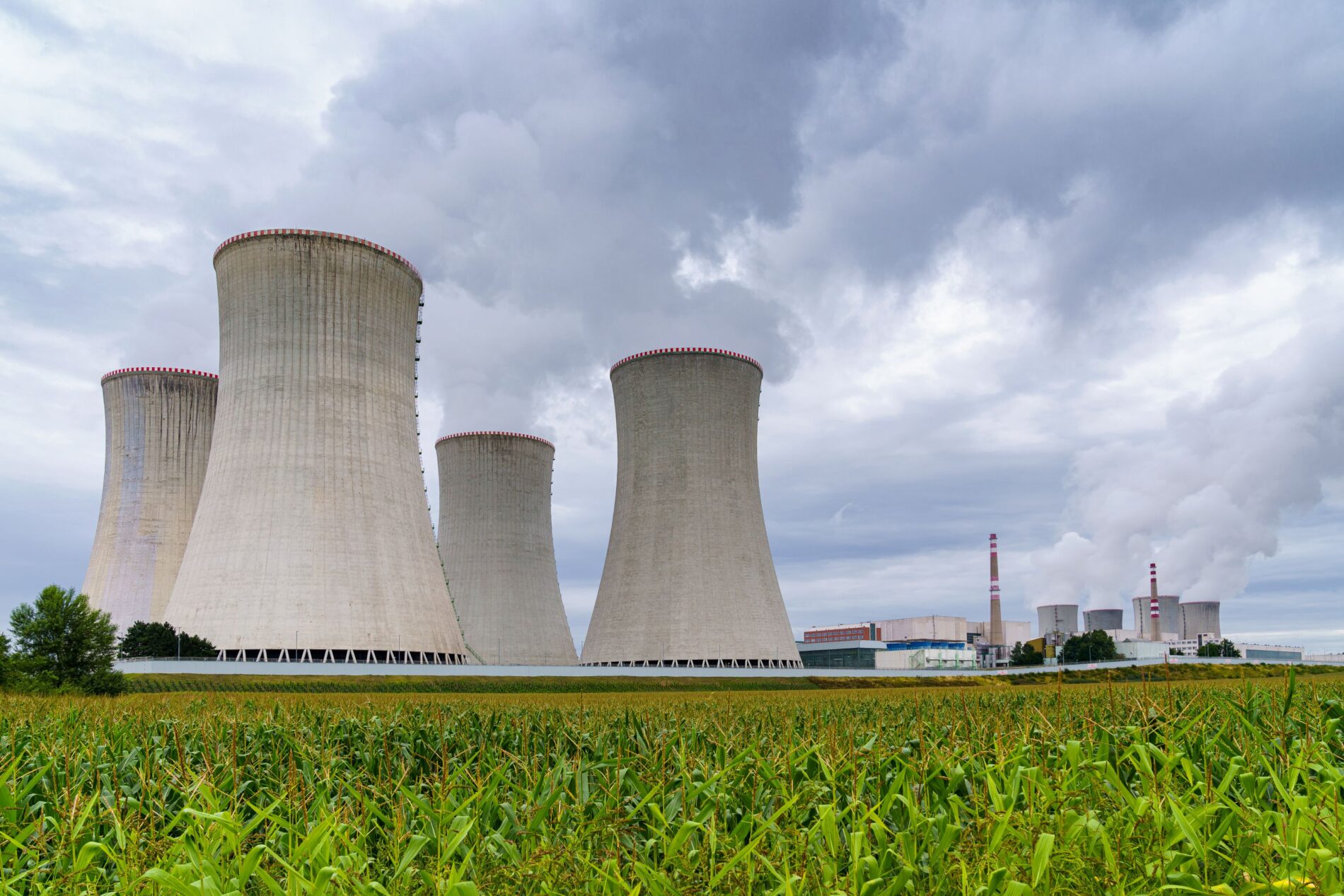
The Dukovany site is at the heart of the expansion plans. The Czech Republic already operates four Soviet-built VVER-440 reactors there. The national system is complemented by two larger VVER-1000 units at the Temelín nuclear power plant. This existing infrastructure significantly shapes public perception, as decades of operational experience build trust.
The planned APR1000 reactors are intended to expand this foundation. The supplier is Korea Hydro & Nuclear Power from South Korea, with whom a contract already exists. This international collaboration reinforces expectations of high technical standards.
Nuclear Energy vs. Renewable Sources
More than half of those surveyed prefer nuclear energy for electricity generation over renewable energy sources alone. However, the survey reveals no either-or mentality. The majority considers a balanced mix ideal because consistent output and flexible feed-in complement each other effectively.
This attitude explains why energy policy debates are becoming increasingly fact-based. Ideological divides are losing importance, while security of supply and price stability are the deciding factors.
Influence of Media and the Energy Crisis
Ipsos attributes the consistently high level of public support in part to positive media coverage. The planned expansion in Dukovany, in particular, is receiving widespread public attention. Concrete projects seem tangible and strengthen trust in political decisions.
An energy expert from Ipsos succinctly summarized the trend. In a translated statement, he explained: “The demand for energy independence has long been very strong in the Czech Republic.” This sentiment has intensified further since the start of the war in Ukraine and the subsequent energy crisis. He added that nuclear power plants play an “irreplaceable role” in national energy supply.
Long-Term Experience Strengthens Acceptance
The six existing commercial reactors have been supplying electricity for years without major interruptions. This operational practice has a lasting impact on public perception. Safety debates are based on real-world experience rather than theoretical assumptions.
Overall, the data paints a clear picture. The Czech population supports nuclear power not out of habit, but because of clear economic, environmental, and strategic advantages. The planned expansion with APR1000 reactors thus fits logically into a long-term energy policy.