
The center-right/center-left coalition passed a new fuel price cap in the Bundestag, but a statement from the CDU was at the heart of the debate. Jürgen Hardt declared that drivers could be expected to pay “20 or 25 euros more per tank” for a limited time. This was prompted by the sharp rise in fuel prices and accusations that oil companies were exploiting the situation for additional profits. The law strengthened the Federal Cartel Office by reversing the burden of proof, and also limited gas stations to raising their prices only once a day at noon. At the same time, unlike other EU member states, the federal government refrained from reducing fuel taxes. Therefore, the risk of continued high costs remained for commuters, tradespeople, and businesses with frequent trips. (bild: 26.03.26)
An extra €25 per tank of fuel dominated the debate
The political reaction to the decision was primarily shaped by Jürgen Hardt’s statement. The CDU politician said: “I believe it’s reasonable to expect drivers to pay, for example, €20 or €25 more per tank of fuel for a limited time.” With this, he sent a clear signal, even though many households were already suffering considerably from high fuel prices.
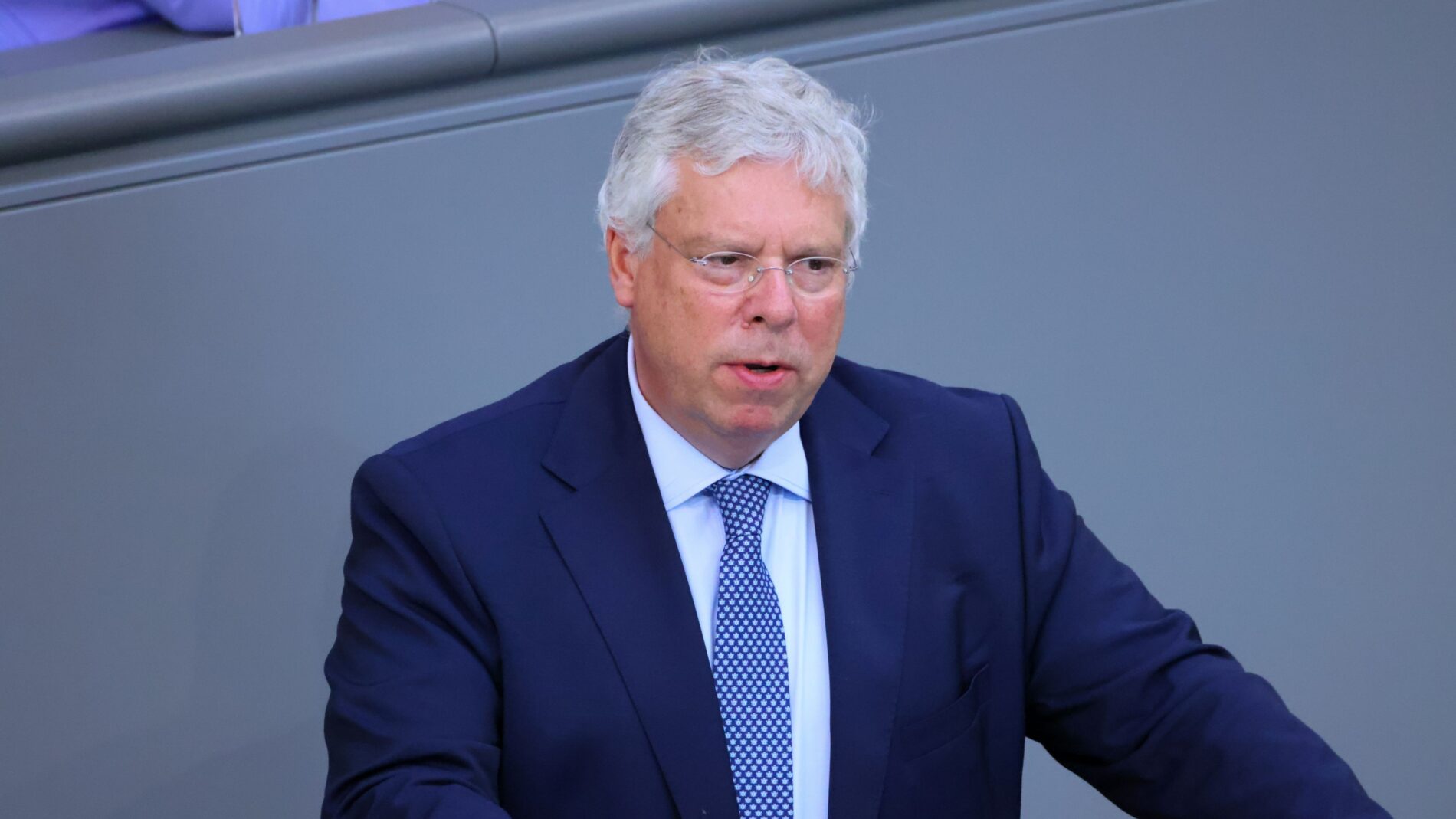
Hardt also made it clear that he didn’t see this as a compelling reason for immediate aid. While it was certainly unpleasant, it didn’t automatically trigger new measures. However, for tradespeople and anyone who drives a lot for work, it was “of course a huge challenge.” For these groups in particular, every more expensive tank of fuel directly impacts their daily lives and budgets.
Government Opts for Regulation Instead of Tax Cuts
With the new fuel price cap, the coalition government stated its intention to combat price gouging. The Federal Cartel Office was therefore granted expanded powers, while gas stations were only permitted to raise their fuel prices once per day. The federal government thus opted for market intervention, rather than direct relief through lower taxes.
This became the central point of contention. While other EU countries reduced their fuel taxes, the German government refused to follow suit. A lower energy tax would have provided immediate relief to motorists and would have directly reduced the cost of every tankful. Instead, the government stuck with a model whose effectiveness was disputed.
The ADAC (German Automobile Club) also warned of a potential counterproductive effect. A spokesperson explained that the rule could lead to “corporations raising prices immediately before the only opportunity to adjust them.” The automobile club also pointed to Austria, where a similar model is in place, but the mineral oil tax is lower than in Germany. “If we want to learn something from Austria’s example, we should primarily focus on lowering the energy tax,” said the spokesperson. However, CDU/CSU parliamentary group vice-chairman Sepp Müller rejected this, saying: “The oil companies are lining their pockets. They’re taking taxpayers’ money and inflating their balance sheets. We shouldn’t go down that road.”