
Brussels/Zeebrugge – In July 2026, Belgium sourced all its imported liquefied natural gas (LNG) from Russia. Around 0.4 million tonnes of Russian LNG arrived in Belgium, while total imports fell by more than 40 percent year-on-year. The war in the Middle East disrupted shipments through the Strait of Hormuz, leaving Russia as the sole LNG supplier. This occurred just months before the EU ban taking effect in January 2027. Furthermore, gas from Zeebrugge continues to flow into Germany via the European pipeline network.
Russian LNG replaces supplies from the Middle East
However, Belgium continues to receive pipeline gas from Norway and Great Britain. Consequently, Russia did not supply all of the country’s gas, but rather only its LNG. The last time Belgium sourced its liquefied natural gas entirely from Russia was in early 2021.
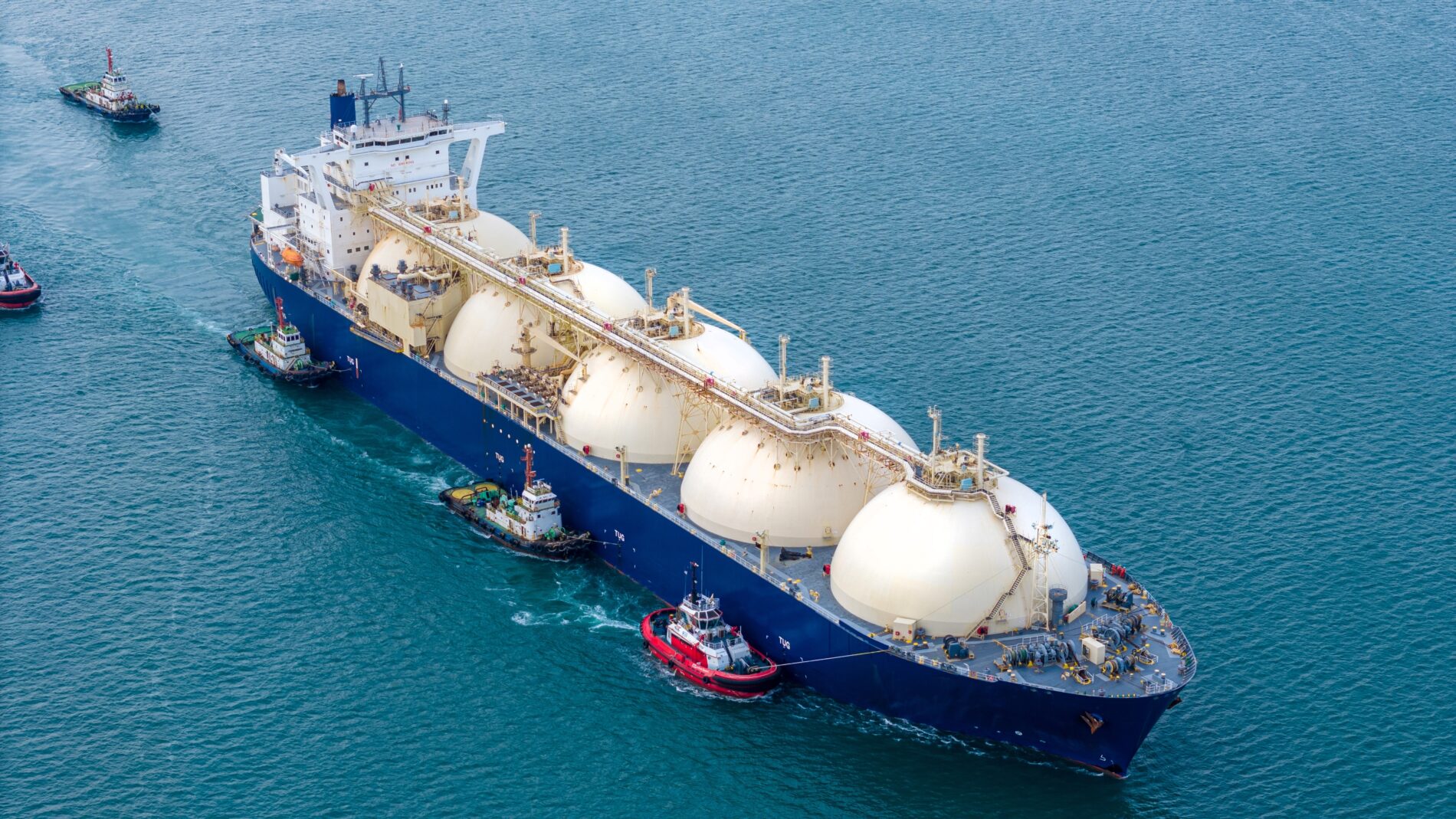
Image: Shutterstock
Conflict in the Middle East also disrupted shipping through the Strait of Hormuz. This resulted in a lack of supplies from the region, while high prices dampened additional purchasing for the winter. Russian cargoes remained available, helping to bridge part of the resulting supply gap.
Zeebrugge connects Belgium with Germany
However, Zeebrugge is one of Northwest Europe’s key LNG hubs. The terminal converts liquefied natural gas back into a gaseous state and feeds it into the integrated grid. This allows Russian LNG—once regasified—to flow into Germany and the Netherlands.
In 2025, Fluxys fed a total of 480 terawatt-hours of gas into the Belgian grid. Furthermore, pipeline flows to Germany and the Netherlands rose by nearly 40 percent compared to 2024. However, these volumes encompass supplies from all countries of origin; once the gas has been fed into the grid, it is no longer possible to specifically track individual Russian shipments.
EU ban takes effect in January 2027
The EU is banning Russian LNG sourced under long-standing contracts starting January 1, 2027. In contrast, short-term legacy contracts were permitted to run only until April 25, 2026. For Russian pipeline gas, the deadline is generally September 30, 2027; however, in the event of supply issues, a member state may be granted an extension until November 1.
The 21st sanctions package also temporarily permits the transfer of Russian LNG volumes to third countries. This exemption applies initially for one year and entails strict reporting requirements and volume limits. It does not, however, reopen the EU market; rather, it is intended to provide legal certainty for existing contractual arrangements. Nevertheless, Belgium’s figures for July illustrate how quickly supply shortfalls can drive up dependence on Russian gas again ahead of the ban.
Author: Blackout News
Sources: Berliner Zeitung (04.08.26) – Briefs Finance (03.08.26) – Knack (03.08.26) – Euromaidanpress (04.08.26)