
Germany is accelerating the expansion of wind power in 2026 through record numbers of permits and streamlined procedures. In the first half of the year, authorities approved 1,419 turbines with a combined capacity of 9.15 gigawatts. At the same time, 423 new turbines with a capacity of 2.36 gigawatts were connected to the grid. New “acceleration areas” are intended to fast-track further projects; however, within these zones, project-level requirements for environmental impact assessments, Natura 2000 assessments, species protection reviews, and checks regarding specific water-related objectives are waived. Consequently, the quality of existing data and officially mandated mitigation measures will be crucial. The consequences will be borne by local communities, residents, and wildlife species at the specific sites.
Expansion of wind power takes precedence over case-by-case assessment
The political direction is clear. Under the Renewable Energy Sources Act (EEG), renewable energies are deemed to be of overriding public interest and serve public safety. Consequently, authorities must assign them particularly high weight when weighing up competing interests. Nature and species conservation do not disappear entirely, but they lose some of their enforcement power relative to the expansion goal.
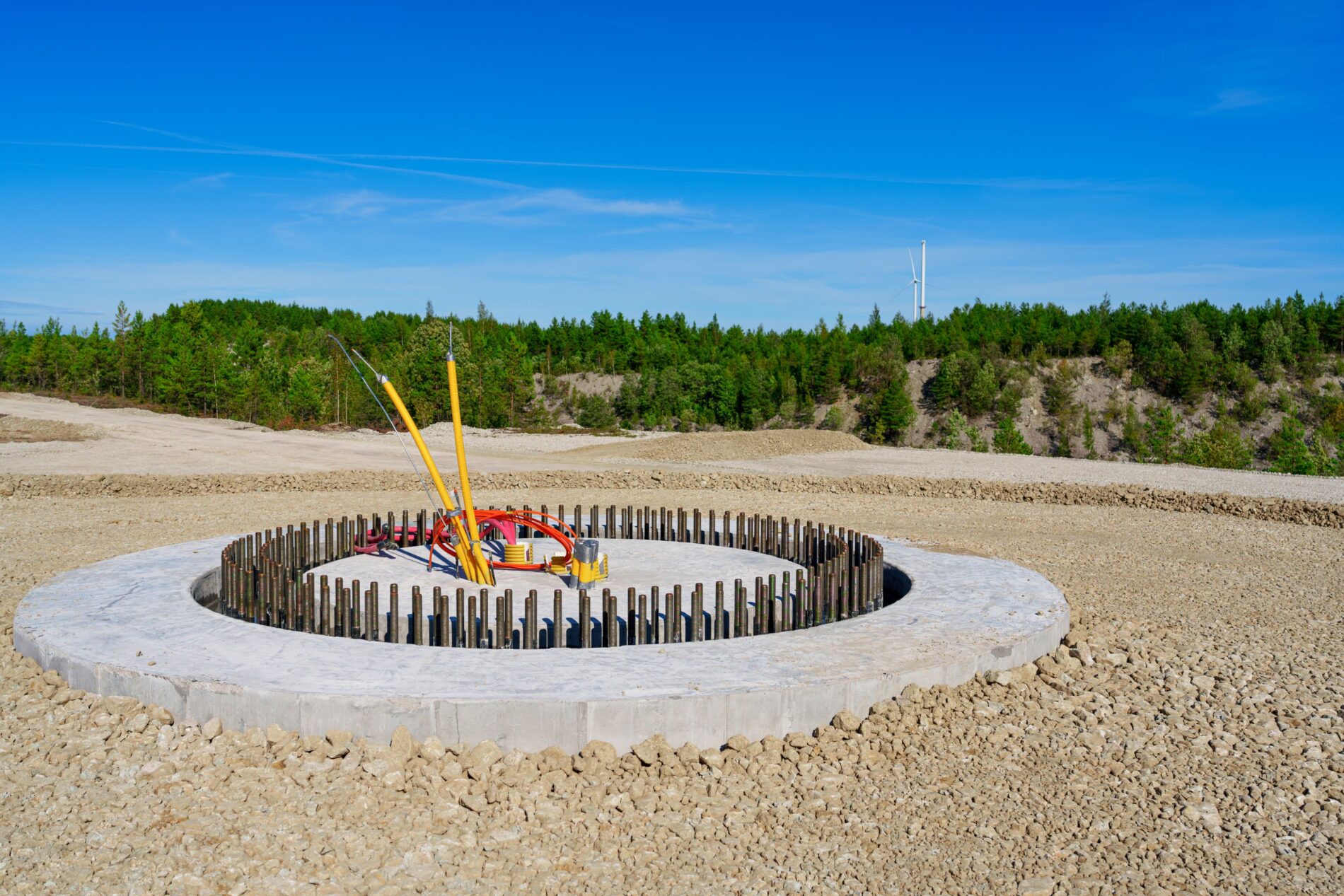
This is particularly evident in the designated “acceleration areas.” Section 6b of the Wind Energy Act (WindBG) eliminates the need for several project-specific assessments in these zones. Instead, an official review based on existing data is conducted, rendering new site-specific studies less significant. This is precisely where the problem lies, as incomplete data can easily result in protected species being overlooked.
Species protection becomes a standardized procedure
Nature conservation organizations are already warning of the practical consequences. In April 2026, NABU, BUND, and LNU criticized a digital assessment tool used in North Rhine-Westphalia. According to them, the tool relies in part on incomplete and outdated datasets. Furthermore, it curtails the professional discretion of local nature conservation authorities. Consequently, the protection of specific habitats risks becoming a merely automated administrative process.
The Federal Agency for Nature Conservation has also raised concerns. A 2026 publication reached a clear conclusion: existing planning tools are inadequate for assessing new, larger turbine models. For bats, temporary shutdowns during periods of high activity remain the only effective protective measure to date. However, such shutdowns reduce electricity yields. For this reason, the law limits protective measures based on thresholds of economic feasibility.
Expansion targets are increasingly shaping nature conservation
The expansion of wind power has long since become more than just an energy policy project; it is simultaneously altering the standards of environmental law. Instead of conducting comprehensive assessments for every site, the state is increasingly relying on advance planning, databases, and standardized mitigation measures. Where suitable measures or sufficient data are lacking, the law permits payments by the operator under certain conditions. Financial contributions can thus substitute for site-specific conservation measures, even though the impact on wildlife and habitats persists.
However, new studies reveal just how varied local impacts can be. While Bechstein’s bats remained in forests containing wind turbines, they did avoid nearby foraging grounds in some instances. Furthermore, they increased their distance from the turbines during stronger winds. Such local reactions can hardly be reliably captured using coarse or outdated datasets. Consequently, the accelerated expansion of wind power primarily saves time in the approval process, while the ecological uncertainty remains with nature, the authorities, and the affected communities.
Author: Blackout News
Sources: Deutsche WindGuard (23.07.26) – Fachagentur Wind und Solar (01.07.26) – Bundesamt für Naturschutz (25.06.26) – NABU NRW (10.04.26) – Bundesministerium der Justiz (Stand: 27.07.26)