
Germany is heading toward significant problems regarding its electricity supply. According to calculations by the Federal Network Agency, up to 35.5 gigawatts of additional dispatchable power plant capacity could be required by 2035. At the same time, low gas storage levels and rising natural gas prices are exacerbating the situation ahead of the winter of 2026/2027. Furthermore, the planned phase-out of coal is reducing available power plant capacity, while replacement facilities are lacking. As a result, risks to security of supply are increasing, as are electricity costs for both industry and private households.
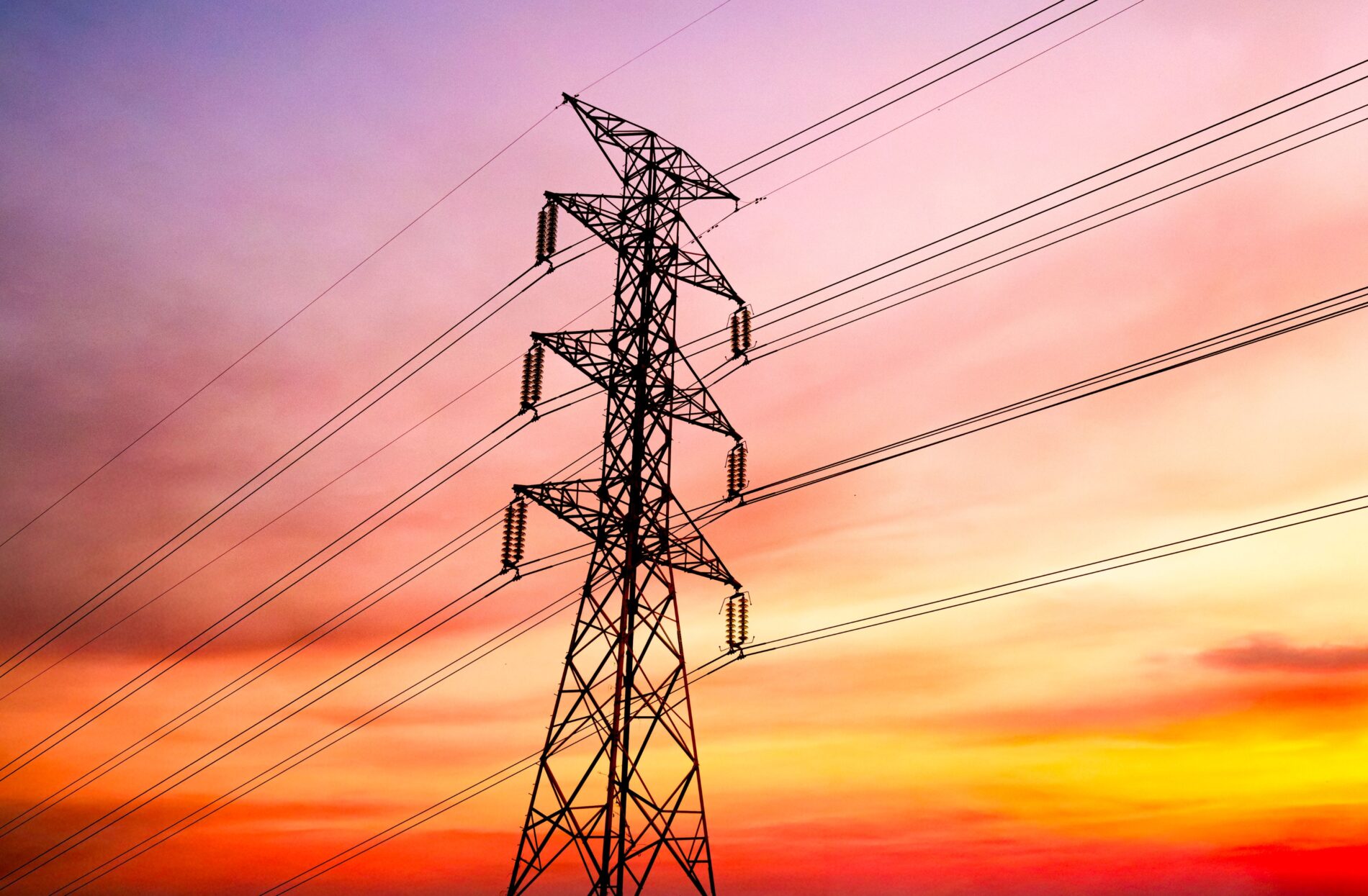
Image: Shutterstock
Power Supply: Up to 35.5 Gigawatts of Additional Generation Capacity Required
The Federal Network Agency estimates that, in a less favorable scenario, an additional 35.5 gigawatts of generation capacity will be required by 2035. In a more optimistic target scenario, this figure stands at 22.4 gigawatts. Ultimately, however, the outcome will depend on the expansion of power plant capacity, the development of renewable energy sources, and the flexibility of electricity consumption. The Federal Government is initially focusing on adding approximately eleven gigawatts of new power plant capacity—a volume that, on its own, would not be sufficient to meet the higher projected demand.
As part of the phase-out of coal, additional coal-fired power plants—representing roughly 15 gigawatts of firm capacity—are set to be taken off the grid by 2030. At the same time, the system is becoming increasingly dependent on wind and solar power. Consequently, during periods of low wind and solar output (often referred to as “dunkelflaute”), other facilities must step in to cover the shortfall. While battery storage can help smooth out short-term fluctuations, it cannot provide a solution for multi-day periods when there is insufficient opportunity to recharge. Energy economist Veronika Grimm therefore advocates for stronger market-based incentives to encourage the development of firm, reliable generation capacity.
Low gas storage levels and new EU regulations are exacerbating the situation
As of October 15, German natural gas storage facilities were only about 60.6 percent full—a significantly lower level than a year earlier. Nevertheless, the Federal Network Agency (Bundesnetzagentur) does not see an immediate threat to the gas supply. However, international supply disruptions and competition for liquefied natural gas (LNG) are making it difficult to replenish stocks. Particularly problematic are the limited LNG shipments from the Gulf region and the strained state of global markets.
European energy policy is creating further uncertainty. A total ban on imports of Russian liquefied natural gas is set to take effect in January 2027. In addition, stricter European regulations regarding methane emissions from fossil fuel imports are coming into force. Consequently, on October 14, the European Commission proposed postponing certain obligations by one year; however, this change still requires the approval of the European Parliament and the member states. In the absence of clear, reliable regulations, suppliers might hold back on entering into long-term contracts, thereby complicating procurement efforts.
Energy Transition Requires Investments of Up to 6.4 Trillion Euros
A recent study by Prognos estimates that the investments required for this transformation by 2045 will total between 5.7 and 6.4 trillion euros—an average of approximately 270 to 300 billion euros per year. However, these are not entirely “additional” costs, as a portion replaces investments in fossil-fuel technologies that would have been necessary regardless. Prognos estimates the net additional investment to be between 135 and 153 billion euros annually. The transport sector, heating supply, and electricity infrastructure, in particular, require substantial financial resources.
Furthermore, the power supply sector faces new financial burdens stemming from grid expansion and the financing of additional power plants. High grid fees are already undermining the competitiveness of energy-intensive companies. At the same time, the German federal government is planning a strategic gas reserve of 24 terawatt-hours. According to a draft bill, this could cost up to 3.08 billion euros over the course of ten years. Funding this through levies on consumers would place an additional burden on households. This creates the risk of a scenario in which both citizens and industry are forced to pay for both the expansion and the security of the energy system.
Author: Blackout News
Sources: Klimanachrichten (18.10.26) – Reuters (15.10.26) – Europäische Kommission (14.10.26) – Welt (08.10.26)