
Germany’s electricity grids are increasingly reaching their limits due to an unprecedented flood of applications for new energy facilities. In 2025 alone, 18,158 applications for grid connections for battery storage systems were submitted nationwide, with a combined requested capacity of 573.5 gigawatts. Many of these projects are unlikely to materialize, as developers often register multiple sites simultaneously. Consequently, E.ON CEO Leonhard Birnbaum and 50Hertz CEO Stefan Kapferer are warning of a dangerous trend in the energy transition. As companies compete for scarce connection capacity, there is a risk of unnecessary grid investments, delays to industrial projects, and additional costs for electricity consumers.
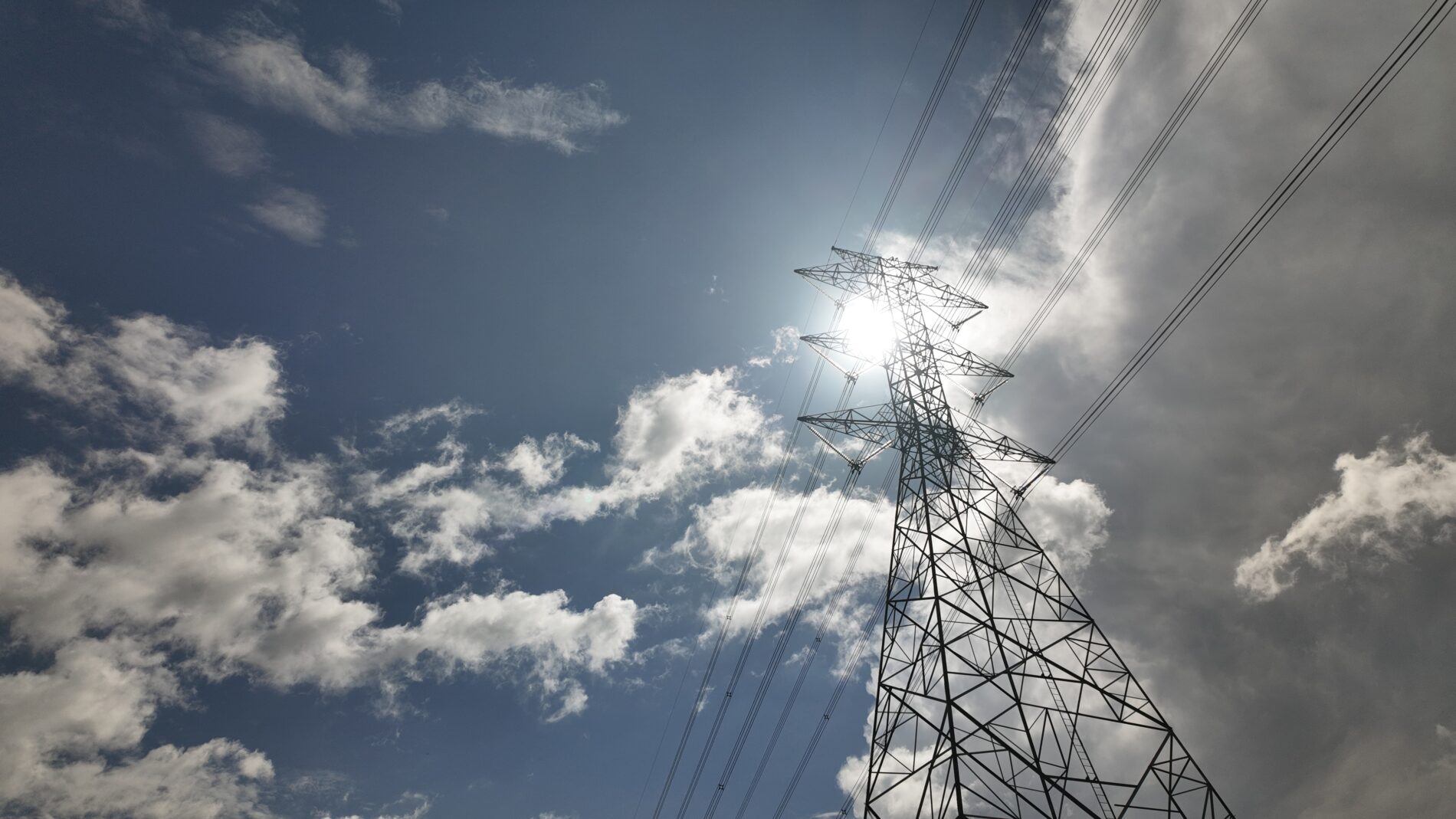
Image: Shutterstock
Thousands of grid connection requests filed – only a fraction receive approval
Figures from the Federal Network Agency illustrate the scale of this trend. Out of 17,775 applications for storage system connections to regional distribution grids, only 1,429 initially received approval—representing around eight percent. In the supra-regional transmission grid, the figure was approximately ten percent. However, a lack of immediate approval does not necessarily mean final rejection; many applications are still being processed or relate to alternative sites for the same project.
The lack of firm commitment associated with many applications is a particular issue. Project developers often request connections for multiple potential sites, even though they can ultimately realize only one of them. This creates artificially inflated demand for grid capacity. Grid operators are nonetheless required to review every application and assess potential connection solutions. At the same time, less mature projects can complicate the allocation of scarce capacity.
Grid operators warn against costly grid expansion for facilities that may never be built
The case of Mitnetz Strom illustrates just how drastically the situation has intensified. By mid-September 2026 alone, the East German grid operator had received over 10,000 applications for battery storage systems. Just under 650 larger projects accounted for around 97 percent of the registered capacity. Managing Director Lutz Eckenroth describes the atmosphere as a veritable “gold rush,” with some project developers even attempting to profit by reselling grid connection rights.
E.ON CEO Birnbaum and 50Hertz CEO Kapferer have also warned of the financial consequences of this trend. Power lines, transformers, and substations must be designed to meet long-term projected demand. However, if the facilities for which applications were submitted are never actually built, grid investments prepared in advance may prove unnecessary or oversized. Such infrastructure is financed through regulated grid fees; consequently, poor planning can ultimately place a financial burden on private households and businesses alike.
Grid connections also lacking for industry and data centers
Competition for available grid connections is no longer limited to wind farms, solar parks, and battery storage systems. Industrial companies, data centers, and new commercial sites also require significant electrical connection capacities. Yet, additional power lines and substations cannot be built on short notice. As a result, major new projects may have to wait years for sufficient capacity to become available. This jeopardizes investments and diminishes the appeal of the affected industrial locations.
The situation regarding battery storage systems is particularly paradoxical. On the one hand, they are intended to absorb surplus wind and solar power and feed it back into the grid during periods of high demand. On the other hand, they themselves require high-capacity grid connections, thereby competing for limited capacity. Moreover, their utility is not determined solely by the number of storage units; their location, operating mode, and the grid capacity actually available are the decisive factors.
Federal Government Changes Grid Connection Rules – Aiming to Curb Speculation
The federal government intends to fundamentally overhaul the process for allocating grid connections. The Bundestag addressed the relevant grid connection package on October 7. Moving forward, priority is to be given to projects that are further along in their development, rather than simply adhering to the chronological order of applications. Grid operators are also already adjusting their procedures; on November 1, Netze BW will launch a new selection process that specifically takes into account planning progress and site commitment.
While this approach helps manage the flood of applications, it does not automatically create additional grid capacity. At the same time, the key issue of costs remains unresolved. Who bears the expense when infrastructure is planned for projects that are ultimately never built? And who pays for the additional grid investments necessitated by a lack of coordination between generation facilities and electricity consumers? The energy transition requires projects that are genuinely viable and grid expansion that is economically aligned, rather than merely a high volume of connection applications. Otherwise, there is a risk of further cost increases, even though a significant proportion of the registered facilities will never materialize.
Author: Blackout News
Sources: Welt (09.10.26) – Deutscher Bundetag (07.10.26) – t-online (01.10.26) – IHK (22.09.26)