
A labor dispute on the Norwegian continental shelf has been escalating since 7:00 a.m. on Saturday, June 27, 2026. A lockout is affecting oil and gas production following the breakdown of wage negotiations in the well services sector. Offshore Norge is taking this step in response to the SAFE strike that has been ongoing since June 15. With approximately 1,000 additional workers sidelined, drilling operations have halted, and production could initially drop by 12,000 barrels of oil equivalent per day.
Lockout Affects Well-Service Operations Off Norway’s Coast
Offshore Norge is locking out approximately 1,000 SAFE members. At the same time, around 500 workers performing safety-critical tasks remain on duty. This measure is intended to ensure that subsea emergencies remain manageable.
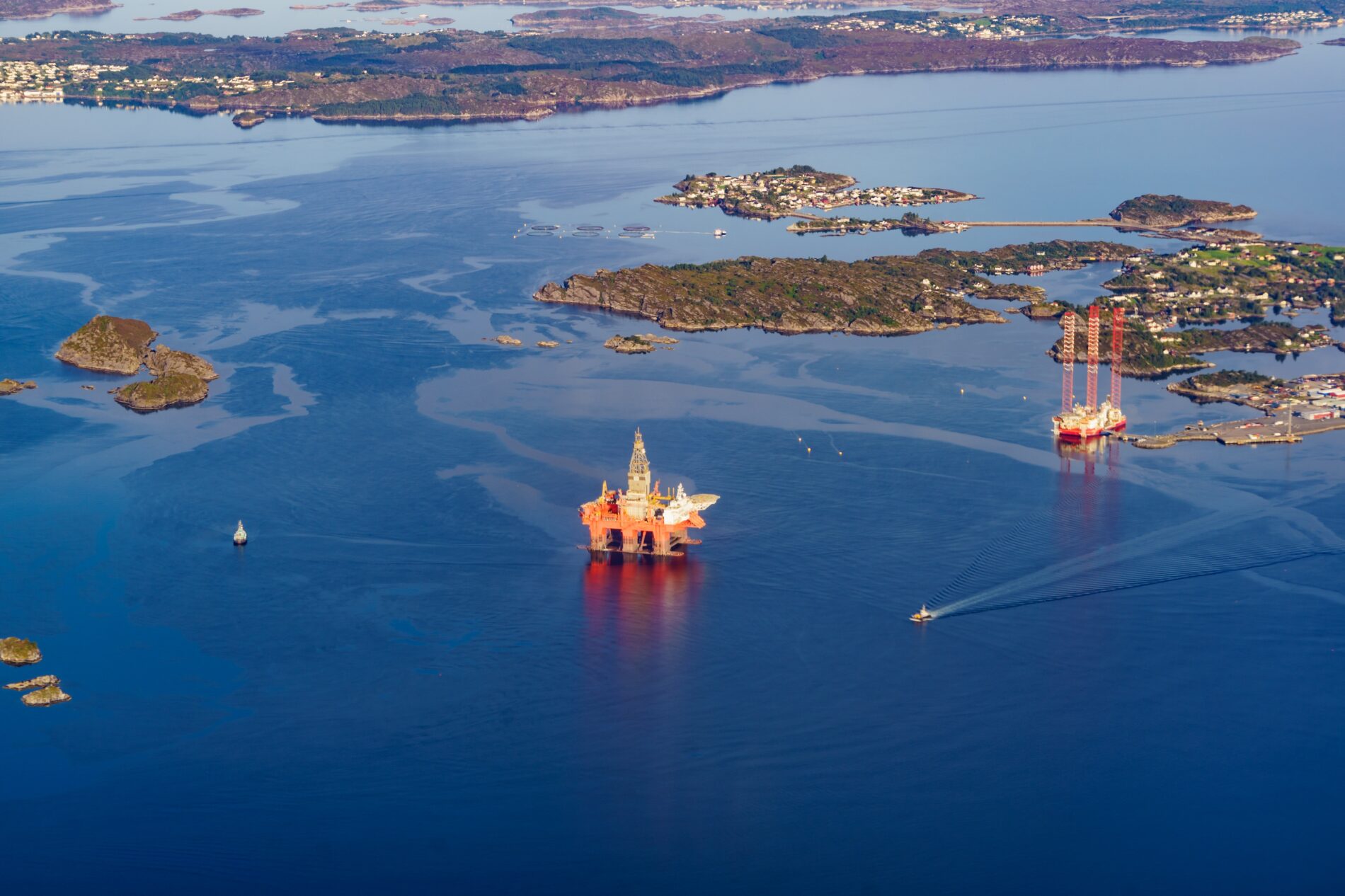
Image: Shutterstock
The industrial action began on June 15. By June 18, the number of striking SAFE members had risen to 378. Starting July 1, an additional 63 employees from Tios Crewing, DeepOcean, DOF Subsea Norway Offshore, and Subsea 7 Norway are set to join the strike.
Oil and gas production loses reserves due to halted drilling
Four mobile drilling rigs are currently idle. Five fixed installations and one intervention vessel have also suspended drilling and well operations. Consequently, new drilling projects, maintenance work, and interventions on existing wells are being delayed.
Oil and gas production could initially drop by around 12,000 barrels of oil equivalent per day. However, after mid-July, there is a risk of a shortfall exceeding 120,000 barrels per day. At that point, the conflict would impact not only service providers but also the production schedules of major operators.
Europe’s gas market is therefore looking to Oslo
Norway has been supplying a particularly large amount of pipeline gas to Europe since Russian volumes collapsed. In May, total oil and gas production reached around 3.82 million barrels of oil equivalent per day. Additionally, the Norwegian Offshore Liquids Directorate reported 1.909 million barrels per day. This role remains important for Germany because pipeline gas from Norway replaces many previous Russian quantities.
The government can end such conflicts through compulsory arbitration. However, Labor Minister Kjersti Stenseng keeps the hurdle high: “The threshold for intervention is high. Forced arbitration is and should remain a last resort.” This means that the dispute remains with the employers and the union for the time being.
Author: Blackout News
Sources: Reuters (27.06.26) – Stavanger Afendblad (27.06.26) – Offshore Norge (22.06.26) – Rigzone (16.06.26) – SAFE (13.06.26)