
Starting in 2026, a new industrial park is being developed in Rommerskirchen next to the Neurath lignite-fired power plant, even though the necessary power supply has not been secured. The municipal council has granted planning permission for the initial site, which is intended to host facilities such as data centers, AI companies, and industrial operations. However, these companies require exceptionally high grid connection capacities, and the regional 110-kilovolt grid has little spare capacity available for this purpose. Consequently, the power connection could be delayed until the 2030s, leaving the announced creation of up to 2,000 jobs and substantial investments uncertain for the time being.
Industrial park planned, but power supply unresolved
The initial development site covers approximately 28 to 30 hectares. However, it is part of a roughly 180-hectare area at the Neurath power plant site. The municipality views the project as a key element of the structural transformation in the Rhenish mining region. It also cites 2027 as the potential start date for initial construction work.
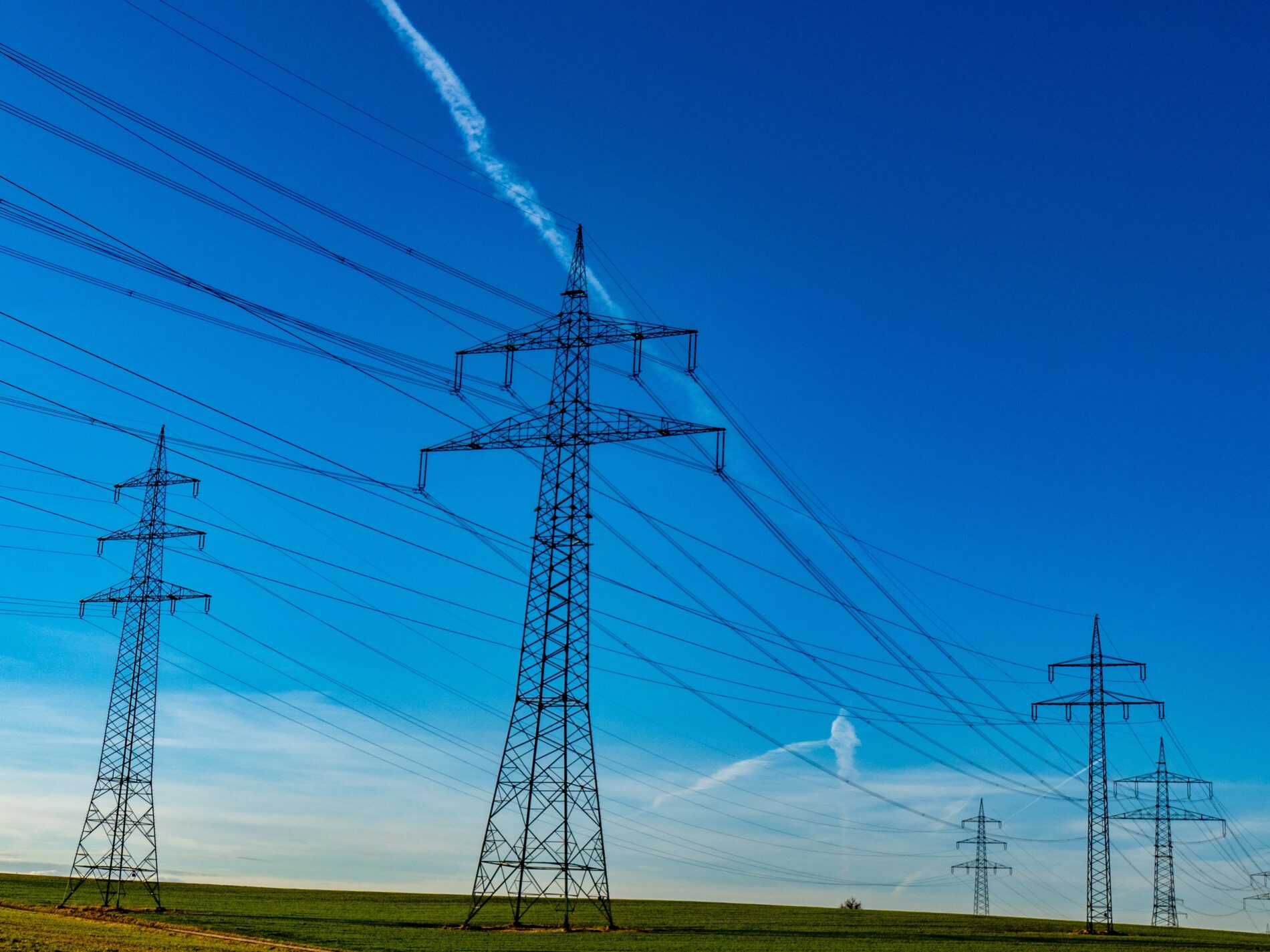
Image: Shutterstock
However, the crucial infrastructure is still missing. A commercial park requires roads, land, and planning permission. A modern industrial site also needs guaranteed power capacity. It appears that precisely this guarantee is lacking. Consequently, the political planning process followed a sequence that is difficult to justify on practical grounds.
Proximity to the power plant creates an illusion of secure supply
The Neurath power plant generates vast amounts of electricity right next to the site. However, the planned industrial park cannot simply tap into this power directly. The power plant feeds its output into a different grid level. New consumers therefore require their own power lines, switchgear, and substations.
Nevertheless, the proximity to the power plant creates the impression of a well-supplied location. From a technical standpoint, however, the site does not automatically enjoy this advantage. The regional grid must be capable of permanently accommodating additional capacity. Furthermore, data centers, storage facilities, industrial plants, and new power generators are all competing for limited grid capacity.
Planning without a grid connection jeopardizes structural transformation
The planned establishment of electricity-intensive industries is a particularly critical issue. Data centers require high power capacity around the clock; robotics, medical technology, and modern manufacturing also demand a stable supply. Consequently, a non-binding expansion plan is insufficient for such investments.
Companies plan facilities over many years and require reliable timelines. However, the industrial park becomes less attractive as long as the grid connection remains unresolved. Investors might favor other locations with a guaranteed energy supply. Furthermore, there is a risk that developed sites will remain unused for the intended industrial purposes.
The problem now extends far beyond Rommerskirchen. According to an AFRY study, around 40,000 energy and storage projects in Germany are awaiting grid connection, representing investments of at least 45 billion euros. However, this figure only partially accounts for industrial developments. Rommerskirchen therefore clearly illustrates the consequences of site planning undertaken without a guaranteed power supply in place.
Author: Blackout News
Sources: Focus (11.06.26) – Germanwatch ( 02.06.26) – Gemeinde Rommerskirchen (19.05.26)